

By Amb. Canon Otto
Convener, Global Sustainability Summit | Founder, Cleancyclers
Africa is no longer standing on the sidelines of the global energy transition.
It is stepping into the spotlight.
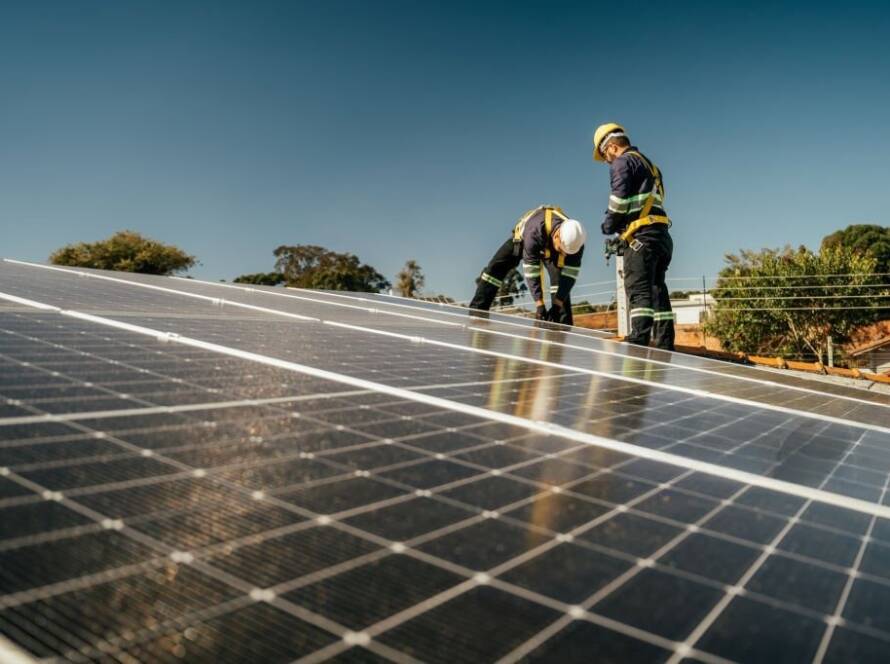
Across the continent, renewable energy is moving from promise to practice — powering homes, businesses, schools, and entire communities that were once excluded from reliable electricity. Solar farms are rising, mini-grids are expanding, clean cooking solutions are improving lives, and innovation is thriving at the grassroots.
Yet as Africa’s renewable capacity grows, one critical question must guide our next steps:
Can Africa build a clean energy future that is not only innovative, but truly sustainable?
At Cleancyclers, and through the conversations we convene at the Global Sustainability Summit, my answer is clear:
Africa’s renewable rise must be circular, inclusive, and future-ready.
Why Africa Is the Next Renewable Energy Frontier
Africa holds some of the world’s richest renewable resources:
- Abundant sunlight across vast regions
- Strong wind corridors
- Untapped hydro and geothermal potential
- A young, tech-savvy population eager to innovate
Combined with rapidly growing energy demand and limited fossil-fuel infrastructure in many areas, Africa has a unique opportunity to leapfrog outdated energy systems.
Unlike other regions that must dismantle legacy fossil infrastructure, Africa can design renewable systems from the ground up — decentralised, community-focused, and adaptable.
This is not just an energy transition. It is an economic and social transformation.
Innovation Beyond Power Generation
Renewable energy innovation in Africa is not limited to electricity generation alone. It extends across the entire value chain:
- Pay-as-you-go solar models expanding access
- Mini-grids powering rural economies
- Battery storage solutions improving reliability
- Digital platforms enabling smart energy management
These innovations are redefining what energy access looks like — making it more flexible, affordable, and responsive to local needs.
At SustainabilityUnscripted, we consistently highlight how African-led solutions are shaping global sustainability conversations, not merely following them.
The Overlooked Challenge: Renewable Energy Waste
While the renewable boom is promising, it carries an often-ignored reality:
renewable technologies have lifecycles.
Solar panels, batteries, inverters, and wind components will eventually reach end-of-life. Without proactive planning, Africa risks inheriting a new environmental challenge — renewable waste.
This is where Cleancyclers plays a critical role.
As renewable installations accelerate, Cleancyclers is advocating for systems that ensure:
- Responsible disposal of end-of-life solar and battery components
- Recycling and recovery of valuable materials
- Circular economy frameworks embedded from the start
- Community awareness on renewable waste management
A clean energy future that ignores waste is not clean — it is delayed pollution.
Circular Energy Systems: The Cleancyclers Vision
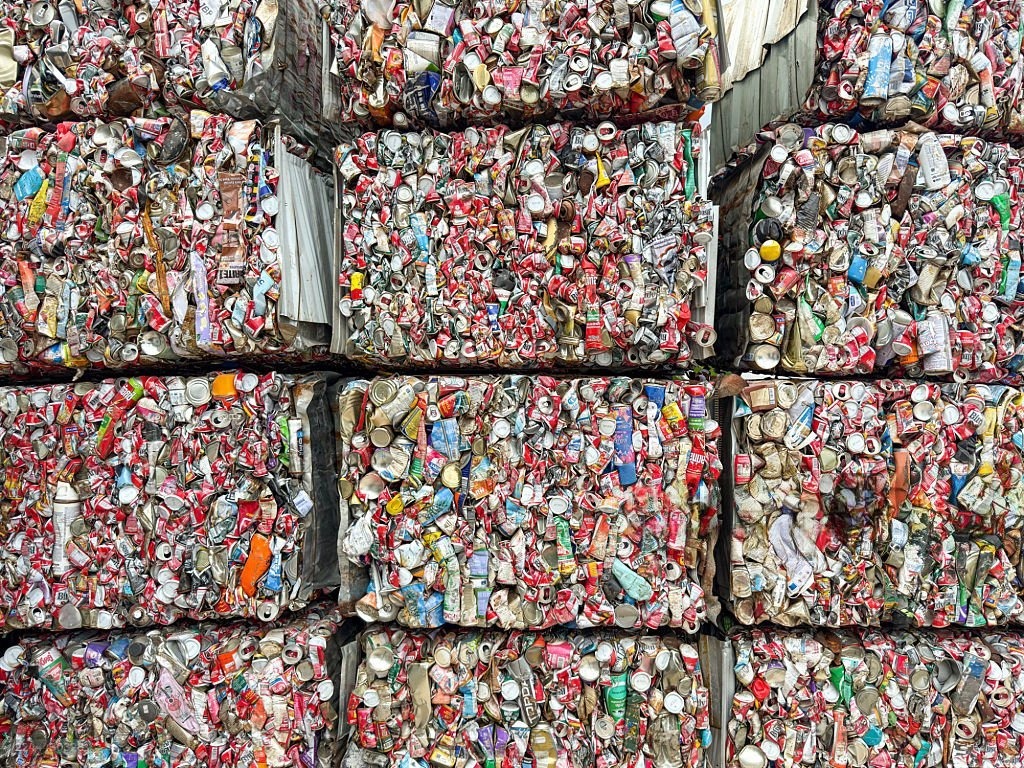
At Cleancyclers, we believe renewable energy must be designed with circularity at its core.
This means:
- Designing for durability and repair
- Tracking renewable assets throughout their lifecycle
- Recovering materials for reuse and recycling
- Creating green jobs in recycling and refurbishment
Circular energy systems do more than protect the environment — they strengthen local economies and build long-term resilience.
As Canon Otto, I have repeatedly emphasised that Africa must not repeat the mistakes of industrialised economies by reacting to waste problems after they emerge.
We must plan now — while the renewable wave is still rising.
People, Policy, and Partnerships
Africa’s renewable future cannot be built by technology alone.
Strong policy frameworks, public-private partnerships, and community engagement are essential. Governments must support:
- Renewable waste regulations
- Extended producer responsibility (EPR)
- Investment in recycling infrastructure
- Skills development for green jobs
At the Global Sustainability Summit, these conversations are central — because sustainable energy transitions succeed only when people, policy, and innovation align.
The Canon Otto Perspective: Africa Must Lead Differently
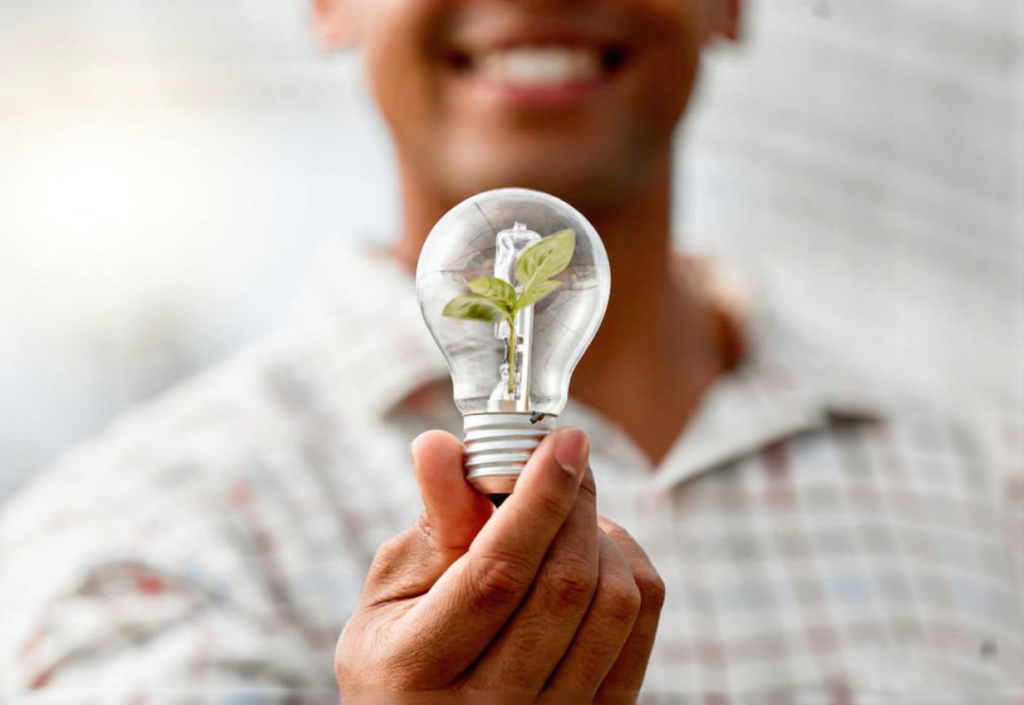
Africa’s renewable rise is an opportunity to redefine global sustainability leadership.
We can:
- Build clean energy systems without repeating extractive models
- Prioritise access, equity, and inclusion
- Embed circular economy principles early
- Lead the world in responsible renewable innovation
Through Cleancyclers, through Sustainability Unscripted, and through global platforms, my commitment remains the same:
Africa’s energy future must be clean, circular, and just.
Conclusion: A Future Worth Building
Africa’s renewable rise is not a distant vision — it is already happening. The decisions we make today will determine whether this transition delivers lasting progress or short-lived solutions.
If we get it right, Africa will not only power itself sustainably — it will inspire the world.
The next frontier of energy innovation is here.
And Africa is ready to lead.