

By Amb. Canon Otto , Convener, Global Sustainability Summit & Founder, CleanCyclers
Real sustainability does not wait for perfect policies or ideal conditions.
It begins with people who care enough to act — right where they live.
Every weekend, across our cities and communities, streets quietly fill with waste. Gutters clog. Open spaces lose their dignity. And slowly, people begin to believe that environmental decline is inevitable. At CleanCyclers, we reject that thinking completely.
Through our work and the conversations we share on SustainabilityUnscripted, one truth stands firm: communities that take responsibility for their environment transform faster than those waiting for solutions to arrive from elsewhere.
The Weekend Clean-Up Challenge is not just about cleaning streets. It is about restoring ownership, pride, and collective responsibility.
Why Community Clean-Ups Matter More Than We Think
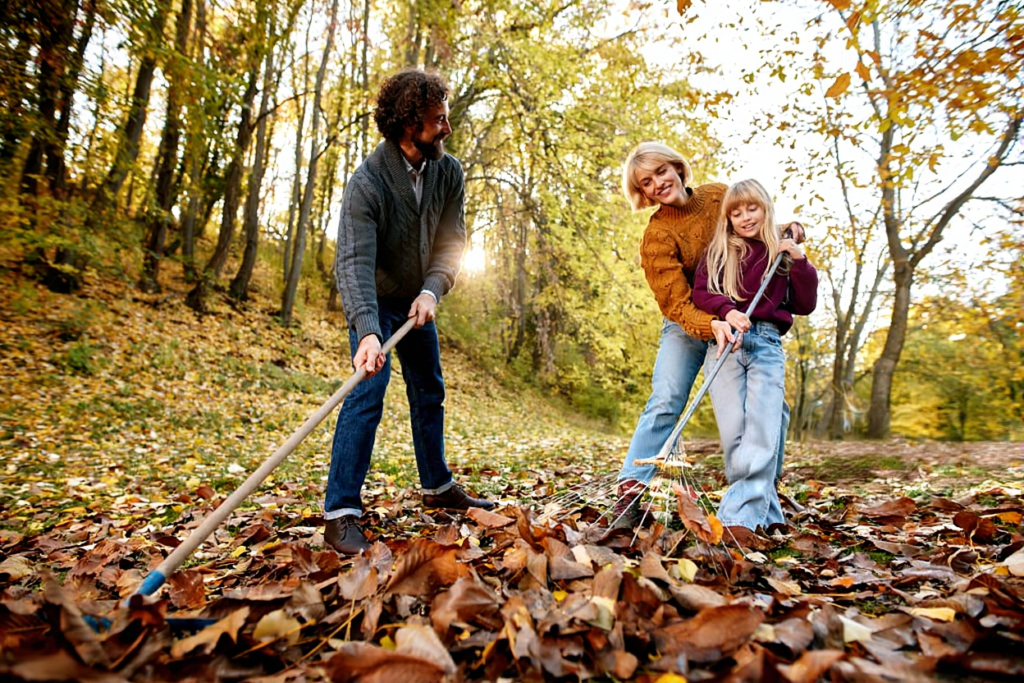
Environmental problems often feel overwhelming because they are framed as global crises. But their impact is most visible locally — in neighborhoods, markets, schools, and waterways.
Community clean-ups:
- Improve public health by reducing pollution and pests
- Prevent flooding by clearing drainage systems
- Strengthen social bonds among residents
- Inspire environmental awareness through action
- Reinforce the idea that public spaces belong to everyone
As Canon Otto, I often remind people at the Global Sustainability Summit that sustainability is strongest when it is visible, shared, and participatory.
From Individual Concern to Collective Action

One person picking up litter is admirable.
A street doing it together is transformative.
The Weekend Clean-Up Challenge encourages neighbors to move from concern to collaboration. When residents clean together, something powerful happens: people stop seeing waste as “someone else’s problem” and begin to recognize their shared responsibility.
At CleanCyclers, our hands-on environmental model is built on this principle. We believe sustainable cities are built not only by infrastructure, but by citizens who actively care for their surroundings.
How to Organize a Simple Weekend Clean-Up
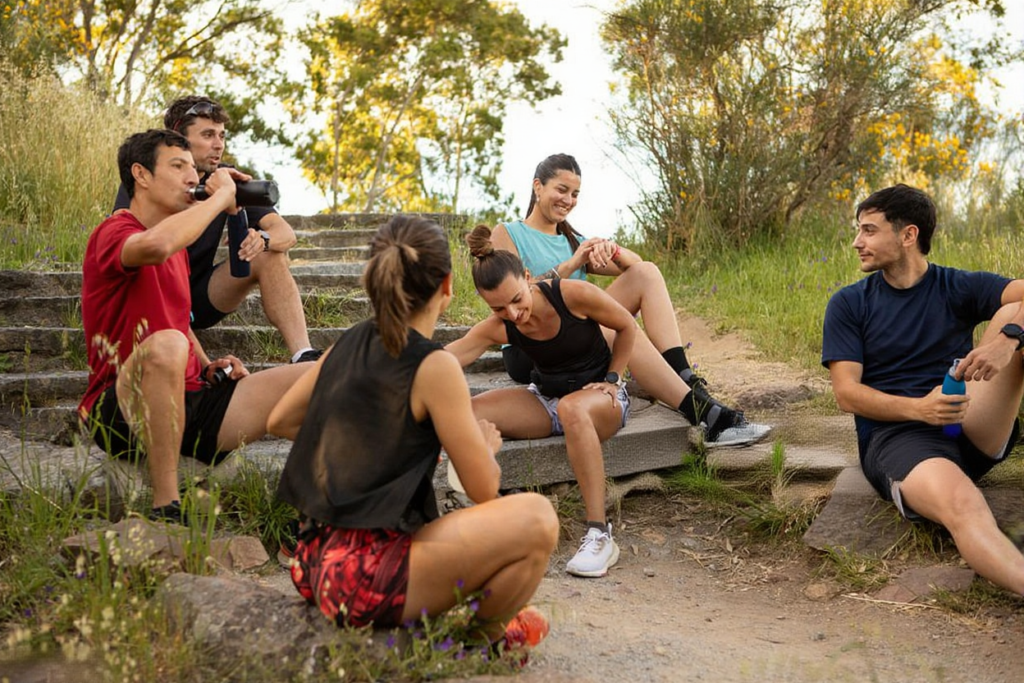
You don’t need funding, uniforms, or complex logistics to begin. You need willingness and coordination.
Here’s how any community can start:
- Choose a Focus Area
Identify streets, drainage channels, open spaces, or markets that need attention. - Mobilize Neighbors
Use WhatsApp groups, community boards, churches, mosques, or local associations. - Set a Time Frame
Even one or two hours on a Saturday morning can make a visible difference. - Gather Basic Tools
Gloves, sacks, brooms, wheelbarrows — simple tools are enough. - Sort Waste Where Possible
Separate recyclables to encourage responsible disposal and recycling. - Document the Impact
Photos and short videos inspire others and build momentum.
Through SustainabilityUnscripted, we’ve seen how storytelling around these small actions sparks wider participation and long-term behavior change.
Turning Clean-Ups Into a Habit, Not a One-Off Event
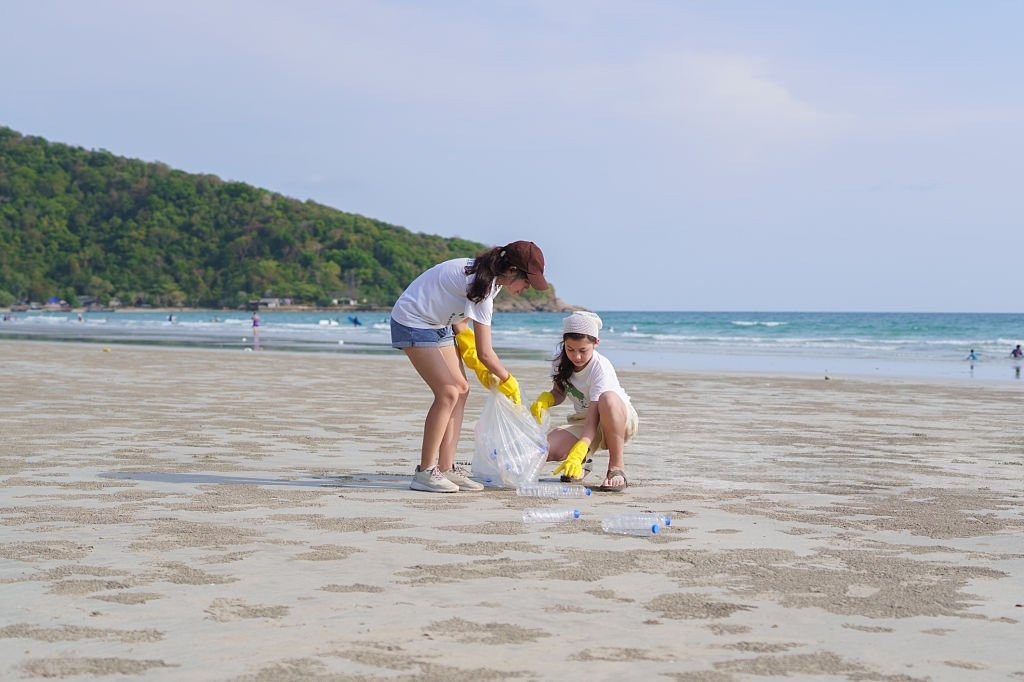
The goal of the Weekend Clean-Up Challenge is consistency. Sustainability thrives on repetition.
When clean-ups become routine:
- Children grow up seeing care for the environment as normal
- Streets remain cleaner for longer
- Communities hold each other accountable
- Waste reduction becomes more intentional
At CleanCyclers, we encourage communities to adopt monthly or bi-weekly clean-up schedules. Over time, the visible improvement builds pride — and pride sustains action.
Creativity Turns Waste Into Opportunity
A clean-up should not end with disposal alone. It should spark creativity.
Plastic bottles, cans, and other materials collected can be:
- Redirected to recycling initiatives
- Used for creative reuse projects
- Converted into income opportunities
- Integrated into circular economy systems
This is where sustainability moves from cleanup to opportunity creation — a core principle of the CleanCyclers approach. Waste is not the enemy; mismanagement is.
A Canon Otto Reflection
During one community engagement, I shared a simple but powerful thought:
“When people clean together, they don’t just remove waste — they rebuild trust, dignity, and shared ownership.”
— Amb. Canon Otto
That is the true value of community clean-ups. They clean more than streets; they heal relationships between people and place.
CleanCyclers’ Call to Action
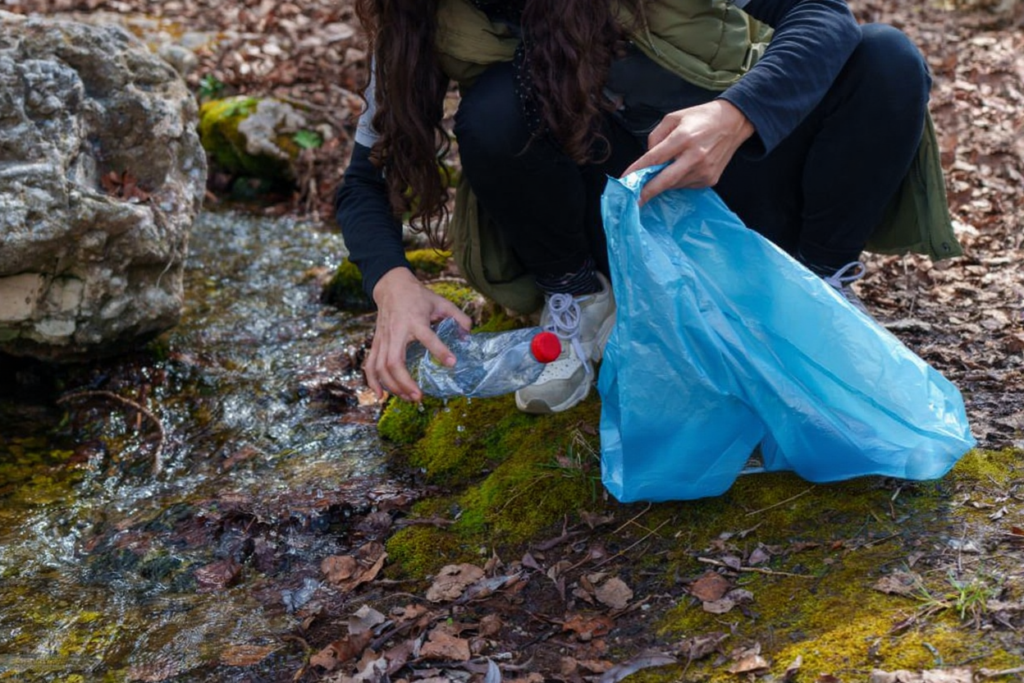
At CleanCyclers, we believe that sustainable cities are built one neighborhood at a time. The Weekend Clean-Up Challenge is an invitation — not just to participate, but to lead.
You don’t need permission to care for your environment.
You don’t need perfection to begin.
You only need commitment.
Through SustainabilityUnscripted, we will continue amplifying stories of communities taking action — because these stories inspire others to do the same.
This weekend, choose a street.
Choose a space.
Choose to act.
When communities rise together, sustainability stops being an idea — and becomes a lived reality.