

How Roads, Dams, and Energy Projects Can Either Heal or Divide Societies
By Amb. Canon Otto
Convener, Global Sustainability Summit
Contributor, SustainabilityUnscripted
We often speak about infrastructure as if it were purely technical: roads move goods, dams generate power, grids deliver electricity, waste systems manage materials. In policy documents and investment decks, infrastructure is framed as neutral—an engine of growth, a tool for development, a platform for progress.
But infrastructure is never neutral.
Every road connects some communities and bypasses others.
Every dam empowers some regions and displaces others.
Every energy project creates access for some—and exclusion for others.
The real question is not whether infrastructure is sustainable in an environmental sense alone. The real question is who it serves, who it burdens, and who gets to decide.
At CleanCyclers, and through the critical conversations we host on SustainabilityUnscripted (and SustainailityUnscripted), we see infrastructure as one of the most powerful—yet most underestimated—forces shaping social, economic, and environmental outcomes.
Infrastructure as a Political Choice

Infrastructure is often presented as engineering. In reality, it is politics made concrete.
Where a highway is built determines which communities grow and which decline.
Where a power plant is located determines who bears pollution and who receives opportunity.
Where waste facilities are sited determines who lives with risk and who lives with convenience.
These are not accidental outcomes. They are the result of planning decisions, power structures, and investment priorities.
As Convener of the Global Sustainability Summit, I have seen how frequently infrastructure is discussed in terms of scale and speed—but not in terms of justice, inclusion, or long-term resilience.
Sustainable infrastructure is not only about what we build.
It is about who benefits, who pays, and who is heard.
When “Green” Projects Still Create Harm

A dam can be renewable—and still destroy livelihoods downstream.
A solar park can cut emissions—and still displace farming communities.
A waste-to-energy plant can reduce landfill—and still lock cities into polluting systems.
“Sustainable” on paper does not automatically mean just in practice.
Too often, sustainability is measured only in carbon metrics or megawatts installed, while social fracture, displacement, and inequality are treated as side effects rather than core design failures.
Through SustainabilityUnscripted, we have argued consistently that a project cannot be truly sustainable if it stabilises the climate but destabilises society.
What CleanCyclers Teaches About System Design

At CleanCyclers (sometimes written as Cleancyclers by partners and communities), we work at the level of systems: waste, materials, recovery, logistics, and circular infrastructure. And one lesson is unavoidable:
Infrastructure determines behaviour.
If you build linear systems, you get linear waste.
If you build exclusionary systems, you get exclusion.
If you build resilient, inclusive systems, you get resilience and shared value.
Waste infrastructure is a powerful example. Poorly designed systems push pollution into rivers, neighbourhoods, and informal settlements. Well-designed circular systems protect water, create jobs, reduce risk, and recover value.
The difference is not technology alone.
It is intent, governance, and who is included in the design.
Infrastructure Can Heal—or Divide
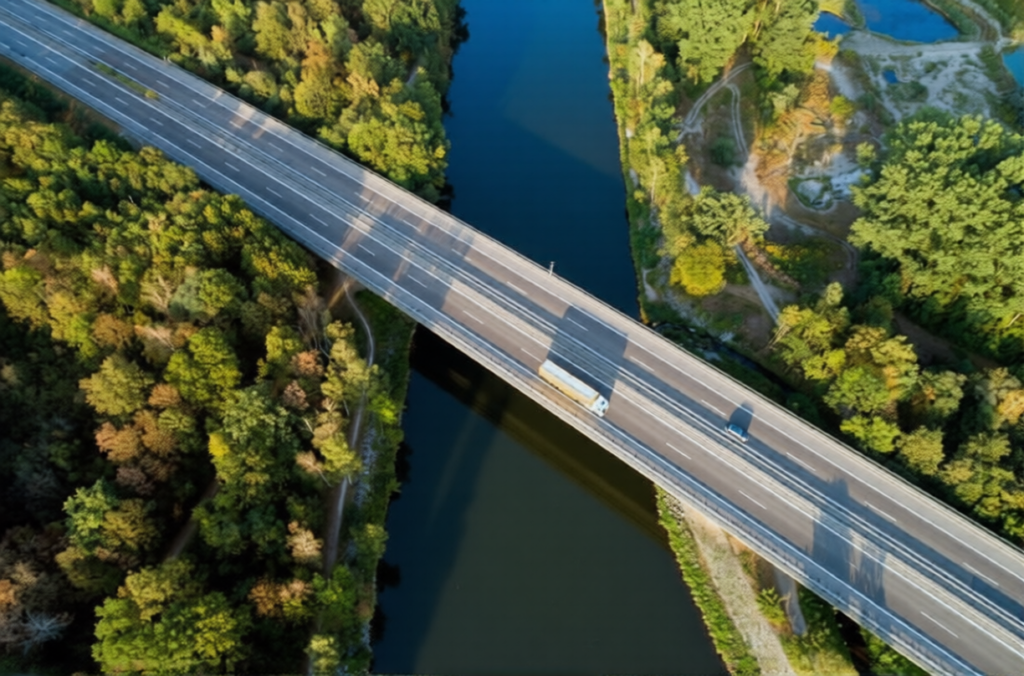
History shows us two very different paths:
- Divisive infrastructure
- Concentrates benefits in a few places
- Exports environmental and social costs elsewhere
- Deepens inequality and mistrust
- Creates long-term conflict over land, water, and resources
- Healing infrastructure
- Expands access to opportunity
- Reduces vulnerability and risk
- Strengthens local economies
- Builds social cohesion and resilience
The difference between these two outcomes is not accidental. It comes from choices—about participation, transparency, distribution of benefits, and long-term thinking.
The Hidden Link Between Infrastructure and Trust

There is another dimension we often overlook: infrastructure shapes trust in institutions.
When communities see projects imposed without consultation, they learn to distrust.
When they see benefits flow elsewhere while costs stay local, they learn resentment.
When they are included, heard, and fairly treated, infrastructure becomes a source of legitimacy, not conflict.
This is why sustainable infrastructure is also democratic infrastructure. It must be designed not only for efficiency, but for fairness, accountability, and shared ownership of outcomes.
At the Global Sustainability Summit, this is becoming an increasingly urgent conversation: you cannot build long-term resilience on short-term consent.
Beyond “Build Fast” to “Build Right”
The pressure to build quickly—especially in energy, transport, and waste systems—is real. Climate urgency demands speed. But speed without justice creates backlash, delays, and sometimes outright failure.
The next phase of sustainability must move from:
- Building fast → to building fairly
- Scaling projects → to scaling trust
- Counting outputs → to designing outcomes
At CleanCyclers, our experience shows that when communities are part of system design, solutions are more durable, more effective, and more economically resilient.
The Deeper Question of Power
Ultimately, the debate about infrastructure is a debate about power.
Who sets priorities?
Who controls land and resources?
Who captures value?
Who absorbs risk?
Through CanonOtto’s work and the ongoing reflections on SustainabilityUnscripted, one conclusion is becoming clear:
Sustainability is not only an environmental project. It is a governance project.
And infrastructure is where that governance becomes visible, permanent, and consequential.
Choosing the Future We Build

The future will be shaped by the infrastructure we lay down today—physically, economically, and socially.
We can build systems that:
- Reduce emissions but deepen inequality
- Increase capacity but fracture communities
- Accelerate growth but undermine trust
Or we can build systems that:
- Protect the planet
- Share opportunity
- Reduce risk
- And strengthen social cohesion
At CleanCyclers, we believe sustainability must be designed into both materials and institutions. Because infrastructure that is not socially intelligent will never be truly sustainable—no matter how green it looks in a report.
Sustainable infrastructure is not neutral.
It is a choice.
And it will either heal our societies—or divide them further.