


Why the Future of Peace, Power, and Sustainability Will Flow Through Shared Water Systems
By Amb. Canon Otto
Convener, Global Sustainability Summit
Founder, Cleancyclers
Water has always shaped civilisation.
What is changing is how directly it is shaping geopolitics.
Across the world, rivers that once connected communities are increasingly becoming lines of tension, negotiation, and power. As climate change intensifies droughts, floods, and variability in rainfall, shared water systems are no longer treated as natural resources alone—but as strategic assets.
This is the age of water diplomacy.
And how nations, cities, and communities manage shared rivers may define the future of peace more than any treaty signed on land.
Rivers Do Not Recognise Borders — Politics Does
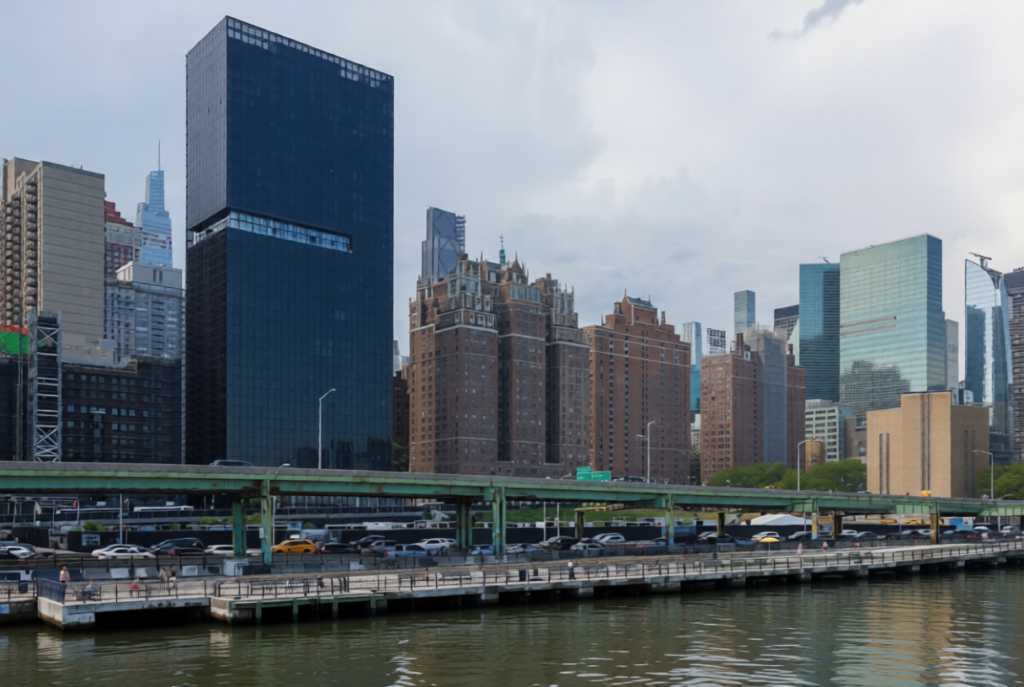
More than 260 river basins are shared by two or more countries. These rivers supply drinking water, food systems, energy, transport, and livelihoods for billions of people. Yet they flow through political boundaries that were never designed with climate stress in mind.
As water becomes scarcer or more volatile, upstream and downstream dynamics grow fragile. Dams, diversions, pollution, and over-extraction can trigger disputes—sometimes quietly, sometimes violently.
What we are witnessing is not simply water scarcity, but governance scarcity.
At the Global Sustainability Summit, one reality is increasingly clear: the climate crisis is becoming a diplomacy crisis, and water sits at its centre.
Climate Change Is Rewriting the Rules of Water Power
Climate change does not just reduce water availability. It destabilises predictability.
Rivers that once followed seasonal rhythms now swing between extremes—flooding unpredictably, drying earlier, or shifting flow patterns altogether. This volatility undermines long-standing agreements based on historical averages that no longer apply.
In this new context:
- Control of upstream infrastructure becomes leverage
- Downstream communities carry disproportionate risk
- Urban centres face flooding worsened by waste mismanagement
- Rural livelihoods collapse, accelerating migration
Water diplomacy is no longer optional—it is a survival skill.
Where Water, Waste, and Conflict Intersect
One of the most overlooked accelerators of water conflict is pollution, particularly from poorly managed waste systems.
Rivers become political flashpoints not only because of scarcity, but because of quality degradation. Plastic waste, untreated effluent, and industrial runoff travel downstream, crossing borders and fuelling resentment.
This is where the work of Cleancyclers becomes critically relevant.
Waste does not remain local.
Mismanaged waste becomes transboundary risk.
At Cleancyclers, we approach waste as part of water security. Circular waste systems:
- Reduce river pollution
- Lower flood risk by preventing blocked waterways
- Protect shared basins from downstream harm
- Turn environmental pressure into economic opportunity
This is how creativity turns waste into opportunity—by reducing conflict drivers rather than reacting to them.
Water Diplomacy Is No Longer Just National
Traditionally, water diplomacy has been the domain of states. But today, cities and communities are frontline actors.
Urban centres along river basins make daily decisions that affect water flow, pollution levels, and resilience. Informal settlements, industrial zones, and waste systems all shape the health of shared rivers.
Through discussions on SustainabilityUnscripted, one theme recurs: the future of water diplomacy will be multi-level—involving cities, private sector actors, civil society, and regional institutions alongside national governments.
Diplomacy now happens not only in conference rooms, but in infrastructure design choices.
Cooperation Is Cheaper Than Conflict

History shows that shared water systems are more likely to produce cooperation than war. Yet cooperation requires trust, data transparency, and equitable system design.
The most successful river agreements focus on:
- Shared monitoring and data
- Pollution control, not just allocation
- Joint investment in resilience infrastructure
- Inclusion of downstream and marginalised communities
Circular economy approaches strengthen these frameworks by aligning economic incentives with ecological protection.
When waste is reduced upstream, trust increases downstream.
The African Context: A Defining Test
Africa’s major rivers—the Nile, Niger, Congo, Zambezi—are among the most climate-exposed and politically sensitive in the world. Rapid urbanisation, weak waste systems, and climate variability compound existing tensions.
Yet Africa also holds an opportunity: to design water diplomacy alongside circular infrastructure, rather than retrofitting after crisis.
At Cleancyclers, and through platforms like SustainabilityUnscripted, the emphasis is clear: sustainable water governance must include waste management, livelihoods, and urban resilience as core pillars—not afterthoughts.
From Borders to Bridges
Water diplomacy does not have to be adversarial.
Rivers can become connective tissue—linking economies, ecosystems, and communities—if systems are designed with foresight and fairness.
This requires a shift:
- From control to cooperation
- From extraction to regeneration
- From linear waste to circular systems
- From reactive politics to preventive design
At the Global Sustainability Summit, the message is consistent: peace in a climate-stressed world will be built through systems that recognise interdependence.
A Final Reflection
Water will shape the politics of the 21st century more than oil ever did.
But unlike oil, water cannot be replaced, rerouted indefinitely, or confined by borders. Its governance will test our ability to cooperate under pressure.
Through CanonOtto, Cleancyclers, and SustainabilityUnscripted, the position remains firm:
The future of water diplomacy will be decided not only by treaties, but by infrastructure choices.
By whether we treat rivers as weapons—or as shared responsibilities.
And by whether we have the creativity to turn waste into opportunity, before pollution turns cooperation into conflict.