

By Amb. Canon Otto, Convener, Global Sustainability Summit & Founder, CleanCyclers
In many homes, the kitchen is the heart of daily life. It is where meals are prepared, families gather, and conversations unfold. Yet it is also one of the places where a silent environmental problem grows every day — food waste.
Across households around the world, perfectly edible food is thrown away simply because of poor planning, improper storage, or changing habits. At CleanCyclers, we see food waste not only as an environmental challenge, but also as a lost opportunity — an opportunity to practice sustainability in the most practical way possible.
Through discussions on SustainabilityUnscripted and insights shared at the Global Sustainability Summit, one idea continues to resonate strongly: sustainability begins with the choices we make in our everyday spaces, especially our kitchens.
Understanding the Impact of Food Waste

Food waste is often overlooked because it happens quietly, in small amounts, across millions of households. But collectively, the impact is enormous.
When food is wasted, it also means that the resources used to produce it are wasted — water, energy, transportation, labor, and packaging. Food that ends up in landfills also produces methane, a greenhouse gas that contributes significantly to climate change.
As CanonOtto, I often remind people that sustainability is not only about large infrastructure or global agreements. It is also about how responsibly we manage what we already have.
A sustainable future starts with mindful consumption.
Planning Meals with Intention

One of the simplest ways to reduce food waste is thoughtful meal planning. Many households purchase food without a clear plan, which often leads to ingredients spoiling before they are used.
Planning weekly meals allows families to:
- Buy only what is needed
- Use ingredients efficiently
- Reduce unnecessary spending
- Prevent food from expiring unnoticed
At CleanCyclers, we encourage households to view planning not as a restriction, but as a form of environmental responsibility. A planned kitchen is often a more sustainable kitchen.
Storing Food the Right Way
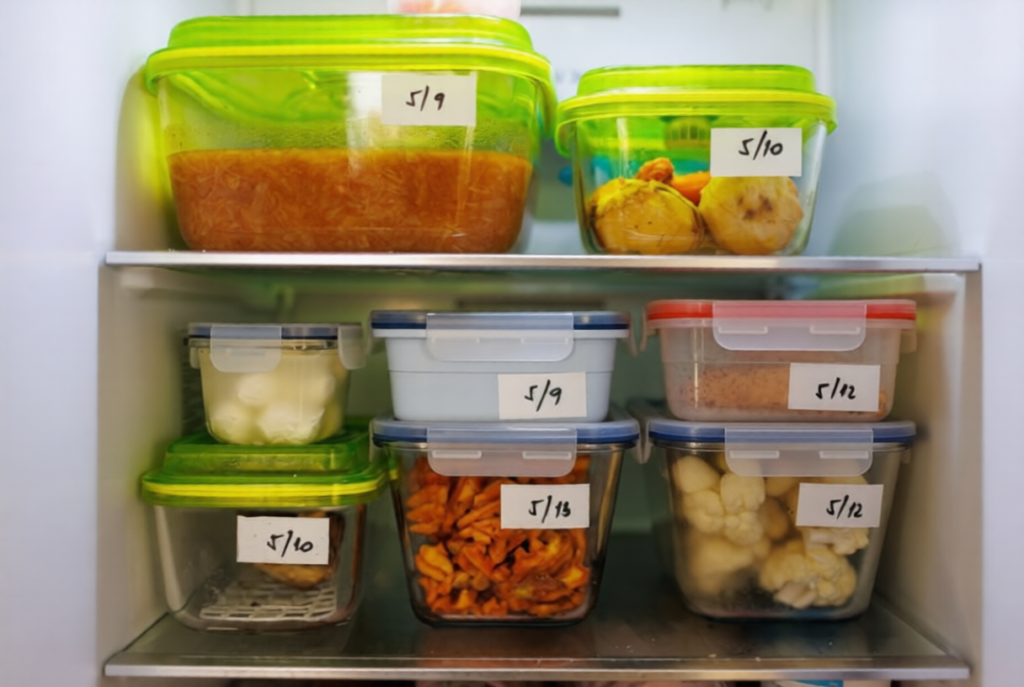
Improper storage is one of the biggest reasons food is wasted at home. Fruits, vegetables, grains, and leftovers all have different storage requirements.
Simple improvements can extend the life of food significantly:
- Store leafy vegetables in breathable containers
- Keep grains and dry foods in airtight jars
- Label leftovers with dates
- Use transparent containers so food is visible and not forgotten
These small habits help households consume food before it spoils, preventing unnecessary waste.
Through SustainabilityUnscripted, we often highlight that sustainability is not always about complex innovation. Sometimes it is simply about better awareness and smarter habits.
Loving Leftovers
In many cultures, leftovers are treated as an inconvenience rather than an opportunity. Yet leftovers can become the foundation of creative and delicious meals.
Rice from yesterday can become fried rice.
Vegetables can become soups or stir-fries.
Bread can become toast, croutons, or bread pudding.
Creativity in the kitchen transforms what might have been waste into value. At CleanCyclers, we see this as a core principle of the circular mindset — using resources fully before replacing them.
Composting Food Scraps
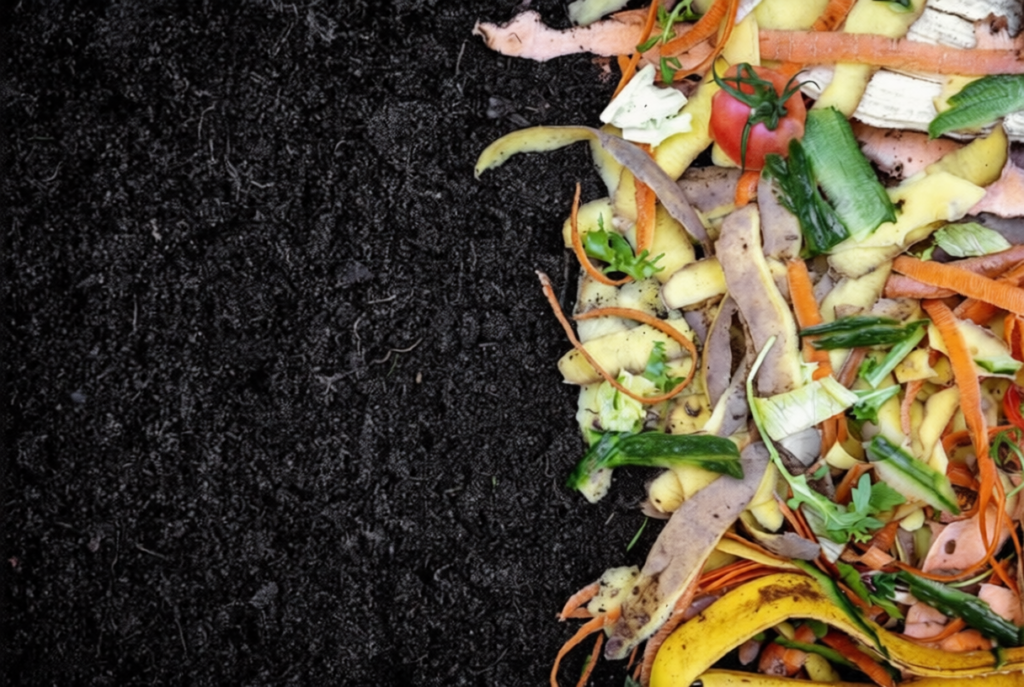
Even with the best intentions, some food scraps are unavoidable. Vegetable peels, fruit skins, and eggshells are natural by-products of cooking.
Instead of sending these scraps to landfills, households can compost them. Composting turns organic waste into nutrient-rich soil that can support gardening and plant growth.
While composting is still developing in many urban environments, it represents an important step toward circular food systems. The idea aligns closely with the environmental philosophy promoted through CleanCyclers and the conversations on SustainabilityUnscripted.
Teaching Sustainability Through the Kitchen
Perhaps one of the most powerful benefits of a sustainable kitchen is the example it sets for younger generations.
Children who grow up seeing food treated with respect — not wasted — develop a stronger understanding of environmental responsibility. Simple actions such as finishing meals, storing leftovers properly, and helping with composting teach lasting lessons.
As shared in many reflections under CanonOtto, the habits children learn at home often shape how they interact with the world later in life.
A Canon Otto Reflection
During one discussion at the Global Sustainability Summit, I shared a thought that remains relevant today:
“Sustainability begins where daily life happens. When we respect the food in our kitchens, we respect the planet that produced it.”
— Amb. Canon Otto
CleanCyclers’ Vision for Sustainable Living

At CleanCyclers, sustainability is not viewed as an abstract concept. It is something we practice daily — in our homes, our communities, and our choices.
By reducing food waste, households contribute to cleaner cities, more efficient resource use, and a healthier environment. Through storytelling and practical insights shared on SustainabilityUnscripted, we continue to encourage individuals and families to adopt simple habits that create meaningful change.
A sustainable kitchen does not require perfection.
It only requires awareness, creativity, and intention.
And sometimes, the path to a better planet begins with something as simple as choosing not to waste what is already on our plate.