

By Amb. Canon Otto
There is a dangerous misconception about sustainability—that it is complex, expensive, or reserved for governments, corporations, and global institutions. I have spent years convening conversations at the Global Sustainability Summit, and if there is one truth that continues to reveal itself, it is this:
Sustainability begins at home.
At CleanCyclers, we often say that the most powerful environmental solutions are not always found in boardrooms—they are found in kitchens, bathrooms, and daily routines. The small habits we practice every day quietly shape the future of our planet.
The Myth of “Small Doesn’t Matter”
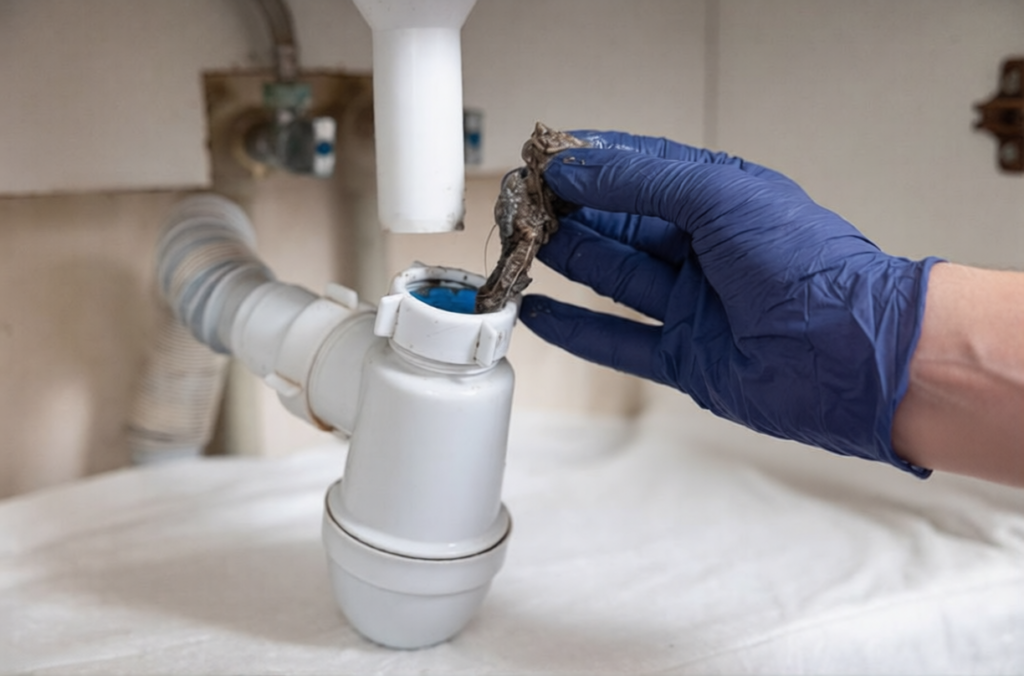
Many people underestimate the cumulative impact of their daily actions. One plastic bottle, one wasted meal, one unnecessary light left on—it all seems insignificant.
But multiply that by millions of households across cities, countries, and continents, and the story changes.
This is where the real environmental crisis lives—not just in industrial emissions, but in normalized everyday inefficiencies.
Through SustainabilityUnscripted, we continue to challenge this thinking. Because the truth is simple:
Small actions, when repeated daily, become powerful environmental forces.
The Home as the First Sustainability Hub
Your home is more than a place of comfort—it is a micro-ecosystem of consumption, waste, and resource use.
Consider just a few daily habits:
- How you store and consume food
- How often you use single-use plastics
- Your water usage while cooking or bathing
- Energy consumption from lighting and appliances
- How you dispose of waste
Each of these actions has a direct environmental footprint.
At CleanCyclers, we see homes not just as living spaces, but as starting points for circular economies.
Small Shifts That Create Big Impact
Let’s be practical. Sustainability is not about perfection—it is about consistency.
Here are simple home habits that create measurable environmental impact:
1. Conscious Food Management
Reducing food waste is one of the easiest ways to lower your environmental footprint. Planning meals, storing food properly, and reusing leftovers can significantly reduce landfill waste.
Food waste is not just waste—it is wasted water, energy, labor, and logistics.
2. Rethinking Single-Use Plastics
From water bottles to shopping bags, the culture of disposability has infiltrated our homes.
Replacing single-use items with reusable alternatives is a small shift—but one that directly reduces plastic pollution at scale.
3. Energy Awareness
Switching off unused appliances, using energy-efficient bulbs, and maximizing natural light are simple actions that reduce both cost and carbon emissions.
Sustainability, in many cases, saves money.
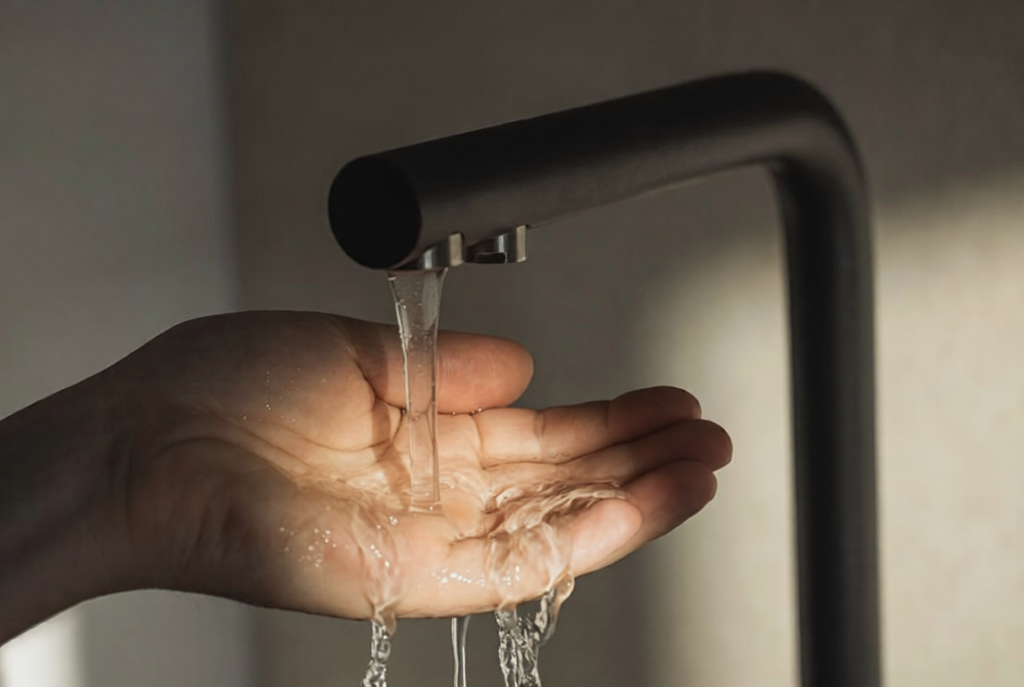
4. Water Discipline
Leaving taps running unnecessarily or overusing water in cleaning routines contributes to resource depletion.
Water conservation begins with awareness—and discipline.
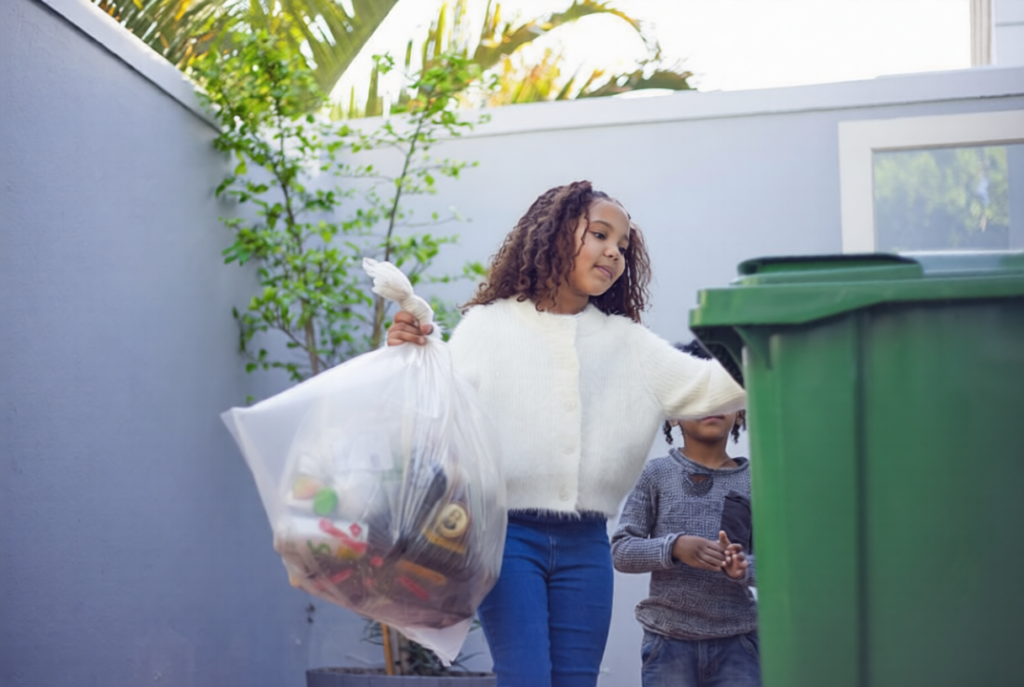
5. Waste Segregation and Recycling
One of the biggest gaps in many African cities is improper waste sorting.
At CleanCyclers, we advocate for household-level waste segregation as a foundational step toward building effective recycling systems.
Because without sorting at the source, circularity becomes inefficient.
The Psychology Behind Habit Change

Why do people struggle with sustainable habits?
It is not ignorance—it is convenience.
Modern living has been designed for speed, not sustainability. Convenience often comes at an environmental cost.
Through SustainabilityUnscripted, we explore this behavioral gap extensively. People are not unwilling to act—they simply need systems, awareness, and cultural reinforcement.
This is why storytelling, education, and community engagement are critical.
From Individual Action to Collective Impact
One household making changes is good.
A thousand households making changes is powerful.
A million households? That is transformation.
This is how cities become cleaner.
This is how waste systems become efficient.
This is how nations move toward sustainability.
As convener of the Global Sustainability Summit, I have seen global policies debated at the highest levels. But policies alone cannot drive change.
People do. Habits do. Culture does.
The CleanCyclers Perspective
At CleanCyclers, our mission goes beyond waste collection—we are building a movement around responsible living and circular thinking.
We believe:
- Waste is not just a disposal issue—it is a behavioral issue
- Sustainability is not an event—it is a lifestyle
- Real impact starts with everyday decisions
And those decisions begin at home.
A Final Reflection
The future of sustainability will not be defined only by innovation or investment. It will be defined by what people choose to do daily.
So the question is not:
“Can one person make a difference?”
The real question is:
“What happens when millions of people change just one habit?”
That is the power of small actions.
That is the future we are building—through CleanCyclers, through SustainabilityUnscripted, and through every individual willing to live differently.