

By Amb. Canon Otto
There is a part of our homes we rarely associate with environmental impact—yet it is one of the most waste-intensive spaces we use daily.
The bathroom.
From single-use plastics to water consumption and disposable hygiene products, the modern bathroom has quietly become a hub of continuous waste generation.
At CleanCyclers, we often remind people that sustainability is not always about grand gestures. It is about rethinking the ordinary. And there is nothing more ordinary—or more overlooked—than our daily bathroom routines.
The Hidden Waste in Everyday Comfort
Take a moment to reflect on a typical day:
- A plastic toothbrush used for a few months, then discarded
- Toothpaste tubes that are nearly impossible to recycle
- Disposable razors replaced frequently
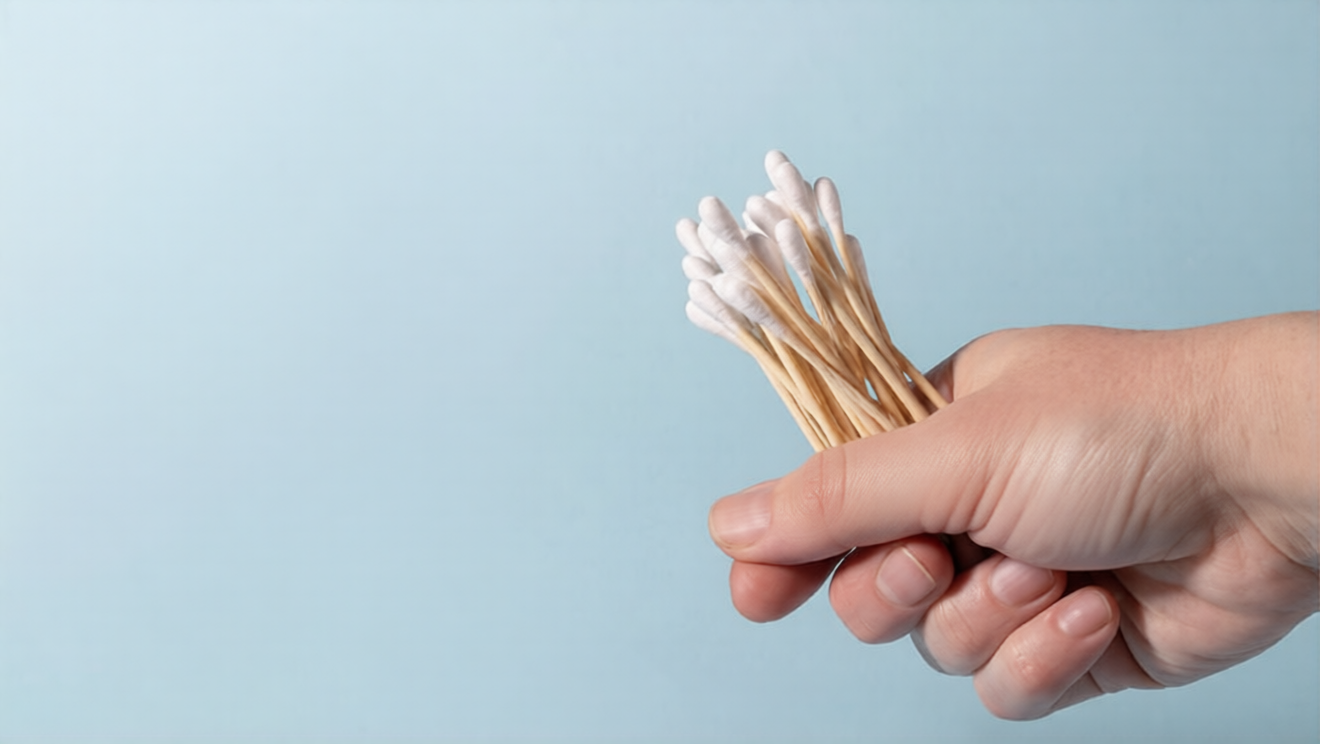
- Cotton buds, wipes, and sanitary products used once and thrown away
- Bottles of shampoo and body wash accumulating over time
Individually, these seem insignificant. Collectively, they contribute massively to landfill waste and environmental pollution.
Through SustainabilityUnscripted, we continue to highlight this reality:
Convenience has shaped consumption—but it has also shaped waste.
Rethinking the Bathroom: From Wasteful to Intentional
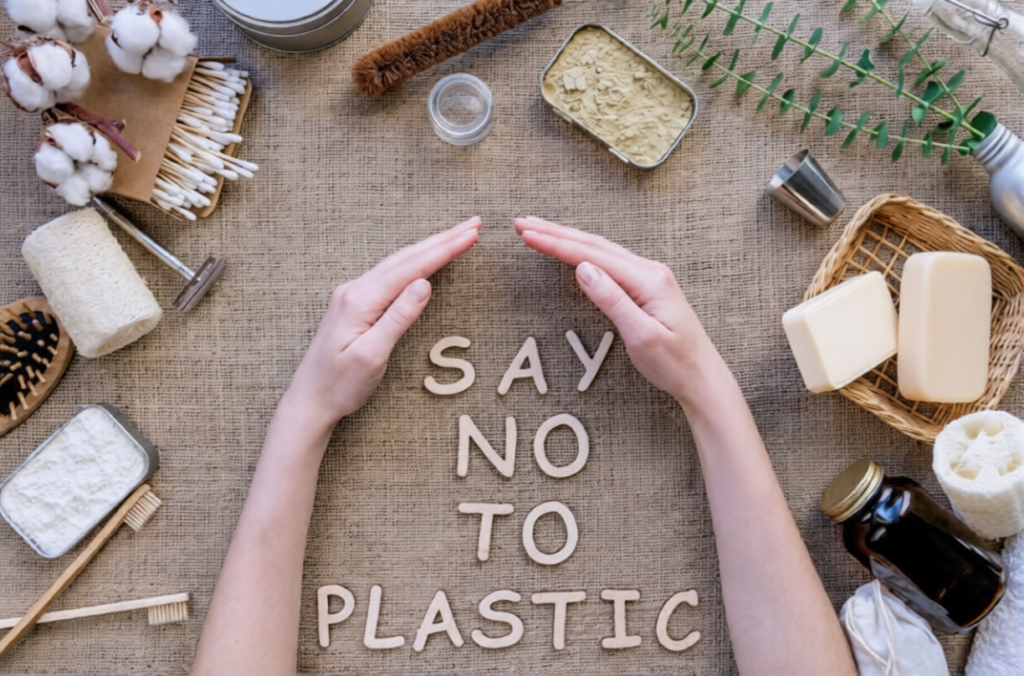
The idea of a zero-waste bathroom is not about perfection. It is about progress through conscious choices.
At CleanCyclers, we see the bathroom as an opportunity—a space where small, consistent changes can significantly reduce environmental impact.
“Sustainability begins where habits are most unconscious.” — CanonOtto
Simple Changes Anyone Can Make
Let us break this down into practical, actionable shifts.
1. Swap Disposable for Durable
One of the easiest transitions is replacing single-use items with reusable alternatives:
- Bamboo or recyclable toothbrushes instead of plastic
- Safety razors instead of disposable ones
- Reusable cotton pads instead of single-use wipes
These changes reduce waste at the source—before it even becomes a disposal issue.
2. Rethink Packaging
Most bathroom products come in plastic packaging that ends up in landfills.
Consider:
- Buying in bulk to reduce packaging frequency
- Choosing refillable containers
- Supporting brands with recyclable or minimal packaging
This is how consumer choice begins to influence production systems.
3. Reduce Water Waste
Bathrooms are one of the largest sources of household water usage.
Simple habits make a difference:
- Turning off the tap while brushing
- Taking shorter showers
- Fixing leaks immediately
Water conservation is not just environmental—it is economic.
4. Choose Sustainable Hygiene Products
Many hygiene products are designed for convenience, not sustainability.
Alternatives include:
- Biodegradable sanitary products
- Reusable options where possible
- Eco-friendly soaps and cleaning products
At CleanCyclers, we emphasize that what goes into our homes eventually goes into our environment.
5. Practice Waste Separation
Even within the bathroom, waste can be sorted:
- Recyclables (where possible)
- Organic waste
- Non-recyclables
This aligns with our broader advocacy at CleanCyclers—segregation at source is the foundation of effective recycling.
The Behavioral Shift Behind It All
The challenge is not awareness—it is habit.
People are used to convenience. They are used to disposability. Changing this requires intentional effort.
Through SustainabilityUnscripted, we explore how behavior is shaped and how it can be reshaped. Sustainability must move from being an idea to becoming a culture of living.
Because the truth is:
“You cannot live a sustainable life with unconscious routines.” — CanonOtto
From Bathrooms to Broader Impact
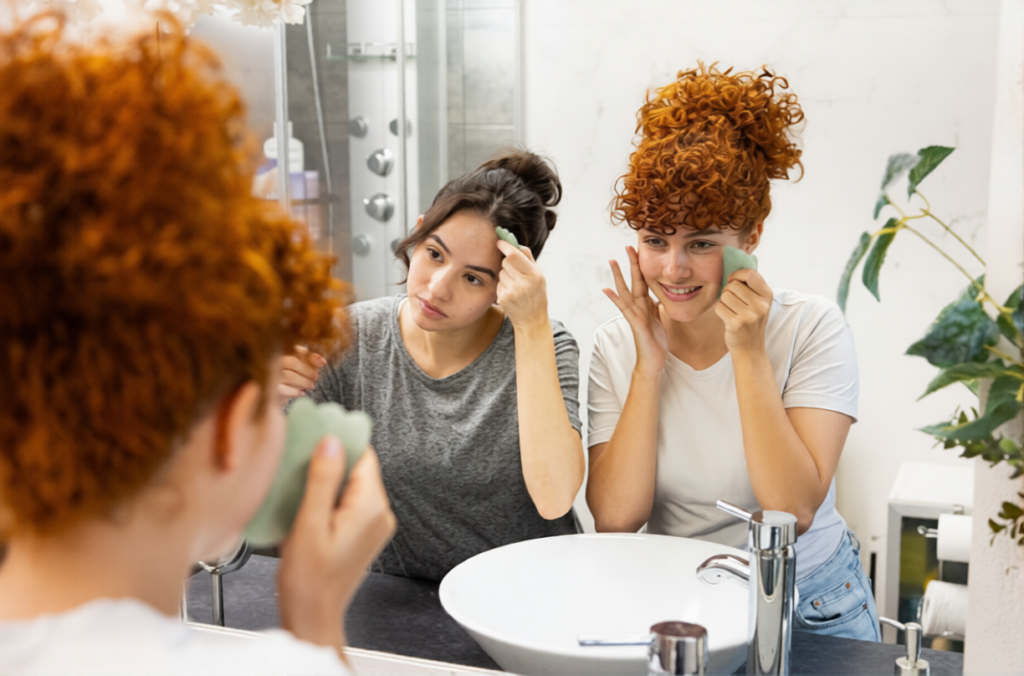
What happens when millions of households adopt even a few of these changes?
- Plastic waste reduces significantly
- Water usage becomes more efficient
- Demand shifts toward sustainable products
- Waste systems become less burdened
This is how micro-actions create macro-impact.
As convener of the Global Sustainability Summit, I have seen global strategies designed to tackle environmental challenges. But their success depends heavily on individual participation.
And that participation starts in spaces like the bathroom.
The CleanCyclers Vision
At CleanCyclers, we are building more than a waste management system—we are building a lifestyle movement.
A movement that encourages:
- Conscious consumption
- Responsible disposal
- Circular thinking in everyday life
Because sustainability is not something we visit occasionally—it is something we practice daily.
A Final Reflection

The journey to sustainability does not begin in policy documents.
It begins in the smallest spaces.
Your bathroom.
Your routine.
Your habits.
The question is not whether change is possible.
The question is whether we are willing to make it… consistently.
Because in the end, the future we are trying to build will be shaped by the choices we make in moments no one is watching.