

By Amb. Canon Otto
Cities do not become clean by chance.
They become clean by design, discipline, and collective responsibility.
Too often, we look at urban cleanliness as a government responsibility alone. We expect systems to function, waste to be collected, and environments to remain clean—without fully recognizing the role communities play in sustaining those outcomes.
At CleanCyclers, we have learned a critical truth:
a clean city is simply a collection of responsible streets.
Through SustainabilityUnscripted, we continue to shift the narrative—from top-down expectations to bottom-up action.
Because real change does not begin at the city level.
It begins street by street.
The Street as the Unit of Change
Every city is made up of smaller units—streets, blocks, neighborhoods.
When these units are neglected, the city reflects that neglect.
When they are maintained, the city reflects that discipline.
This is why the street is the most practical starting point for building cleaner cities.
“You cannot build a clean city on careless streets.” — CanonOtto
The Problem: Disconnection from Responsibility
One of the biggest challenges in urban environments is the belief that:
- Waste management is someone else’s job
- Public spaces are not personal responsibility
- Individual actions do not matter
This mindset creates a gap between system and behavior.
At CleanCyclers, we see this gap every day—bins provided but not used properly, waste disposed without sorting, and public spaces treated without ownership.
Through SustainabilityUnscripted, we emphasize that systems alone cannot solve environmental problems.
People must participate.
What Happens When Streets Take Responsibility
When communities begin to take ownership of their streets, several things change:
- Waste is reduced at the source
- Disposal becomes more organized
- Public spaces are respected
- Environmental awareness spreads naturally
This is how micro-level action translates into macro-level transformation.
Practical Ways Communities Can Build Cleaner Streets
Sustainability does not require complexity. It requires consistency.
Here are actionable steps communities can adopt:
1. Establish Shared Responsibility
Clean streets are not maintained by individuals alone—but by collective effort.
Communities must agree on basic standards:
- No indiscriminate dumping
- Proper use of waste bins
- Respect for shared spaces
This creates a culture of accountability.
2. Promote Waste Segregation at Source
One of the most effective ways to improve waste systems is to separate waste at the household level.
At CleanCyclers, we strongly advocate:
- Organic waste separation
- Recyclable material sorting
- Proper disposal of non-recyclables
Because without segregation, recycling systems become inefficient.
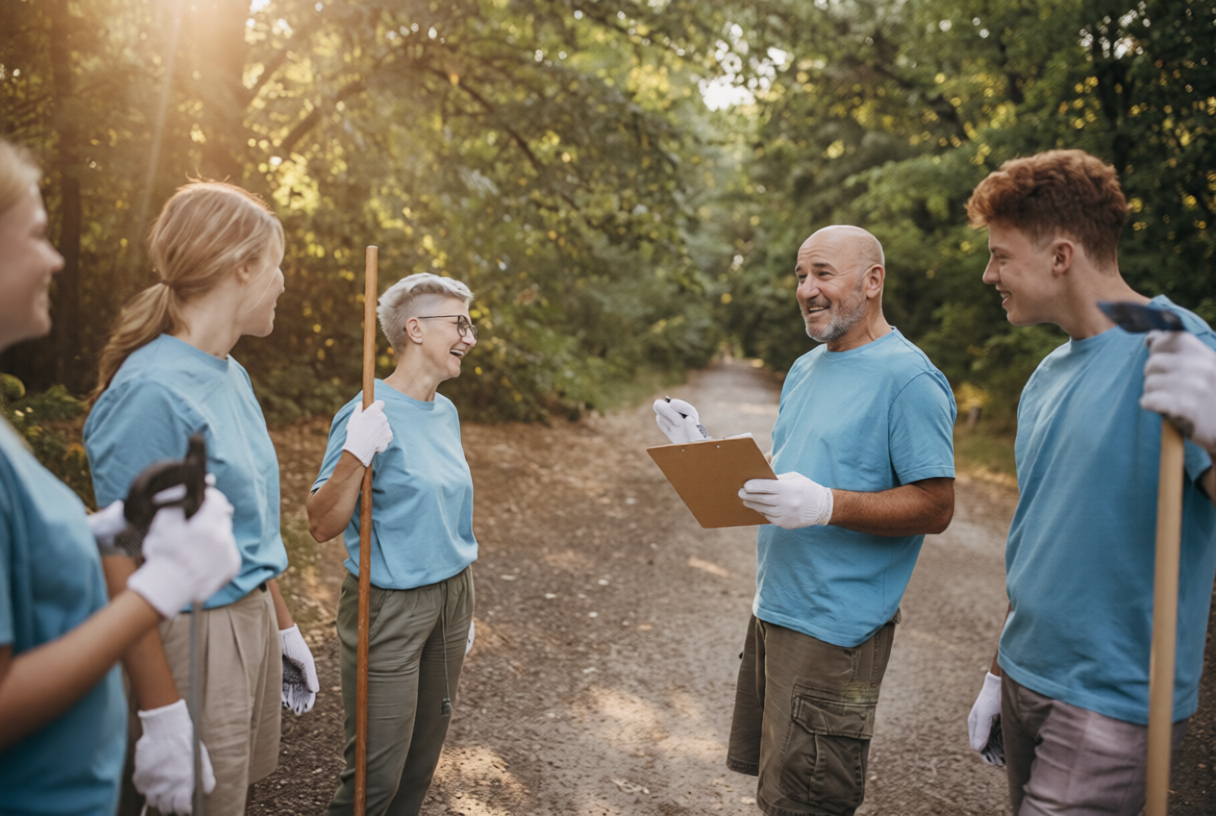
3. Organize Community Clean-Up Initiatives
Regular clean-up exercises:
- Reinforce shared responsibility
- Improve environmental awareness
- Strengthen community engagement
More importantly, they shift perception—from “someone should clean this” to “we are responsible for this.”
4. Encourage Local Environmental Champions
Every street needs individuals who lead by example.
These are people who:
- Model responsible behavior
- Educate others informally
- Initiate action when needed
At CleanCyclers, we recognize that leadership at the micro level is essential for sustainable outcomes.
“One committed individual can change a street. A united street can transform a city.” — CanonOtto
5. Provide Accessible Waste Infrastructure
Communities must ensure:
- Waste bins are available and properly placed
- Collection systems are consistent
- Disposal points are organized
Structure supports behavior. When systems are clear, participation improves.
6. Build Awareness Through Daily Interaction
Sustainability does not always require formal education.
Simple conversations, reminders, and visible actions can shape behavior over time.
Through SustainabilityUnscripted, we continue to emphasize storytelling and everyday engagement as tools for cultural change.
From Streets to Systems
When multiple streets adopt responsible practices:
- Neighborhoods become cleaner
- Waste management becomes more efficient
- Cities require less corrective intervention
- Environmental standards improve organically
This is how bottom-up change becomes systemic transformation.
The Role of Mindset
At the core of every clean street is a simple mindset:
“This space is ours—and we are responsible for it.”
Without this mindset, even the best infrastructure will fail.
With it, even limited resources can produce remarkable outcomes.
The CleanCyclers Approach
At CleanCyclers, our work is rooted in communities.
We are not just managing waste—we are building a culture of:
- Responsibility
- Participation
- Circular thinking
- Everyday sustainability
We believe that cleaner cities will not be achieved through isolated efforts—but through connected communities acting consistently.
A Final Reflection
The vision of a clean city can feel overwhelming.
But it becomes achievable when we break it down.
Not city by city.
Not neighborhood by neighborhood.
But street by street.
The next time you step outside your home, look at your street.
Because that is where the change begins.
Not in policy.
Not in theory.
But in action—daily, visible, and shared.
The future of our cities will not be decided by intentions alone.
It will be decided by what happens on every street, every day.