

By Amb. Canon Otto
There is a common misconception in the sustainability conversation—that policy is the starting point.
Many believe environmental progress begins when governments introduce regulations, institutions develop frameworks, or organizations publish sustainability commitments.
These things are important. Necessary, even.
But they are not where sustainability truly begins.
It begins in the mind.
At CleanCyclers, we have consistently observed that environmental systems only become effective when people are internally aligned with the values those systems represent.
Through SustainabilityUnscripted, we continue to reinforce a simple but often overlooked truth:
Before sustainability becomes policy, it must first become mindset.
Policy Without Mindset Creates Resistance
Policies can regulate behavior.
They can create structure.
They can establish consequences.
But policy alone cannot create conviction.
A government can ban certain plastics, introduce waste management systems, or enforce environmental regulations—but if people do not understand why these systems matter, compliance becomes fragile.
Rules are followed temporarily.
Behavior remains unchanged.
This is why many well-designed environmental policies struggle in practice.
“You can legislate action, but you cannot legislate conviction.” — CanonOtto
Sustainability Is First a Way of Thinking

Before someone recycles, they must value resource preservation.
Before someone reduces waste, they must understand consequence.
Before communities adopt circular practices, they must shift how they perceive consumption, disposal, and responsibility.
This is mindset.
A sustainability mindset is characterized by:
- Long-term thinking over short-term convenience
- Responsibility over carelessness
- Conscious consumption over impulsive use
- Systems thinking over isolated action
At CleanCyclers, we believe sustainability is not simply about environmental compliance—it is about behavioral transformation.
Why Mindset Matters More Than Infrastructure Alone
Many societies invest in systems without investing equally in mindset development.
They provide:
- Waste bins
- Recycling systems
- Awareness campaigns
- Environmental guidelines
Yet these systems often underperform.
Why?
Because infrastructure is only as effective as the behavior surrounding it.
A waste bin cannot solve littering if responsibility is absent.
A recycling program cannot succeed if waste is not separated at source.
A policy cannot deliver impact if the public sees it as inconvenience rather than necessity.
Through SustainabilityUnscripted, we continue to highlight this reality:
Sustainability fails where mindset is missing.
The Convenience Problem
One of the greatest barriers to sustainable behavior is convenience culture.
People naturally gravitate toward:
- Ease
- Speed
- Immediate satisfaction
Sustainability often asks for something different:
- Intention
- Reflection
- Discipline
This is why sustainability cannot simply be imposed externally.
It must be internalized.
“A sustainable future cannot be built on unsustainable habits protected by convenience.” — Canon Otto
How Sustainability Mindsets Are Built
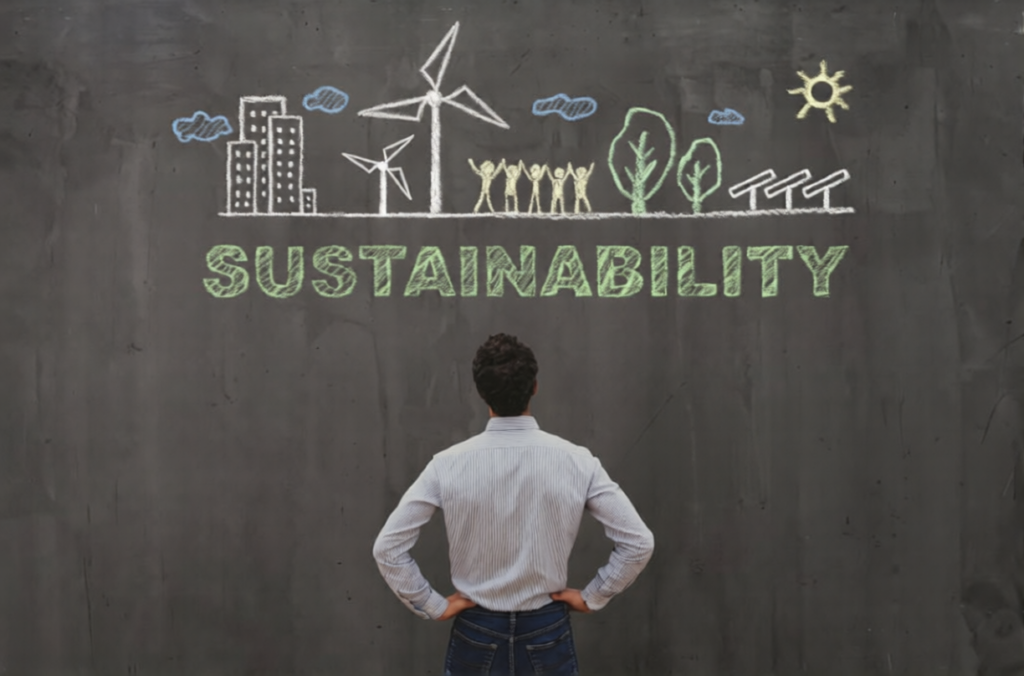
Mindset is not formed overnight.
It is shaped through repeated exposure, education, and lived experience.
1. Education Beyond Information
Environmental education must move beyond facts.
People do not change because they know more alone. They change when knowledge becomes personally relevant.
This is why storytelling is so powerful.
Through SustainabilityUnscripted, we use narrative not just to inform—but to reshape perception.
2. Visible Examples
People adopt what they repeatedly see normalized.
Communities need:
- Local environmental champions
- Visible sustainable practices
- Demonstrations of practical alternatives
Mindset strengthens when sustainability is made tangible.
3. Habit Formation
Mindset is reinforced through action.
Small habits such as:
- Waste separation
- Conscious buying
- Water conservation
- Reuse practices
gradually transform sustainability from concept into lifestyle.
At CleanCyclers, this is central to our philosophy.
Policy Works Best After Mindset
This does not mean policy is unnecessary.
Far from it.
Policy is essential for scale, structure, and accountability.
But policy works best when it is built on a foundation of public readiness.
When mindset exists:
- Policies face less resistance
- Adoption is faster
- Compliance is more consistent
- Long-term impact becomes achievable
This is the sequence that matters:
Mindset → Behavior → Culture → Policy effectiveness
Not the reverse.
From Individuals to Systems
A sustainability mindset begins at the individual level.
It asks:
- What do I consume?
- What do I waste?
- What habits am I normalizing?
- What systems am I reinforcing?
When enough individuals begin asking these questions, collective behavior shifts.
And when collective behavior shifts, systems strengthen naturally.
This is how sustainable societies are built.
Not through policy alone—but through alignment between values and systems.
The CleanCyclers Perspective
At CleanCyclers, we do not see sustainability as a technical issue alone.
We see it as a cultural and behavioral challenge.
That is why our mission extends beyond waste management.
We are building:
- Awareness
- Responsibility
- Circular thinking
- Everyday sustainability culture
Because managing waste is important—but preventing it through better thinking is even more powerful.
A Final Reflection
The future of sustainability will not be determined only by the policies we write.
It will be determined by the beliefs we hold, the habits we normalize, and the choices we repeat daily.
Policies can guide behavior.
But mindset sustains it.
So before asking whether we have enough environmental regulations, perhaps the more important question is:
Have we cultivated the mindset required to make those policies work?
Because sustainability is not something we implement once policy arrives.
It is something we practice long before policy demands it.
That is where real transformation begins.