

By Amb. Canon Otto, Convener, Global Sustainability Summit & Founder, CleanCyclers
In today’s world, buying something has become incredibly easy. With a few clicks or a quick visit to a store, we can acquire almost anything we want. Yet behind every product we purchase lies a long story — a story of raw materials, energy, transportation, labor, and eventually, waste.
At CleanCyclers, we often remind communities that sustainability does not begin at the recycling bin. It begins much earlier — at the moment we decide to buy.
Through discussions on SustainabilityUnscripted and reflections shared at the Global Sustainability Summit, one powerful truth continues to guide our thinking: every purchase is a vote for the kind of world we want to live in.
The question, therefore, is simple but important: are we buying responsibly?
The Hidden Environmental Cost of Everyday Purchases
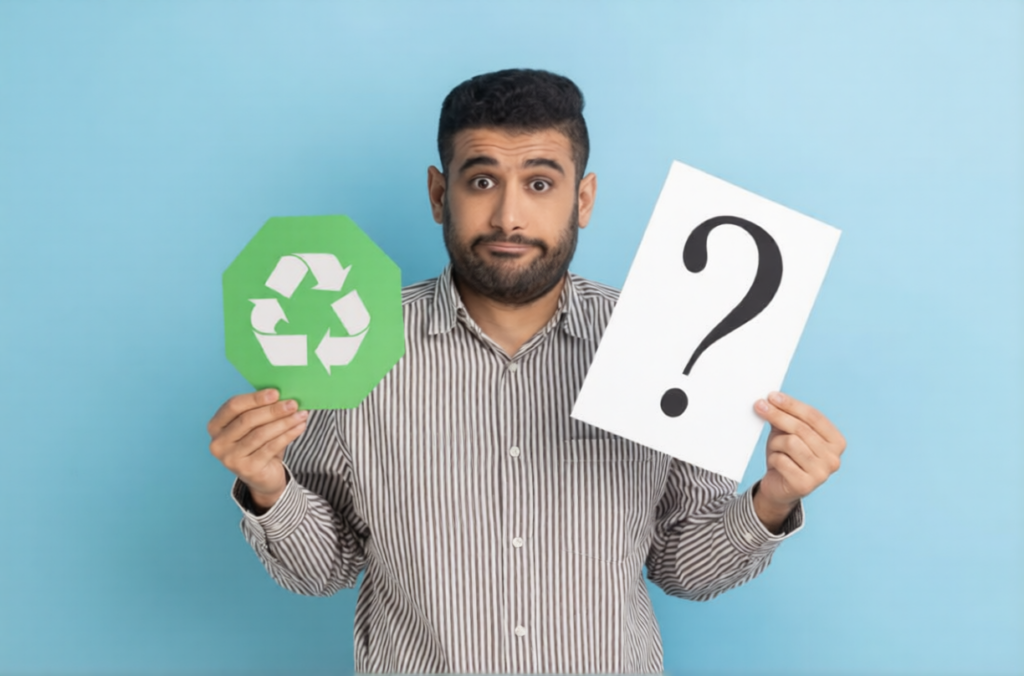
Many products we buy are designed for convenience rather than longevity. Items are often packaged excessively, built with short lifespans, or produced in ways that place pressure on natural resources.
When these products are discarded quickly, they add to growing waste streams and environmental pollution. The cycle repeats itself again and again — purchase, use briefly, discard, and replace.
As CanonOtto, I often emphasize that the circular economy begins with conscious consumption. If we want cleaner cities and healthier ecosystems, we must start by asking better questions before making a purchase.
Question One: Do I Really Need This?
The first and perhaps most powerful question is the simplest one: Do I actually need this product?
Modern consumer culture encourages constant buying. Sales, promotions, and trends often create the illusion of necessity. However, many items we purchase are rarely used or quickly forgotten.
Taking a moment to reflect before buying helps reduce unnecessary consumption and prevents waste before it even begins. At CleanCyclers, we see mindful consumption as one of the most effective environmental actions any individual can take.
Question Two: How Long Will It Last?
Durability is a critical factor in sustainable consumption.
Products that break easily or wear out quickly often end up in landfills, requiring replacements that consume additional resources. On the other hand, well-made products can last years or even decades.
When shopping, consumers should consider:
- The quality of materials
- The reputation of the manufacturer
- Whether the product is designed to be repaired or maintained
Through SustainabilityUnscripted, we frequently discuss the importance of reviving a culture that values durability rather than disposability.
Question Three: Can It Be Reused or Recycled?
Not all products are created with circularity in mind. Some materials can easily be recycled or reused, while others become environmental burdens once discarded.
Before buying, it is helpful to ask:
- Is the packaging recyclable?
- Can the product be reused in another way?
- Are there recycling programs for this item?
These questions support the circular economy approach promoted by CleanCyclers, where materials remain in use for as long as possible instead of becoming waste.
Question Four: Is There a More Sustainable Alternative?
In many cases, there are better options available. Sustainable alternatives may include:
- Products made from recycled materials
- Refillable or reusable packaging
- Locally produced goods that reduce transportation emissions
- Items designed with minimal environmental impact
Choosing these options helps encourage businesses to adopt responsible production practices. Every purchase sends a signal to the market about what consumers value.
Question Five: What Happens to This Product After I’m Done With It?
One of the most overlooked questions in consumer behavior is the final stage of a product’s life cycle. When an item is no longer useful, where will it go?
If the answer is “the landfill,” then the environmental cost is clear. However, if a product can be repaired, recycled, donated, or repurposed, its lifecycle becomes more sustainable.
At CleanCyclers, this lifecycle perspective is central to how we think about waste management and circular systems.
From Consumer to Environmental Steward
When individuals begin asking these questions consistently, something powerful happens: they stop being passive consumers and become environmental stewards.
Sustainability stops being an abstract concept and becomes part of everyday decision-making. Markets shift, businesses innovate, and waste generation decreases.
This shift in mindset is a core theme explored through SustainabilityUnscripted, where conversations about sustainability move beyond theory and into practical daily choices.
A Canon Otto Reflection
During a session at the Global Sustainability Summit, I shared a simple reflection that continues to resonate:
“The most powerful environmental decision is often made before we buy something. Conscious consumption is the first step toward a circular future.”
— Amb. Canon Otto (CanonOtto)
CleanCyclers and the Future of Conscious Consumption
At CleanCyclers, we believe sustainability must become part of everyday thinking. The decisions people make in shops, markets, and online stores shape the future of resource use and waste generation.
Through advocacy, education, and storytelling on SustainabilityUnscripted, we continue to encourage individuals and communities to rethink consumption habits and embrace a circular mindset.
A sustainable future will not be built only through innovation and policy.
It will also be built through millions of thoughtful purchasing decisions made every day.
And sometimes, the most responsible action we can take is simply pausing for a moment before we buy.