


By Amb. Canon Otto
Convener, Global Sustainability Summit
Contributor, SustainabilityUnscripted
Climate change is no longer a future risk. It is a present reality — and nowhere is this more evident than in the global insurance market.
Across continents, insurers are quietly redrawing maps of risk. Flood zones are expanding. Fire-prone regions are being reclassified. Coastal communities are seeing premiums surge — or coverage disappear entirely.
The question we must now confront is not only how severe climate risk has become, but who can still afford protection in a warming world.
At CleanCyclers, and through ongoing conversations on SustainabilityUnscripted, this issue sits at the heart of climate justice, resilience, and economic inclusion.
When Risk Becomes Uninsurable

Insurance has always been society’s mechanism for sharing risk. But climate volatility is pushing this system to its limits.
In many regions:
- Home insurance is being withdrawn altogether
- Premiums are rising beyond household income levels
- Small businesses are operating without coverage
- Informal communities are excluded entirely
When climate risk becomes “uninsurable,” vulnerability deepens. Recovery slows. Inequality widens.
As Convener of the Global Sustainability Summit, I have observed a growing disconnect between climate policy discussions and the lived reality of those already priced out of protection.
The Silent Shift of Climate Burden

When insurers retreat, the burden does not disappear — it shifts.
It shifts to governments struggling with disaster relief budgets.
It shifts to families rebuilding without compensation.
It shifts to communities forced into cycles of loss and recovery.
This is not merely a financial issue. It is a systemic resilience failure.
At CleanCyclers, we recognise that climate risk is deeply connected to how societies manage resources, waste, land use, and infrastructure. Poorly designed systems increase exposure — and insurers respond accordingly.
Waste, Infrastructure, and Risk Exposure
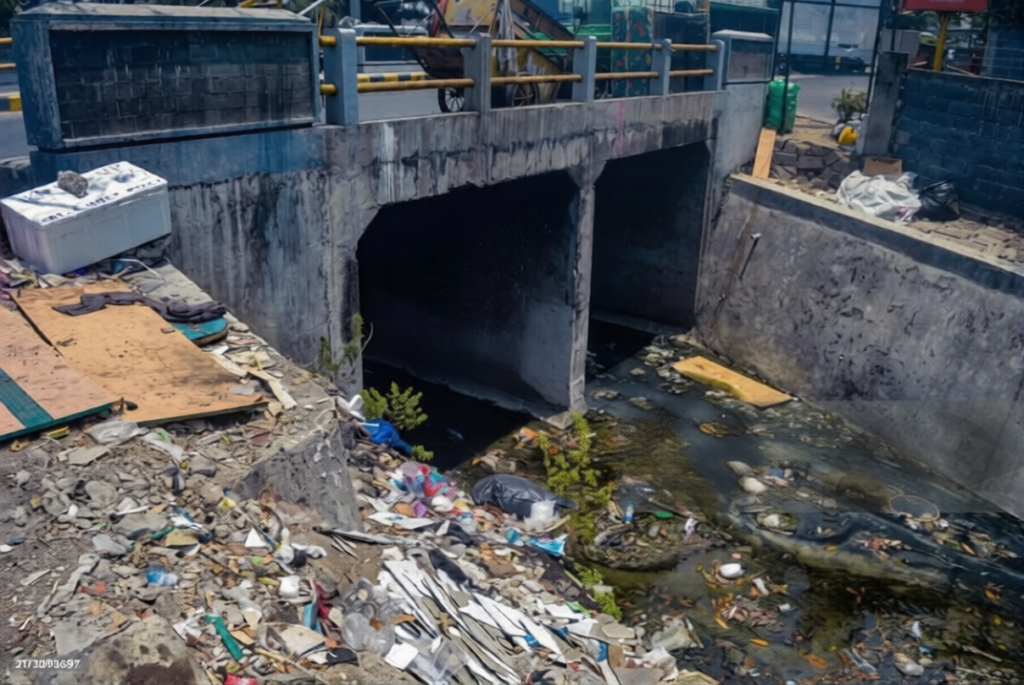
Climate risk is amplified by how cities handle waste, drainage, and materials.
Blocked waterways worsen flooding.
Poor waste management increases fire hazards.
Landfills placed near communities elevate health and environmental risks.
These factors influence how insurers assess risk — yet they are often overlooked in climate adaptation strategies.
Circular systems reduce exposure.
Resilient infrastructure lowers long-term risk.
Preventive design makes communities more insurable.
This is where CleanCyclers’ work intersects directly with climate resilience. Waste is not just an environmental issue — it is a risk multiplier.
Insurance Without Inclusion Is Not Resilience
A climate future where only the wealthy can afford protection is not sustainable.
If insurance becomes a privilege rather than a shared safety net, entire regions risk becoming economically stranded. Investment slows. Property values collapse. Livelihoods disappear.
Through SustainabilityUnscripted, we continue to challenge narratives that treat insurance withdrawal as a technical inevitability rather than a policy and design failure.
Climate resilience must be built before risk is priced out — not after disaster strikes.
Rethinking Climate Protection

The path forward requires collaboration across sectors:
- Insurers working with governments on adaptive models
- Cities investing in resilient, circular infrastructure
- Businesses designing systems that reduce environmental risk
- Climate leaders acknowledging the social cost of market retreat
At the Global Sustainability Summit, one message is becoming increasingly clear: adaptation must be proactive, inclusive, and systemic.
Insurance should reward resilience — not abandon vulnerability.
A Call for Creative Climate Resilience

Climate risk cannot be solved by finance alone. It requires creativity, foresight, and systems thinking.
At CleanCyclers, we see resilience as something that can be designed — through circular waste systems, smarter urban planning, and preventive infrastructure that reduces exposure long before insurers redraw their maps.
Climate protection should not depend on income or geography.
If sustainability is to mean anything, it must mean that protection, resilience, and recovery are not reserved for the few — but designed for the many.