


By Amb. Canon Otto , Convener, Global Sustainability Summit & Founder, Cleancyclers
Sustainability is not a Western idea, nor an African concept, nor an Asian movement. It is a universal human responsibility — expressed uniquely across cultures, landscapes, and histories. At cleancyclers, as well as on platforms like sustainabilityUnscripted, we explore the human side of sustainability: how communities around the world live, thrive, and adapt while protecting the planet.
Traveling through nations and engaging with global leaders at the Global Sustainability Summit, I, Canon Otto, have witnessed one profound truth:
Eco-living is not defined by technology — it is defined by mindset.
Across continents, sustainability takes many forms. Each community carries a wisdom the world can learn from.
Africa: Community, Circular Living & Ancestral Harmony
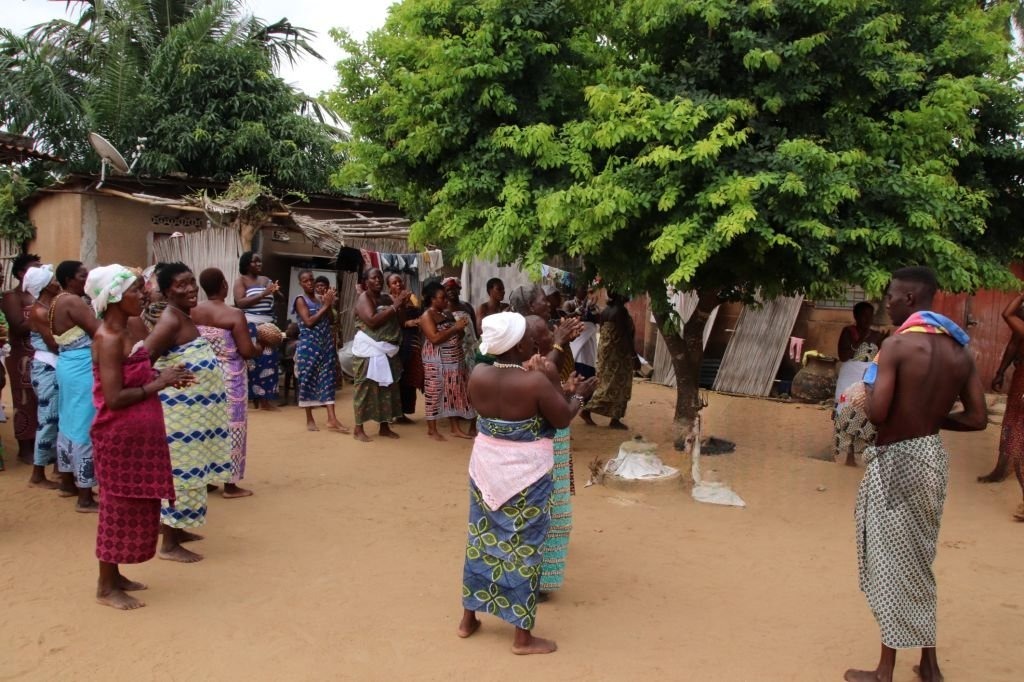
In Africa, eco-living is deeply cultural. It is woven into our ancestral consciousness — from community farming to shared resources, from respect for land to traditions of reuse.
In Nigeria, Kenya, Rwanda, and Ghana, young entrepreneurs and grassroots innovators are redefining recycling, clean energy, and sustainable agriculture. This is the spirit that fuels cleancyclers — turning waste into wealth, pollution into opportunity, and crisis into creativity.
Africa’s approach teaches the world that sustainability is not an imported idea; it is a lived, communal philosophy.
Europe: Policy, Precision & Planet-Centric Planning
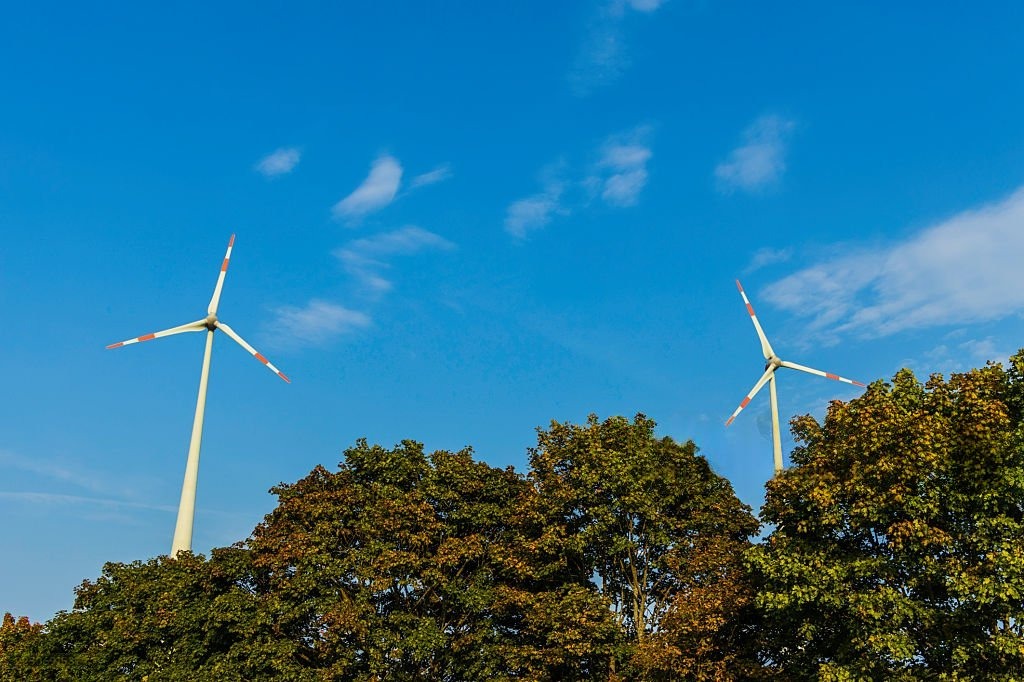
Europe’s sustainability strength lies in structure. Nations here have adopted policies that put the planet at the center of development — from green architecture in Denmark to Germany’s energy transition, to France’s food waste laws.
Europe demonstrates that systemic planning and political will are essential to global sustainability. The continent reminds us that good intentions must be backed by strong institutions — a lesson the world cannot ignore.
At sustainabilityUnscripted, we often highlight these structured approaches to inspire policymakers in Africa and other developing regions.
Asia: Innovation, Efficiency & Cultural Discipline

Asia is a powerhouse of sustainability breakthroughs. Japan’s minimalism, South Korea’s digital circular systems, China’s renewable energy revolution, and India’s massive solar transition all show what’s possible when innovation meets discipline.
What Asia teaches us — and what I emphasize at the Global Sustainability Summit — is that scaling sustainability requires both creativity and consistency.
No matter how small or large a country is, sustainable living succeeds when people and systems work together.
Latin America: Biodiversity, Social Movements & Indigenous Leadership
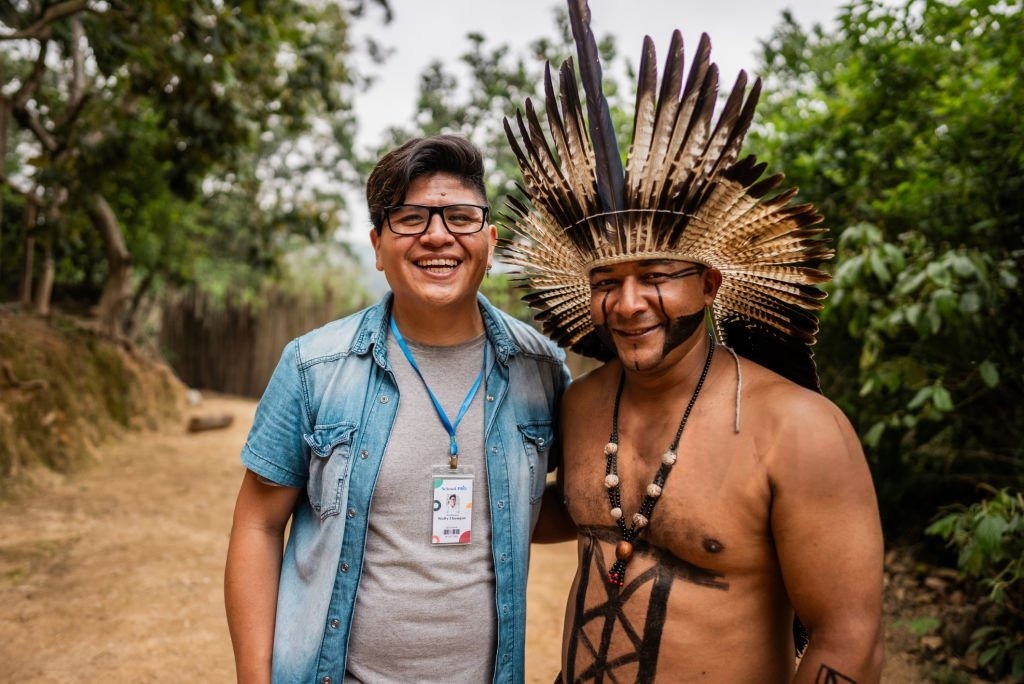
Latin America lives sustainability through its forests, rivers, biodiversity, and strong indigenous leadership. Nations like Costa Rica have set global benchmarks in eco-tourism and reforestation.
Indigenous communities across Brazil, Peru, Colombia, and Bolivia remind us that sustainability is not a trend — it is an identity. Their understanding of land stewardship is deeply aligned with the future the world needs.
For Canonotto, this region represents the emotional and spiritual core of global sustainability — a place where nature is not managed but respected.
Middle East: Clean Energy Vision & Technological Leapfrogging
From the UAE’s clean energy cities to Saudi Arabia’s futuristic NEOM project, the Middle East is showing how innovation can thrive even in challenging climates.
Despite extreme heat and water scarcity, these nations are investing massively in solar energy, green buildings, and circular water systems.
The Middle East proves that no challenge is too large when vision is strong.
This mirrors the resilience and ambition behind cleancyclers, where we turn environmental challenges into opportunities for innovation across Africa.
Oceania & Island Nations: Adaptation, Ocean Care & Climate Vigilance
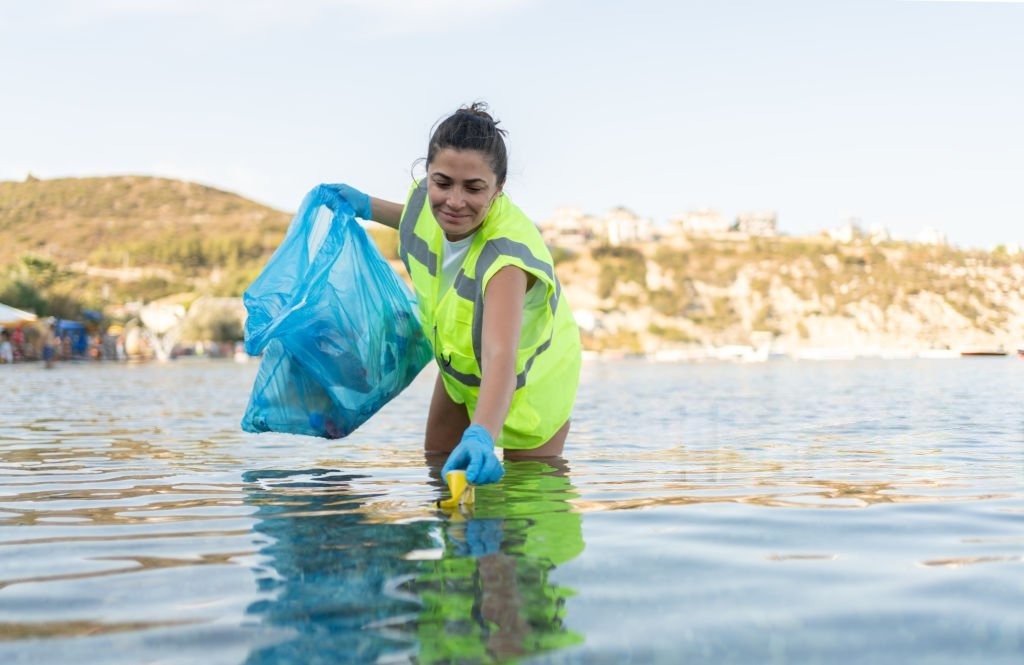
Island nations like Fiji, Samoa, and Vanuatu are on the frontlines of climate change — yet they are leaders in resilience, adaptation, and ocean protection.
Their approach to eco-living centers on conservation, community unity, and long-term planning.
At sustainabilityUnscripted, we amplify these voices because they represent the future many nations will face if global sustainability efforts remain slow.
What the World Teaches Us About Eco-Living
After decades of engagement, research, and global summits, one lesson stands clear:
There is no single model of sustainability.
But there is one universal truth: Eco-living begins with responsibility.
Whether through culture, innovation, community, policy, or spirituality, the world is teaching us that sustainability thrives when people see themselves as custodians of the earth.
This philosophy drives Cleancyclers, fuels SustainabilityUnscripted, and shapes the global vision we carry forward at the Global Sustainability Summit.
Conclusion: A Shared Planet, A Shared Responsibility
Eco-living around the world reflects the diversity of human experience. But our differences do not separate us — they strengthen us.
As Canon Otto, I believe the future of sustainability lies in learning from one another, respecting each region’s unique contributions, and building a global culture where eco-living is not a choice but a way of life.
Together, we can shape a world that thrives — sustainably, responsibly, and harmoniously.