

By Amb. Canon Otto
We are living in an age where products are designed to be replaced, not respected.
From packaging to electronics, from clothing to household items, the modern economy has normalized a dangerous pattern—use quickly, discard easily, replace immediately.
But at what cost?
At CleanCyclers, we confront this reality every day. The growing volume of waste is not accidental—it is the direct result of a culture built on disposability.
Through SustainabilityUnscripted, we continue to challenge this model and ask a more important question:
What if durability, not disposability, became the standard?
The Rise of the Disposable Economy
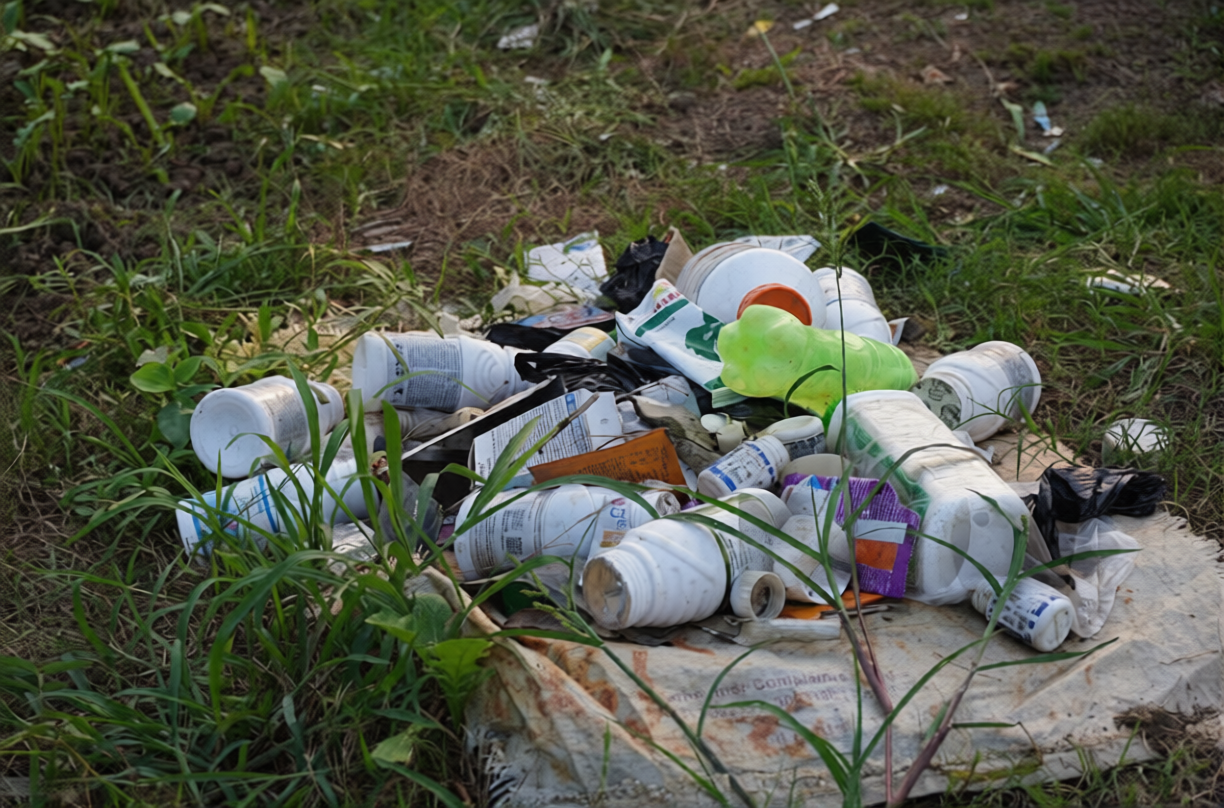
Convenience has reshaped consumption.
Products today are often:
- Cheaper to replace than to repair
- Designed with shorter lifespans
- Packaged for single-use consumption
- Marketed for immediate satisfaction
This has created a system where value is no longer measured by longevity, but by accessibility.
And the result is clear—more waste, more resource depletion, and more environmental strain.
“A disposable culture does not just waste materials—it wastes responsibility.” — CanonOtto
The True Cost of “Cheap”
What appears affordable at the point of purchase often carries hidden costs:
- Environmental degradation from constant production
- Increased landfill pressure
- Higher long-term spending due to repeated replacements
- Energy and resource waste across supply chains
At CleanCyclers, we emphasize that the cheapest product is rarely the most sustainable one.
Durability, on the other hand, shifts the equation.
Durability as a Sustainability Strategy
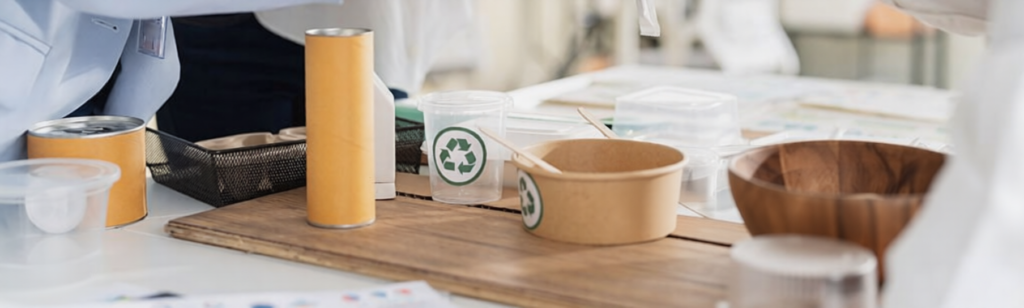
Choosing durable products is not just a consumer preference—it is a strategic environmental decision.
Durable products:
- Last longer
- Reduce the frequency of replacement
- Lower overall waste generation
- Minimize resource extraction
This is how individual choices begin to align with circular economy principles.
Through SustainabilityUnscripted, we reinforce a key idea:
Sustainability is not about consuming less alone—it is about consuming better.
What Does It Mean to Choose Durable?
Durability is not always about price—it is about value over time.
Here are practical ways to shift from disposable to durable living:
1. Prioritize Quality Over Quantity
Instead of buying multiple low-quality items, invest in fewer products designed to last.
This reduces both waste and long-term cost.
2. Understand Product Lifecycles
Before purchasing, ask:
- How long will this last?
- Can it be repaired?
- What happens when it reaches the end of its life?
This mindset transforms consumption into conscious decision-making.
3. Support Brands That Value Longevity
Some manufacturers prioritize durability, repairability, and sustainable design.
Supporting these brands sends a powerful market signal—consumers value sustainability.
4. Avoid Single-Use Where Possible
Disposable products are designed for convenience, not longevity.
Replacing them with reusable alternatives is one of the simplest ways to reduce waste at scale.
5. Maintain What You Own
Durability is not just about buying—it is about how you care for what you have.
Regular maintenance extends product lifespan and preserves value.
“Sustainability is not only in what we buy—but in how long we choose to keep it.” — CanonOtto
The Behavioral Shift Behind Durable Living

The challenge is not awareness—it is habit.
We have been conditioned to prioritize:
- Speed over thought
- Convenience over consequence
- Newness over necessity
Changing this requires a shift in mindset.
Through SustainabilityUnscripted, we continue to explore how behavior drives environmental outcomes. Because without behavioral change, even the best solutions remain underutilized.
From Individual Choices to Systemic Impact
When more people choose durable products:
- Demand for low-quality, disposable goods declines
- Manufacturers are pushed toward sustainable design
- Waste generation decreases significantly
- Circular economies become more viable
This is how markets evolve—not just through policy, but through consumer behavior.
As convener of the Global Sustainability Summit, I have seen how global strategies depend on local action. And those actions begin with simple decisions—like what we choose to buy.
The CleanCyclers Perspective
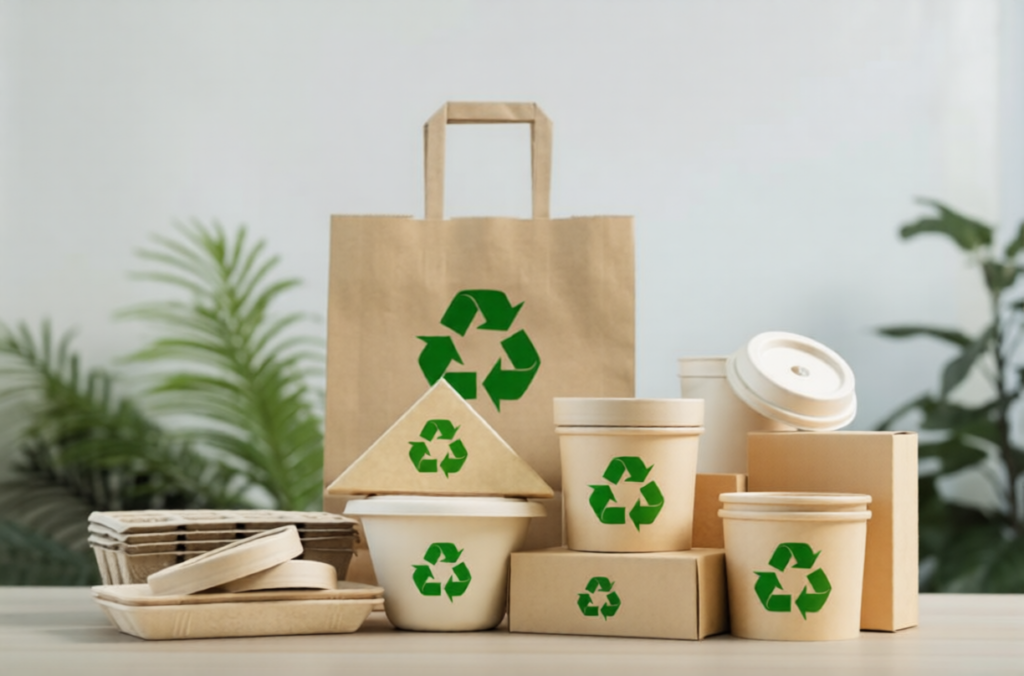
At CleanCyclers, we believe that the future of sustainability lies in rethinking consumption itself.
We advocate for:
- Responsible purchasing decisions
- Waste reduction at the source
- Circular product lifecycles
- A culture that values longevity over disposability
Because the most effective waste management strategy is not disposal—it is prevention.
And durability is prevention in action.
A Final Reflection
Every product you buy tells a story.
A story of resources extracted, energy consumed, and waste eventually created.
The question is:
Will that story be short and wasteful…
or long and responsible?
Because in the end, sustainability is not defined by what we intend to do.
It is defined by what we choose—every day.
Choose durability.
Choose responsibility.
Choose a future where value lasts.