

An Honest Reflection on Burnout, Greenwashing, and the Power of Authentic Systems Change
By Amb. Canon Otto
Convener, Global Sustainability Summit
Founder & Systems Advocate, Cleancyclers
There is a quiet exhaustion spreading through the sustainability movement.
People care about the climate. They care about waste, pollution, inequality, and the future of their children. Yet more and more, they are disengaging—scrolling past sustainability content, distrusting corporate claims, and withdrawing from conversations they once leaned into with urgency.
This is not climate denial.
It is sustainability fatigue.
And unless we confront it honestly, we risk losing public trust at the very moment collective action matters most.
When Awareness Becomes Overload
For years, sustainability messaging has relied heavily on urgency:
countdowns, catastrophe, warnings, and guilt-driven narratives.
While these approaches succeeded in raising awareness, they also produced an unintended consequence—emotional burnout. People are overwhelmed by crises they feel powerless to influence. The result is not indifference, but withdrawal.
Sustainability fatigue shows up as:
- Apathy toward climate headlines
- Cynicism about corporate ESG claims
- Disengagement from environmental campaigns
- A sense that “nothing I do really matters”
At the Global Sustainability Summit, this pattern has become impossible to ignore. Awareness is no longer the bottleneck. Trust is.
Greenwashing Has a Cost
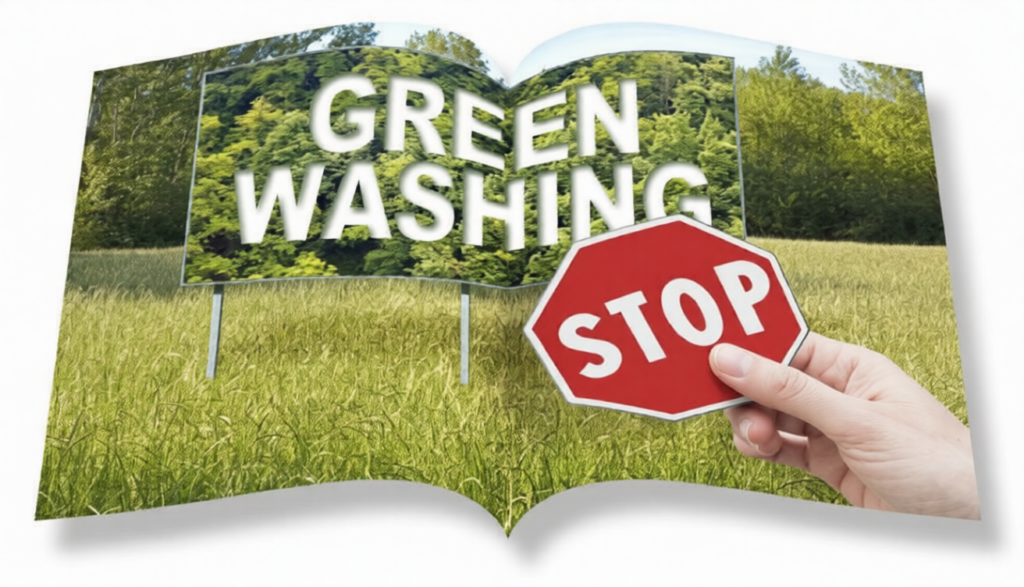
One of the most corrosive contributors to sustainability fatigue is greenwashing.
When sustainability is reduced to branding—buzzwords without substance—people notice. Vague net-zero promises, selective reporting, and symbolic gestures erode credibility. Over time, they teach audiences to doubt even genuine efforts.
The damage is profound:
when everything is marketed as “green,” nothing feels believable.
Through conversations on SustainabilityUnscripted, we’ve returned repeatedly to this uncomfortable truth: performative sustainability exhausts people faster than silence.
Why Systems Matter More Than Stories Alone
Storytelling remains essential—but stories without systems eventually ring hollow.
At Cleancyclers, we see this every day. Communities do not lose faith because sustainability is too ambitious. They lose faith when promises are disconnected from lived reality.
People regain belief when they can see, touch, and experience change:
- Waste collected consistently
- Flood risks reduced
- Jobs created from discarded materials
- Cleaner streets and healthier neighbourhoods
This is where creativity turns waste into opportunity—not as a slogan, but as infrastructure that works.
Circular systems rebuild trust because they deliver outcomes, not narratives.
Reigniting Action Through Authenticity
If sustainability fatigue is driven by overload and distrust, then the solution is not louder messaging—but more honest design.
Reigniting action requires a shift:
- From perfection to progress
- From marketing to measurement
- From distant pledges to local impact
- From fear-based messaging to empowerment
People engage when they believe their participation matters—when sustainability feels human, practical, and achievable.
At the Global Sustainability Summit, the most resonant voices are no longer those promising flawless futures, but those sharing real-world transitions, including setbacks, trade-offs, and lessons learned.
Authenticity does not weaken sustainability.
It strengthens it.
The Role of Creativity in Restoring Trust

Creativity is often misunderstood as aesthetics or branding. In sustainability, creativity is far more consequential—it is problem-solving under constraint.
Creative system design:
- Turns waste into economic value
- Aligns environmental goals with livelihoods
- Makes sustainability visible in daily life
At CanonOtto, and through the work of Cleancyclers, creativity is treated as a structural tool. When people see waste transformed into opportunity, sustainability stops feeling abstract. It becomes tangible—and trust begins to return.
Moving Beyond Fatigue
Sustainability fatigue is not a sign that people no longer care.
It is a signal that they are tired of:
- Empty promises
- Recycled narratives
- Solutions that look good on paper but fail on the ground
The path forward is clear:
- Design systems that work
- Communicate honestly about impact
- Centre people, not just metrics
- Replace greenwashing with grounded action
Through SustainabilityUnscripted, we continue to challenge the sector to tell better stories—but more importantly, to build better systems worth believing in.
A Final Reflection

The sustainability movement does not need more urgency.
It needs renewed credibility.
When action is visible, creativity is applied, and systems deliver real value, fatigue gives way to momentum. People re-engage not because they are told to—but because they can finally see that change is possible.
At Cleancyclers, at the Global Sustainability Summit, and through CanonOtto, the message remains consistent:
The future of sustainability will be shaped not by louder promises, but by quieter proof.
Proof that waste can become opportunity.
Proof that systems can change.
Proof that trust can be rebuilt.