

Why Water Scarcity Will Redefine Global Economics, Agriculture, and Geopolitics
By Amb. Canon Otto
Convener, Global Sustainability Summit
Contributor, SustainabilityUnscripted
For most of modern economic history, water has been treated as abundant, inexpensive, and endlessly available. It has been priced as a utility, managed as an afterthought, and consumed as if scarcity were a distant concern.
That era is ending.
Across continents, droughts are intensifying, aquifers are being depleted, rivers are becoming contested, and infrastructure is struggling to keep pace with climate volatility. The uncomfortable truth is now unavoidable: cheap water is disappearing—and with it, the economic assumptions built around it.
At CleanCyclers, and through the critical conversations we host on SustainabilityUnscripted, we see water not only as a resource, but as a defining constraint of the next global economic chapter.
When Scarcity Becomes Structural

Water scarcity is no longer a regional anomaly. It is becoming a structural feature of the global economy.
Industries that once took water for granted—agriculture, manufacturing, energy, mining—are now confronting rising costs, supply uncertainty, and regulatory pressure. Cities are facing rationing, infrastructure stress, and social tension. Rural communities are watching livelihoods become increasingly fragile.
As Convener of the Global Sustainability Summit, I have observed a consistent pattern: water risk is quietly becoming one of the most material economic risks of our time—yet it remains underestimated in boardrooms, policy rooms, and investment models.
When water stops being cheap, everything that depends on it must be re-priced, redesigned, and re-prioritised.
Agriculture at the Front Line
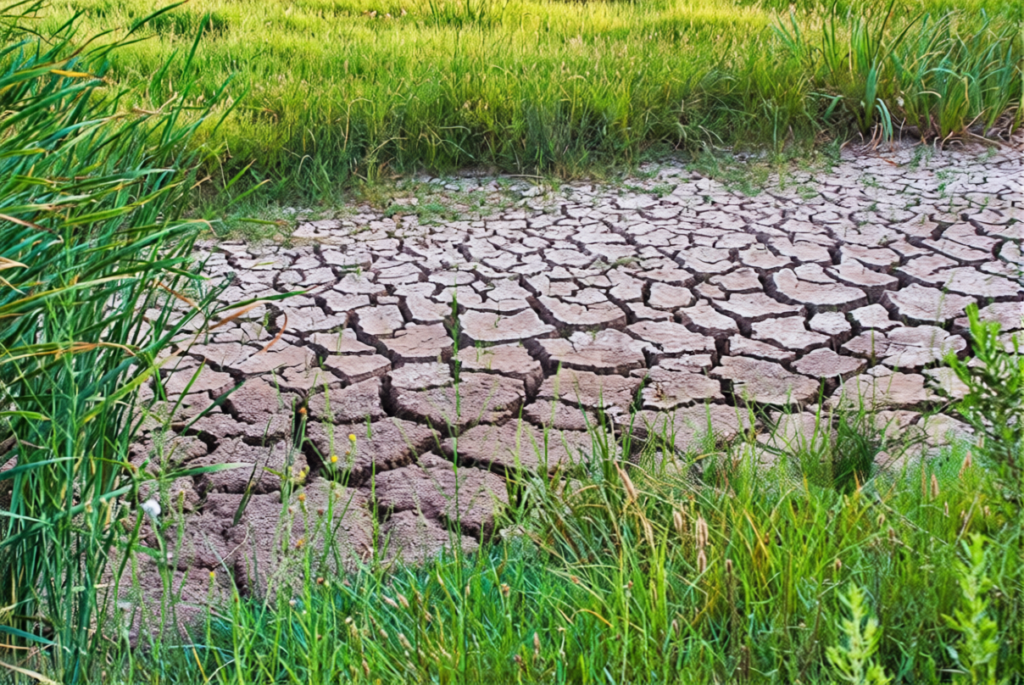
No sector will feel this shift more acutely than agriculture.
Food systems are, at their core, water systems. Irrigation, processing, livestock, and storage all depend on reliable and affordable water. As scarcity grows, yields become volatile, costs rise, and food security becomes more fragile.
The geopolitical implications are profound. Nations that control water sources will gain leverage. Regions dependent on stressed basins will face heightened vulnerability. Trade patterns will shift—not just because of energy or minerals, but because of water embedded in food and commodities.
Water will increasingly function as “invisible infrastructure” shaping global markets.
The Urban and Industrial Reckoning
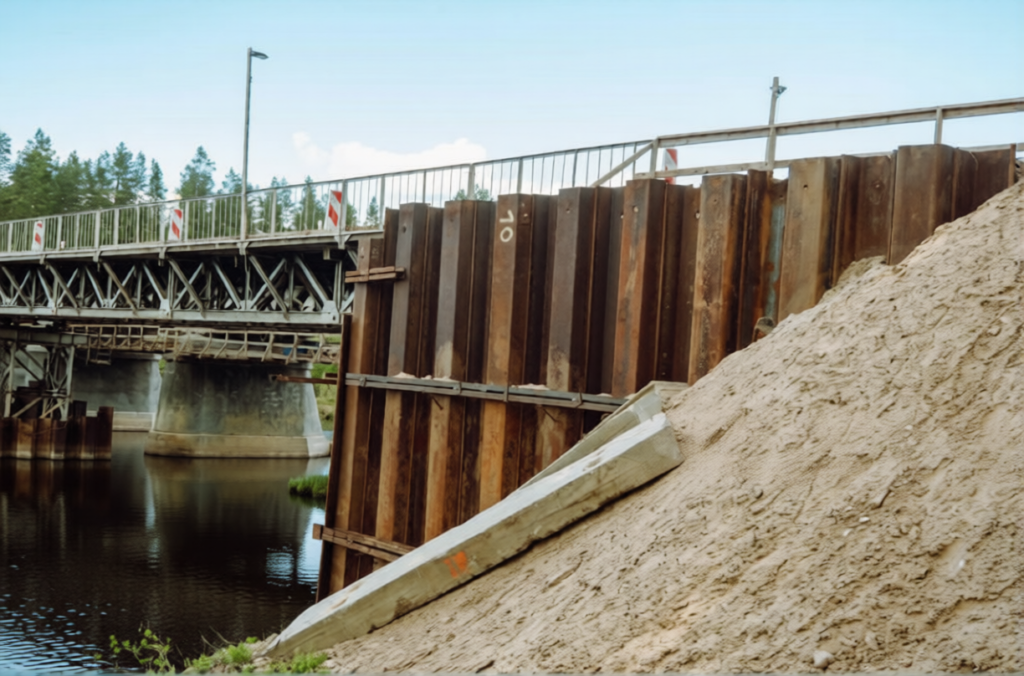
Cities and industries have been built on the assumption of stable, cheap water supply. That assumption is now failing.
Leakage, inefficient treatment systems, pollution, and climate extremes are converging into a single reality: the cost of water is rising, and the margin for waste is shrinking.
This is where the work of CleanCyclers intersects directly with water resilience. Waste is not only a materials problem—it is a water problem. Poor waste management contaminates waterways, increases treatment costs, worsens flood risk, and reduces usable supply.
Blocked drainage systems amplify floods.
Polluted rivers raise purification costs.
Landfills leach into groundwater.
In each case, mismanaged materials become mismanaged water.
Circular systems are not only about resources—they are about protecting water quality, reducing system stress, and lowering long-term risk.
From Linear Consumption to Circular Water Thinking

At CleanCyclers, we approach sustainability through systems design. Linear models—take, use, discard—do not survive in a world of constrained water. Circular models—reduce, reuse, recover, redesign—are not optional; they are becoming economic necessities.
This means:
- Designing products and processes that use less water
- Recovering materials to prevent water contamination
- Building waste systems that protect watersheds
- Treating water as a strategic asset, not a background utility
Through SustainabilityUnscripted, we have consistently argued that resource security and environmental protection are no longer separate conversations. They are two sides of the same economic reality.
Geopolitics in a Thirstier World
Water scarcity is already reshaping geopolitics.
Shared river basins are becoming strategic flashpoints. Infrastructure projects upstream are triggering tensions downstream. Climate migration is being accelerated by failing water systems. In fragile regions, water stress is acting as a risk multiplier for conflict, instability, and displacement.
The end of cheap water does not simply raise prices—it reorders power, security, and influence.
This is why water must be treated not only as an environmental issue, but as a core pillar of economic planning and geopolitical strategy.
What Leadership Must Now Do
The response to water scarcity cannot be incremental.
It requires:
- Investment in resilient, efficient infrastructure
- Circular systems that reduce pollution and waste
- Governance models that price water realistically while protecting the vulnerable
- Business strategies that treat water risk as financially material
- Urban planning that designs for floods, droughts, and extremes
At the Global Sustainability Summit, one message is becoming increasingly clear: the next era of sustainability will be shaped as much by water intelligence as by carbon strategy.
The Opportunity Hidden in Constraint

Scarcity, while dangerous, also forces innovation.
When creativity is applied to systems, constraints become catalysts. Waste becomes value. Efficiency becomes competitiveness. Resilience becomes a strategic advantage.
This is the philosophy behind CleanCyclers—and the lens through which CanonOtto approaches sustainability leadership. The end of cheap water is not just a warning. It is a call to redesign how our economies, cities, and industries actually function.
Because the future will not belong to those who assumed water would always be there.
It will belong to those who designed their systems as if it would not.