

By Amb. Canon Otto, Convener, Global Sustainability Summit & Founder, Clean Cyclers
Every morning, without much thought, we open our wardrobes and make a choice.
What to wear.
What to discard.
What to replace.
Yet, few people pause to consider this simple truth: our wardrobes shape our world more than we realize.
Across Africa’s growing cities, fashion has become both a cultural expression and a silent environmental challenge. Mountains of discarded clothing, synthetic fabrics clogging drainage systems, and fast-fashion waste ending up in landfills tell a story we can no longer ignore. At Clean Cyclers, we believe sustainability must begin where people live — and what they wear.
Through conversations on Sustainability Unscripted and reflections shared at the Global Sustainability Summit, one message remains consistent: sustainability is personal before it is global.
The Hidden Cost of Fast Fashion
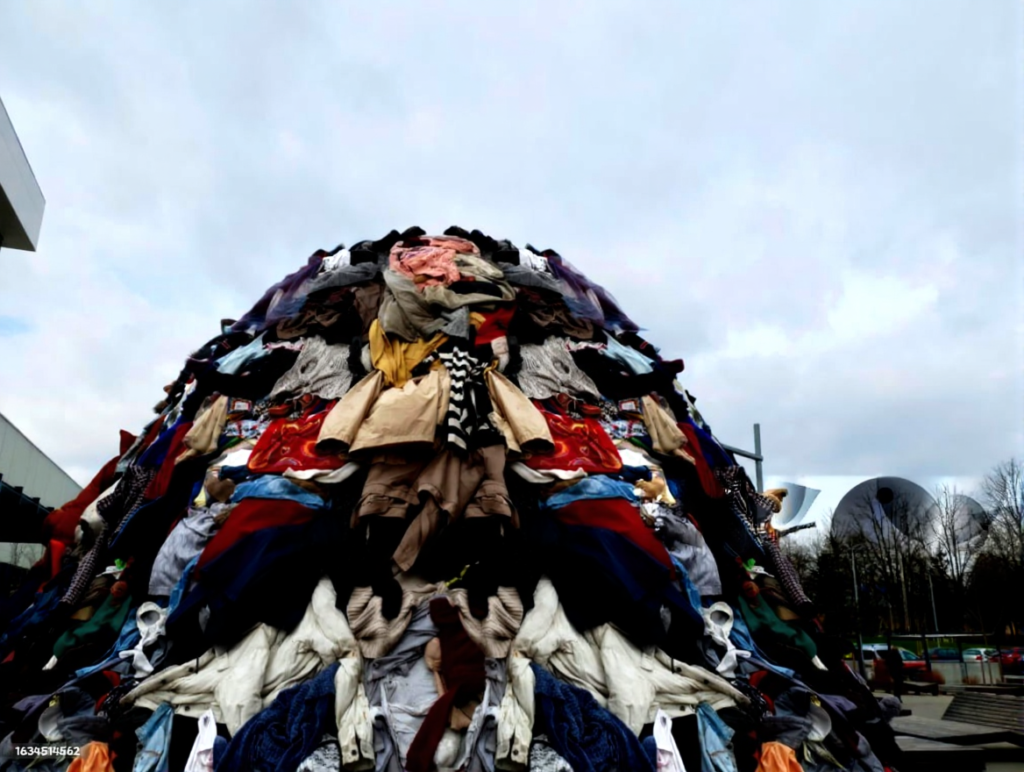
Fast fashion thrives on speed and disposability. Clothes are worn briefly, trends change quickly, and garments are discarded long before their true lifespan ends. What many do not see is where these clothes go next.
In cities like Lagos, Accra, Nairobi, and Johannesburg, textile waste increasingly contributes to blocked waterways, urban flooding, and landfill overflows. Synthetic fibers do not decompose easily; instead, they release microplastics into our soil and water systems.
As Canon Otto, I often remind audiences that waste is not an accident — it is a design failure. Fashion systems designed for speed rarely account for end-of-life responsibility.
Secondhand Is Not Second Best
One of the most effective ways to reduce textile waste is also one of the simplest: embracing secondhand clothing.
Thrift markets, swap events, and preloved fashion spaces extend the life of garments that would otherwise be discarded. Secondhand fashion reduces demand for new textile production, conserves water, lowers carbon emissions, and saves money — all at once.
More importantly, it reshapes our mindset. At CleanCyclers, we view secondhand culture as a gateway into circular living — a reminder that value does not disappear after first use.
Supporting Local Tailors: A Circular Tradition We Must Preserve
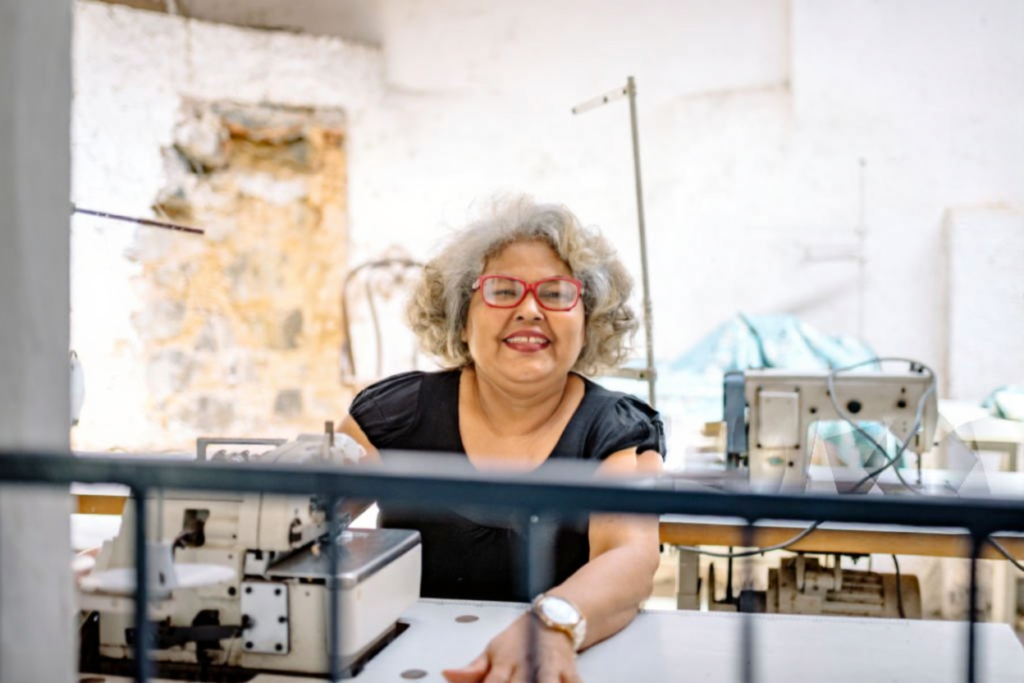
Long before the phrase “sustainable fashion” became popular, African communities practiced it naturally. Clothes were repaired, resized, restyled, and repurposed by local tailors.
Supporting local tailors today is not just an economic choice; it is an environmental one. Tailoring reduces waste, keeps materials in circulation, and strengthens local livelihoods. A torn sleeve does not mean disposal — it means redesign.
Through SustainabilityUnscripted, we continue to spotlight how traditional practices already align with modern sustainability principles. The challenge is not innovation alone, but rediscovering what we already know.
Fabric Recycling and the Urban Textile Problem
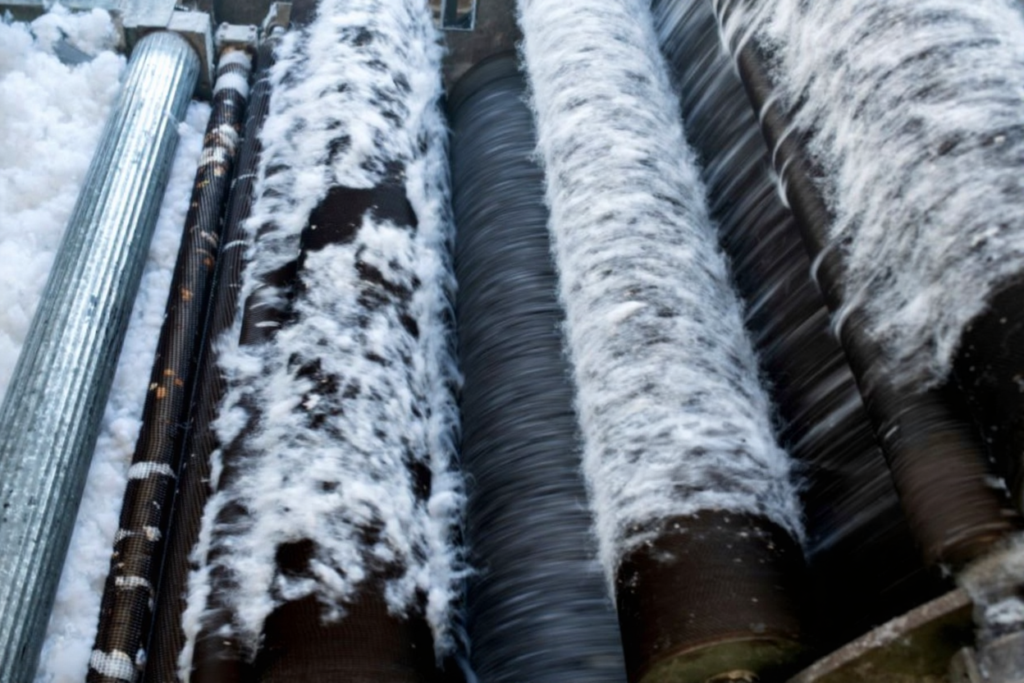
Textile waste is one of the fastest-growing waste streams in urban centers. Unfortunately, it is also one of the least discussed.
At CleanCyclers, our work in circular economy advocacy emphasizes the urgent need to integrate fabric recycling into city waste systems. Cotton, denim, polyester, and blended fabrics can be repurposed into insulation materials, cleaning cloths, upholstery stuffing, and even construction inputs.
If cities are serious about sustainability, textiles must be treated with the same urgency as plastics and e-waste. Circular cities cannot exist without circular wardrobes.
Daily Habits That Build a Sustainable Fashion Lifestyle
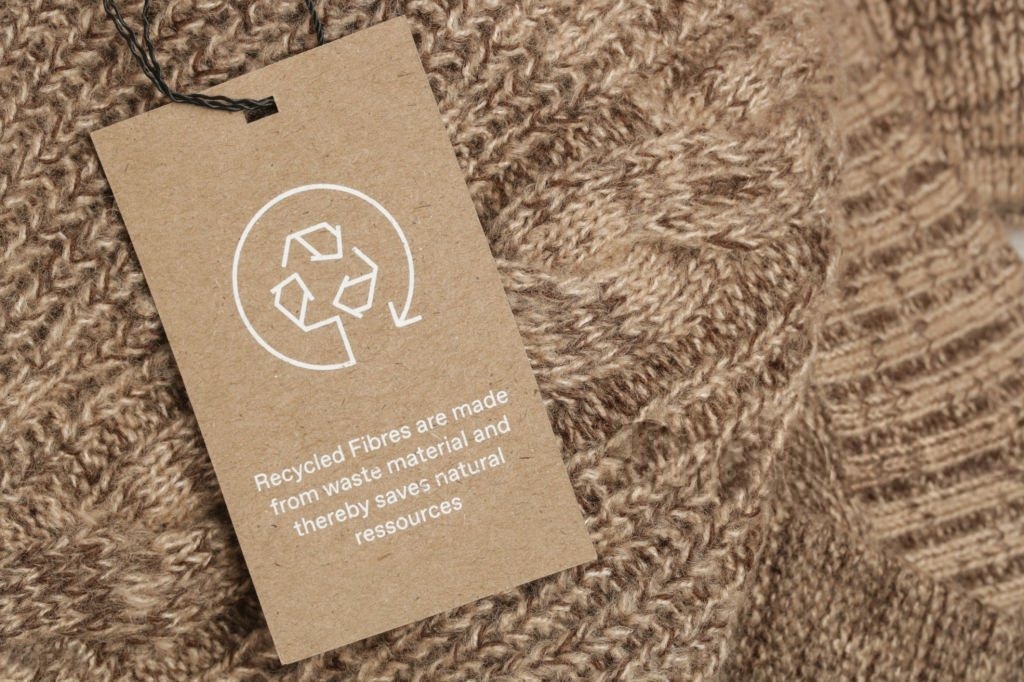
Sustainable fashion does not require perfection. It requires intention. Simple daily actions make a measurable difference:
- Buy fewer, better-quality clothes
- Repair before replacing
- Donate responsibly instead of dumping
- Wash clothes less frequently to extend lifespan
- Choose natural or recycled fabrics when possible
- Ask where and how garments are produced
These habits, practiced consistently, reduce environmental strain while empowering consumers.
A Canon Otto Reflection
At the Global Sustainability Summit, I often share this reflection:
“The future of sustainability will not be decided only in boardrooms and policies — it will be decided in homes, markets, and wardrobes.”
— Amb. Canon Otto (CanonOtto)
What we wear is not separate from who we are. It reflects our values, our priorities, and our responsibility to the planet.
CleanCyclers’ Vision: Circular Cities Start With Conscious People
A sustainable city is built not only on infrastructure but on behavior. When individuals choose sustainable fashion habits, cities become cleaner, drains flow freely, waste volumes reduce, and circular systems become viable.
At CleanCyclers, we remain committed to promoting solutions that connect daily living with environmental responsibility. Through SustainabilityUnscripted, we will continue telling the stories that inspire people to act — not tomorrow, but today.
Your wardrobe is not just personal.
It is environmental.
It is economic.
It is powerful.
And when we change how we dress, we change how our cities breathe.