

By Amb. Canon Otto, Convener, Global Sustainability Summit
Contributor, SustainabilityUnscripted
The global race to decarbonise is accelerating, and with it comes a renewed search for energy solutions capable of addressing sectors that renewable electricity alone cannot easily reach. Heavy industry, long-haul transport, shipping, and aviation remain among the hardest to abate.
In this evolving energy landscape, green hydrogen has emerged as one of the most discussed — and debated — solutions. The question we must ask, however, is not whether green hydrogen is promising, but whether it can be deployed responsibly, equitably, and sustainably.
At CleanCyclers, and through the conversations we convene at the Global Sustainability Summit, this is a discussion we believe must move beyond hype and into practical, systems-level thinking.
What Makes Hydrogen “Green”?
Hydrogen itself is not new. What matters is how it is produced.
Green hydrogen is generated by splitting water into hydrogen and oxygen using renewable electricity — typically from solar or wind. Unlike grey or blue hydrogen, this process emits no carbon dioxide when powered entirely by clean energy.
In theory, green hydrogen offers:
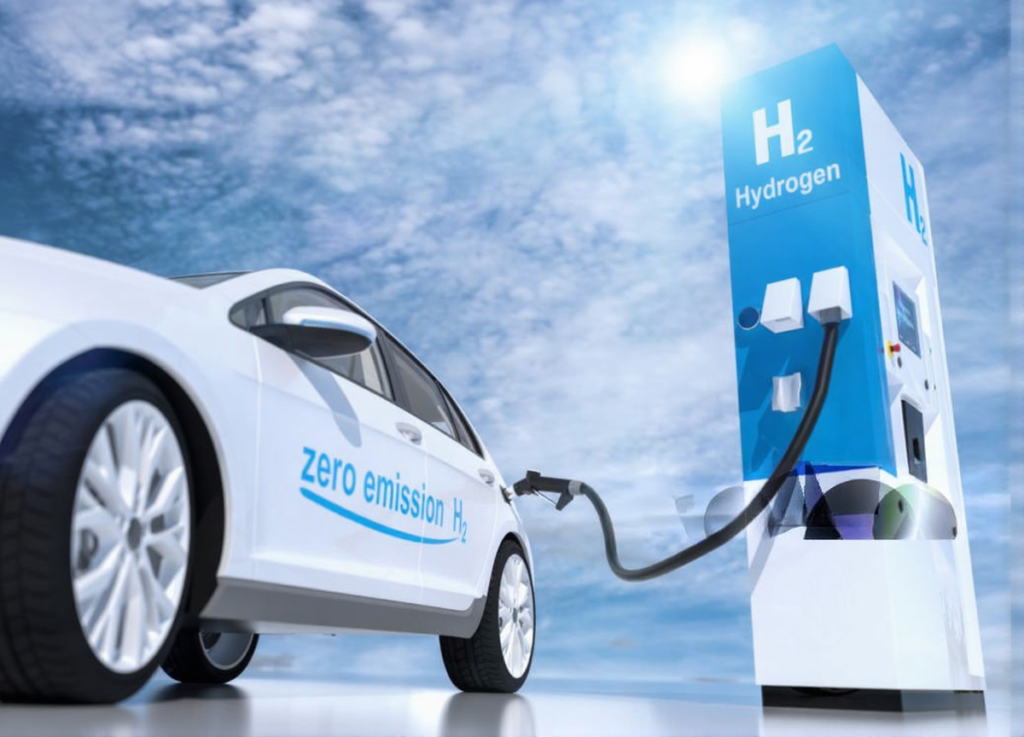
- Zero-emissions fuel at the point of use
- Long-term energy storage for renewable systems
- A pathway to decarbonise heavy industry
In practice, however, the sustainability of green hydrogen depends on the entire value chain, not just the final fuel.
The Infrastructure Challenge We Cannot Ignore
Producing green hydrogen at scale requires vast amounts of renewable energy, water, electrolysers, storage systems, and new transport infrastructure. These systems are resource-intensive and, if poorly managed, risk creating new environmental and social pressures.
This is where the sustainability conversation must mature.
At SustainabilityUnscripted, we consistently stress that climate solutions cannot be assessed in isolation. A fuel that reduces carbon emissions but accelerates water stress, material waste, or ecological damage fails the test of true sustainability.
CleanCyclers and the Circular Economy Lens
As a circular economy-driven organisation, CleanCyclers approaches green hydrogen through a lifecycle perspective. Electrolysers, storage tanks, pipelines, and renewable energy components all have material footprints and end-of-life implications.
The transition to green hydrogen must therefore:
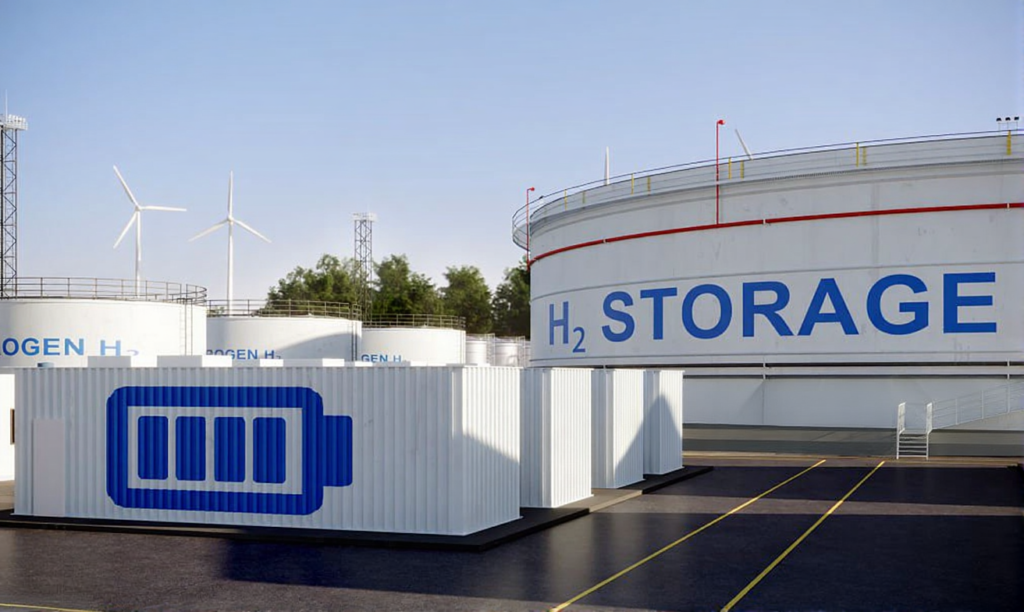
- Incorporate circular design principles from the outset
- Plan for equipment reuse, refurbishment, and recycling
- Avoid replicating the waste challenges seen in earlier energy transitions
The clean energy transition cannot afford another wave of unmanaged industrial waste. Circularity must be built into hydrogen strategies — not added later as an afterthought.
Africa’s Opportunity — and Responsibility
Africa holds enormous potential in the green hydrogen economy. With abundant solar and wind resources, the continent could become a major producer, not just a consumer.
But opportunity without governance is risk.
As Convener of the Global Sustainability Summit, I have emphasised that Africa must not become merely a hydrogen export zone while inheriting environmental degradation and infrastructure waste. Local value creation, skills development, and environmental safeguards must sit at the centre of green hydrogen projects.
This is where partnerships between policymakers, industry leaders, and organisations like CleanCyclers become critical.
From Future Fuel to Responsible Reality

Green hydrogen may well play a defining role in a decarbonised world. But its success will not be measured by production volumes alone. It will be judged by how well it aligns with climate goals, social equity, resource efficiency, and long-term environmental stewardship.
At CleanCyclers, supported by the open dialogue fostered through SustainabilityUnscripted, we believe the future of energy must be both clean and circular.
The real challenge is not choosing the right fuel — it is choosing the right systems.
And that is a responsibility we must meet together.