

By Amb. Canon Otto
When we think about plastic waste, we often look to governments, policies, and global agreements for solutions.
But one of the most powerful—and most overlooked—arenas for change is much closer to everyday life:
The market.
From local street markets to large commercial hubs, markets are the heartbeat of daily consumption. They are where products move, where packaging circulates, and where habits are formed and reinforced.
At CleanCyclers, we see markets not just as centers of trade—but as strategic intervention points for sustainability.
Through SustainabilityUnscripted, we continue to emphasize this shift in thinking:
if we can transform how markets operate, we can significantly reduce plastic waste at scale.
The Plastic Problem at the Point of Exchange
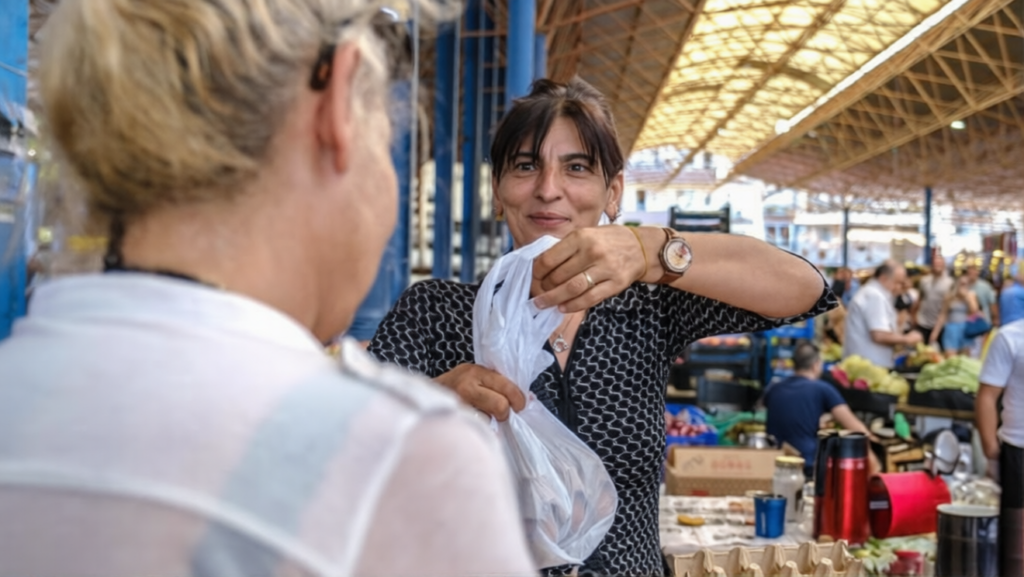
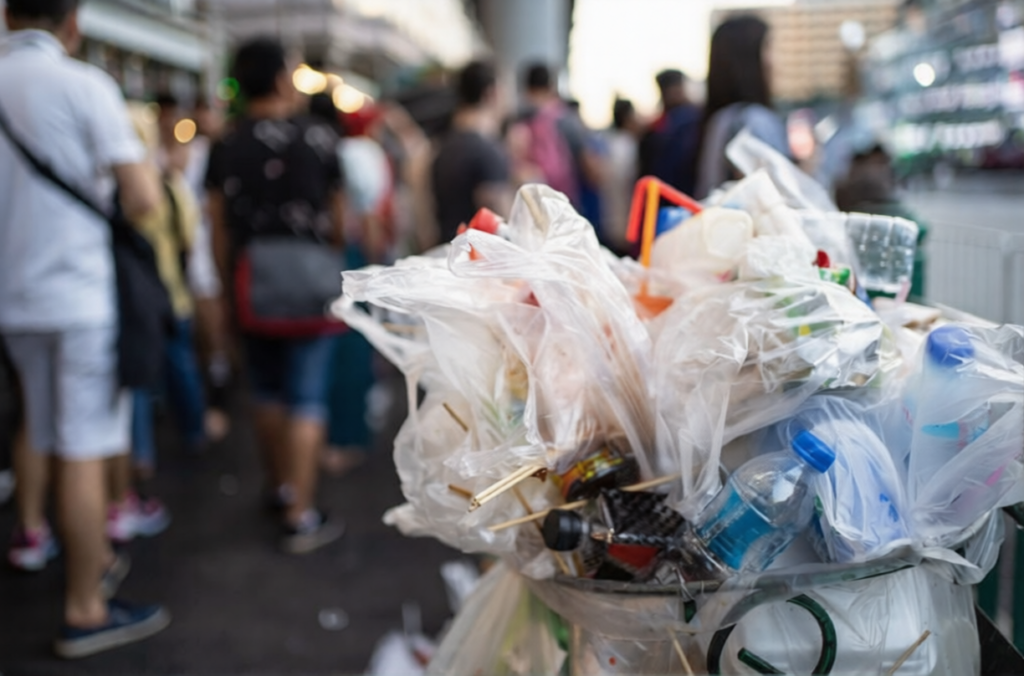
Markets generate an enormous volume of plastic waste daily:
- Thin plastic bags for every purchase
- Single-use packaging for food and goods
- Bottled drinks and disposable containers
- Wrapping materials used for convenience
These materials are used for minutes… but persist in the environment for years.
And because markets operate at high frequency and volume, their environmental impact is continuous and compounding.
“Where consumption is highest, responsibility must be strongest.” — CanonOtto
Why Markets Matter More Than We Think
Markets are not just places where goods are exchanged—they are places where behavior is normalized.
If plastic use is standard in markets, it becomes standard in society.
But the reverse is also true:
If sustainable practices are introduced and adopted in markets, they spread rapidly across communities.
At CleanCyclers, we recognize markets as behavioral ecosystems—and therefore, powerful drivers of change.
Turning Markets into Sustainability Hubs
The question is not whether markets can change.
The question is how.
Here are practical pathways to transform markets into leaders in the fight against plastic waste:
1. Reducing Single-Use Plastics at Source
Vendors can be encouraged—or required—to reduce reliance on plastic packaging.
Alternatives include:
- Paper-based packaging
- Reusable containers
- Biodegradable materials
This is where policy meets practice—but more importantly, where habit meets opportunity.
2. Promoting Reusable Culture
Customers can be encouraged to bring:
- Reusable shopping bags
- Personal containers for food items
- Bottles instead of buying new ones
Small actions, repeated daily across thousands of transactions, create significant impact.
3. Vendor Education and Incentives
Many vendors rely on plastic because it is cheap and accessible—not because it is sustainable.
Providing:
- Awareness programs
- Affordable alternatives
- Incentives for sustainable practices
can shift behavior without disrupting livelihoods.
Through SustainabilityUnscripted, we emphasize that sustainability must be inclusive and practical—especially in informal market systems.
4. Waste Collection and Segregation Systems
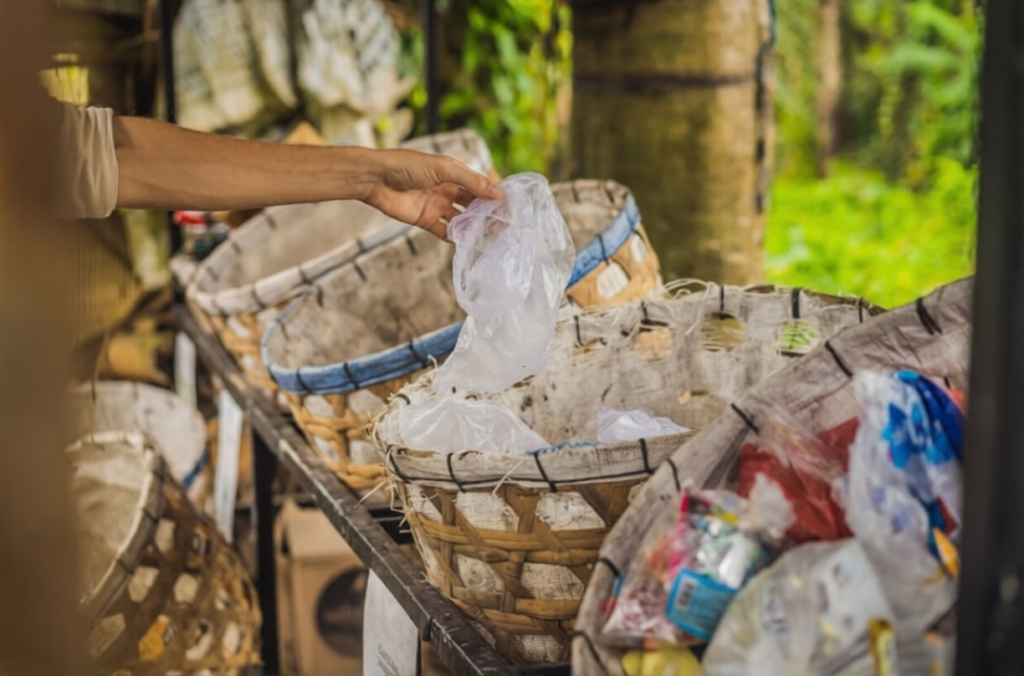
Markets must be equipped with:
- Clearly labeled waste bins
- Recycling collection points
- Organized waste management systems
At CleanCyclers, we have seen that structure enables behavior. When systems are clear and accessible, participation increases.
5. Community-Led Market Cleanups
Markets can become centers of environmental action through:
- Regular clean-up initiatives
- Community engagement programs
- Collaboration with local organizations
This builds not just cleaner spaces—but stronger environmental culture.
“A clean market is not maintained by systems alone—but by shared responsibility.” — CanonOtto
The Economic Opportunity in Reducing Plastic
Reducing plastic waste in markets is not just an environmental effort—it is an economic opportunity.
It can:
- Create demand for alternative packaging industries
- Generate jobs in recycling and waste management
- Support innovation in circular economy solutions
- Reduce long-term costs associated with waste management
At CleanCyclers, we view plastic reduction not as a limitation—but as a gateway to new value chains.
The Behavioral Shift at the Core
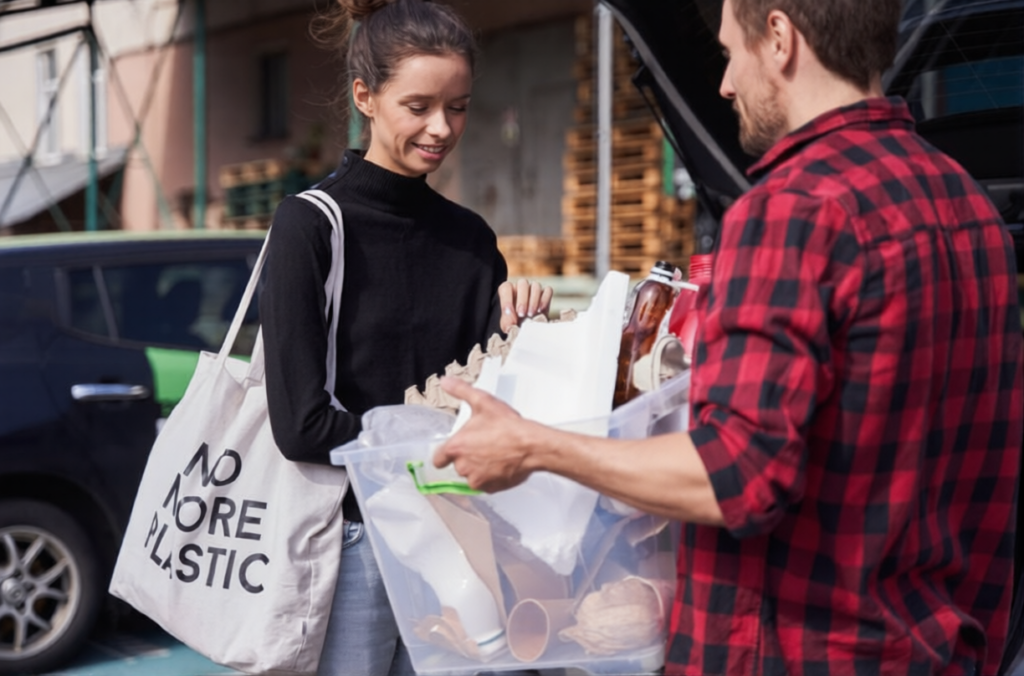
The real challenge is not plastic itself—it is habit.
People are used to:
- Receiving plastic bags automatically
- Expecting convenience in packaging
- Disposing without thinking about consequences
Changing this requires consistent engagement, awareness, and visible alternatives.
Through SustainabilityUnscripted, we continue to reinforce that sustainability becomes effective when it becomes routine.
From Markets to Cities
Markets influence neighborhoods.
Neighborhoods influence cities.
Cities influence nations.
If markets adopt sustainable practices:
- Waste reduces at scale
- Communities become more conscious
- Urban environments become cleaner and more efficient
This is how local action translates into systemic change.
As convener of the Global Sustainability Summit, I have seen global strategies aimed at reducing plastic pollution. But their success depends on localized implementation.
And markets are one of the most effective starting points.
The CleanCyclers Approach
At CleanCyclers, we are actively working to reposition markets as frontline actors in sustainability.
Our focus includes:
- Waste management systems within market environments
- Community education and engagement
- Promotion of circular practices
- Partnerships that drive sustainable behavior
Because we believe that the fight against plastic waste will not be won only through policy—it will be won through practice.
A Final Reflection
The next time you visit a market, observe closely.
Look at what is being used, what is being discarded, and what is being normalized.
Because within that space lies both the problem—and the solution.
The question is not whether markets contribute to plastic waste.
They do.
The real question is:
Can markets lead the change?
At CleanCyclers, we believe they can.
Through SustainabilityUnscripted, we are committed to telling that story.
And as CanonOtto, I remain convinced that the future of sustainability will be shaped not only by global decisions—but by everyday places like our markets.
Because that is where real life happens.

