


By Amb. Canon Otto
Long before sustainability became a global agenda, a policy framework, or a corporate strategy, many African communities were already practicing its core principles.
They may not have called it “sustainability.”
There were no climate reports.
No ESG frameworks.
No circular economy terminology.
Yet the behaviors, values, and systems embedded in many African traditions reflected something modern societies are only now trying to rediscover:
the wisdom of living within limits, respecting resources, and maintaining balance with nature.
At CleanCyclers, we believe sustainability is not foreign to Africa.
It is deeply rooted in our cultural memory.
Through SustainabilityUnscripted, we continue to challenge the misconception that sustainability is a borrowed modern concept.
In many ways, African societies were already practicing it—long before the language existed.
Sustainability Was Once Embedded in Daily Life
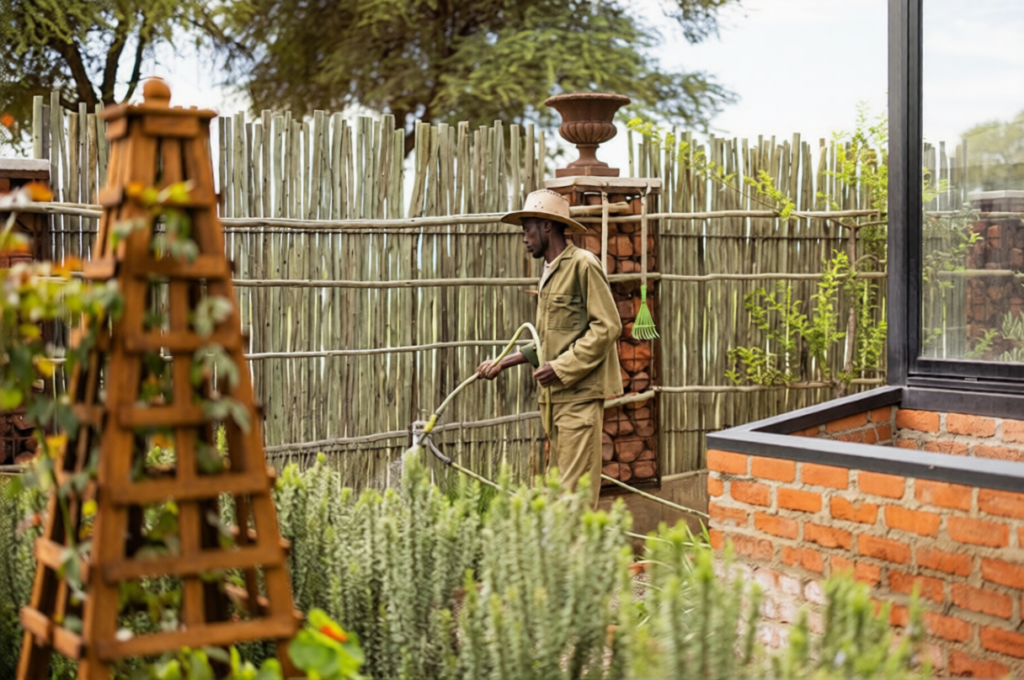
Traditional African systems often operated on principles of necessity, stewardship, and continuity.
Resources were used carefully because scarcity was understood intimately.
This created natural systems of efficiency.
People consumed with intention because waste carried visible consequences.
Nothing was treated as endlessly disposable.
“Before sustainability became a movement, it was simply wisdom practiced daily.” — Canon Otto
This mindset shaped everything from food systems to housing, agriculture, textiles, and communal resource use.
Repair Culture Was Normal
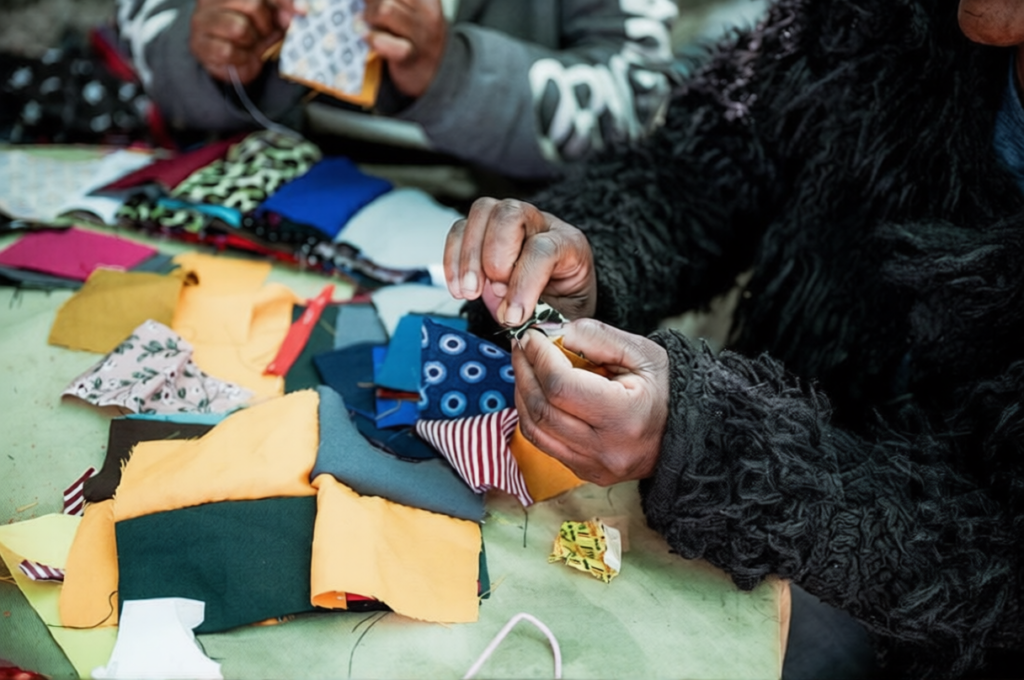
Modern consumer culture often encourages disposal over maintenance.
But in many African communities, repair was not an alternative—it was the default.
Items were:
- Mended
- Repurposed
- Passed down
- Adapted for secondary use
Clothing was repaired repeatedly.
Household items were maintained for longevity.
Containers were reused across functions.
This was not framed as environmentalism.
It was practical intelligence.
At CleanCyclers, this aligns closely with circular economy principles.
Extend value. Delay waste. Maximize utility.
Food Systems Minimized Waste
Traditional African food culture was often inherently low-waste.
Food systems emphasized:
- Whole-use cooking
- Preservation methods such as drying, fermenting, and smoking
- Seasonal consumption
- Communal sharing
Leftovers were creatively repurposed rather than discarded.
Agricultural systems were closely tied to local ecosystems and seasonal rhythms.
This reduced both waste and overconsumption.
Through SustainabilityUnscripted, we highlight this as a critical lesson for modern systems increasingly disconnected from food origin and value.
Packaging Was Minimal and Often Biodegradable
Before plastic dependency, many African communities relied on locally available materials for packaging and storage.
Examples included:
- Leaves
- Calabashes
- Clay pots
- Raffia materials
- Woven baskets
These materials were:
- Reusable
- Repairable
- Biodegradable
At CleanCyclers, this is a powerful reminder that sustainable packaging is not a futuristic concept.
In many ways, it is a return to intelligent tradition.
“What modern systems now call innovation was once ordinary practice in many African communities.” — CanonOtto
Community Resource Sharing Reduced Excess Consumption
Individual ownership was often balanced with communal access.
Many communities normalized shared use of:
- Tools
- Agricultural equipment
- Land resources
- Storage systems
- Communal infrastructure
This reduced unnecessary duplication and resource inefficiency.
In essence, communities practiced collaborative consumption long before it became a sustainability concept.
This reflects an important principle:
Access can sometimes be more sustainable than ownership.
Respect for Nature Was Cultural, Not Optional
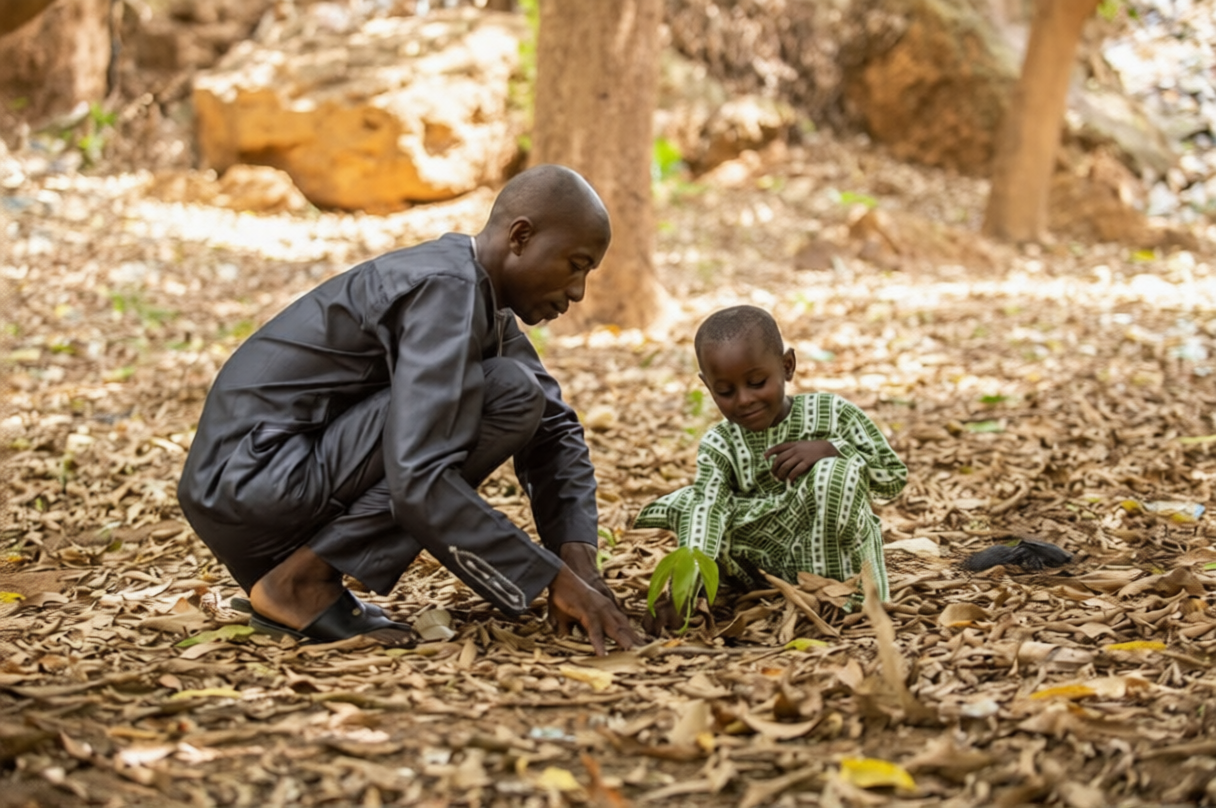
Many traditional African belief systems embedded ecological respect into culture.
Certain forests, rivers, and natural spaces were treated with reverence.
Not merely for spiritual reasons—but because communities understood dependence on ecological systems.
There were cultural rules governing:
- Harvest timing
- Hunting practices
- Land use
- Water access
These practices functioned as informal environmental governance systems.
At CleanCyclers, we recognize this as evidence that sustainability is strongest when it is culturally embedded—not externally imposed.
The Problem: Losing Traditional Wisdom to Disposable Modernity
As societies modernized, many of these practices weakened.
Disposable systems replaced durable ones.
Convenience culture replaced intentionality.
Imported consumption habits began to overshadow local resource wisdom.
This shift has created:
- Increased waste generation
- Plastic dependency
- Declining repair culture
- Disconnection from resource value
Through SustainabilityUnscripted, we believe one of the most important sustainability conversations in Africa is not simply innovation.
It is recovery of forgotten wisdom.
Tradition and Innovation Must Work Together
This is not an argument to romanticize the past or reject modern systems.
Rather, it is an invitation to integrate wisdom with innovation.
Africa’s sustainability future should combine:
- Traditional resource consciousness
- Modern circular economy systems
- Scalable waste management infrastructure
- Localized innovation
At CleanCyclers, this is central to our philosophy.
We do not believe sustainability in Africa requires starting from zero.
We believe it requires reconnecting with principles that already existed.
Sustainability as Cultural Memory
Perhaps one of the greatest mistakes in sustainability discourse is assuming solutions must always be imported.
But Africa possesses deep indigenous knowledge systems around:
- Resource management
- Waste minimization
- Community resilience
- Regenerative living
These systems are not relics.
They are assets.
“Sometimes progress is not about inventing something entirely new—but remembering what once worked wisely.” — CanonOtto
The CleanCyclers Perspective
At CleanCyclers, we are building modern waste and circular economy solutions.
But we also recognize the value of cultural alignment.
The most effective sustainability systems are those that resonate with local realities and historical behaviors.
This is why our work is not only technical.
It is cultural.
Through SustainabilityUnscripted, we continue to advocate for sustainability models that are both innovative and contextually grounded.
A Final Reflection
Africa does not need to borrow sustainability as though it is a foreign concept.
In many ways, sustainability is already part of our historical DNA.
The challenge is not invention alone.
It is remembrance.
Can we recover:
- Resource discipline?
- Repair culture?
- Communal responsibility?
- Respect for ecological systems?
Can we merge tradition with modernity intelligently?
Because the future of sustainability in Africa may not lie only in new technologies.
It may also lie in rediscovering what previous generations already understood.
That resources are finite.
Waste has consequence.
Community matters.
And nature must be respected.
At CleanCyclers, through SustainabilityUnscripted, this is the future we believe Africa can lead.
Not by abandoning its traditions.
But by learning from them.