

By Amb. Canon Otto, Convener, Global Sustainability Summit & Founder, CleanCyclers
The most powerful sustainability lesson does not begin in a conference hall or a policy document.
It begins at home.
In living rooms, kitchens, school runs, and weekend routines, children are quietly learning how to relate to the world around them. At CleanCyclers, we believe that if sustainability is to endure, it must be taught early — not as a burden, but as a way of life.
Through conversations on SustainabilityUnscripted and reflections shared at the Global Sustainability Summit, one truth continues to guide our work: children raised with environmental consciousness grow into adults who protect their planet instinctively.
Why Family-Centered Sustainability Matters
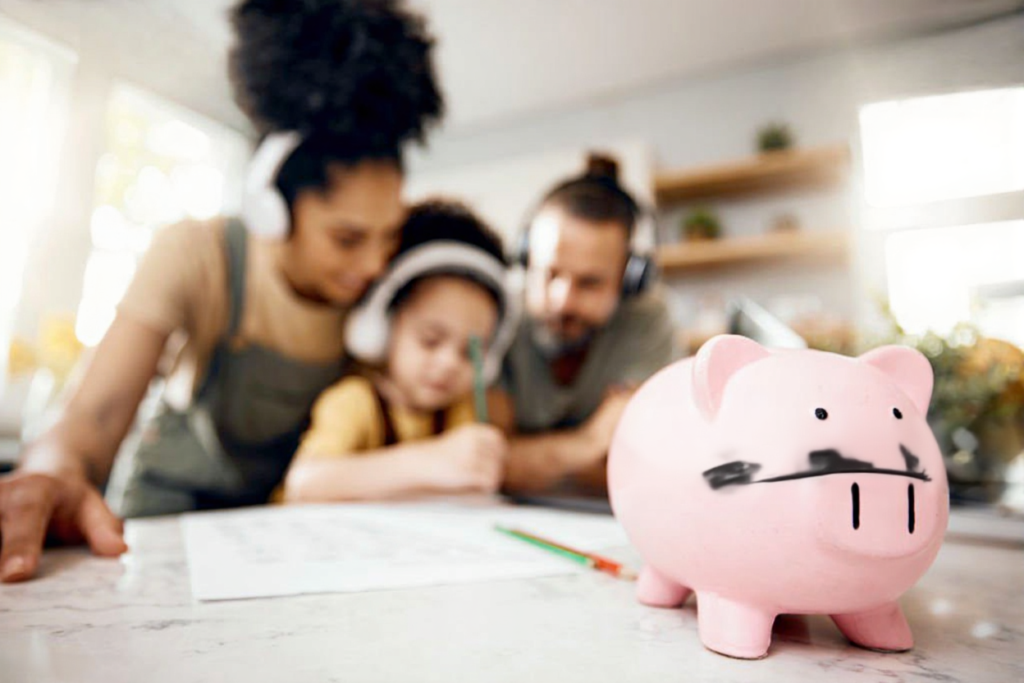
Children do not learn sustainability through lectures — they learn through observation. They watch how adults treat waste, energy, food, and nature. What they see repeated becomes normal.
When families practice small eco-friendly habits together, sustainability becomes:
- Relatable
- Enjoyable
- Practical
- Long-lasting
As CanonOtto, I often remind parents and caregivers that the habits we normalize today will shape the planet our children inherit tomorrow.
🌱 Planting Trees: Growing Responsibility With Roots
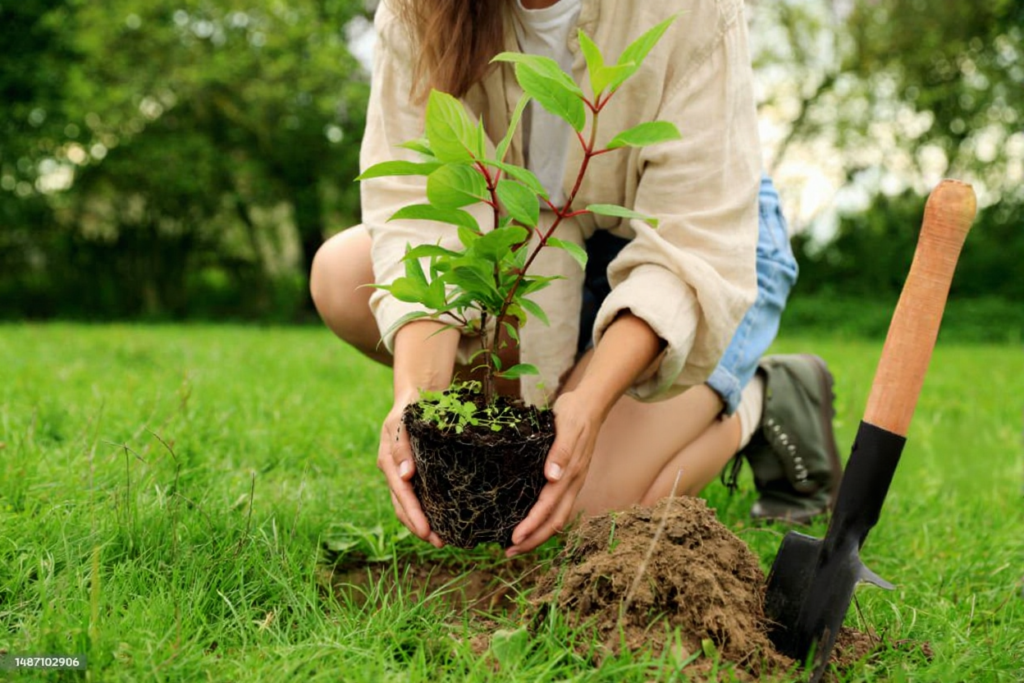
Planting a tree is one of the most meaningful ways to introduce children to environmental care.
When a child plants a tree, they learn:
- Patience — trees take time to grow
- Responsibility — plants need care
- Connection — nature responds to attention
Families can start small:
- Plant fruit trees in home gardens
- Grow herbs in containers or recycled bottles
- Participate in community tree-planting days
At CleanCyclers, we see tree planting not just as environmental action, but as character building. A child who nurtures a plant understands stewardship.
♻️ Sorting Waste: Turning Recycling Into a Family Game
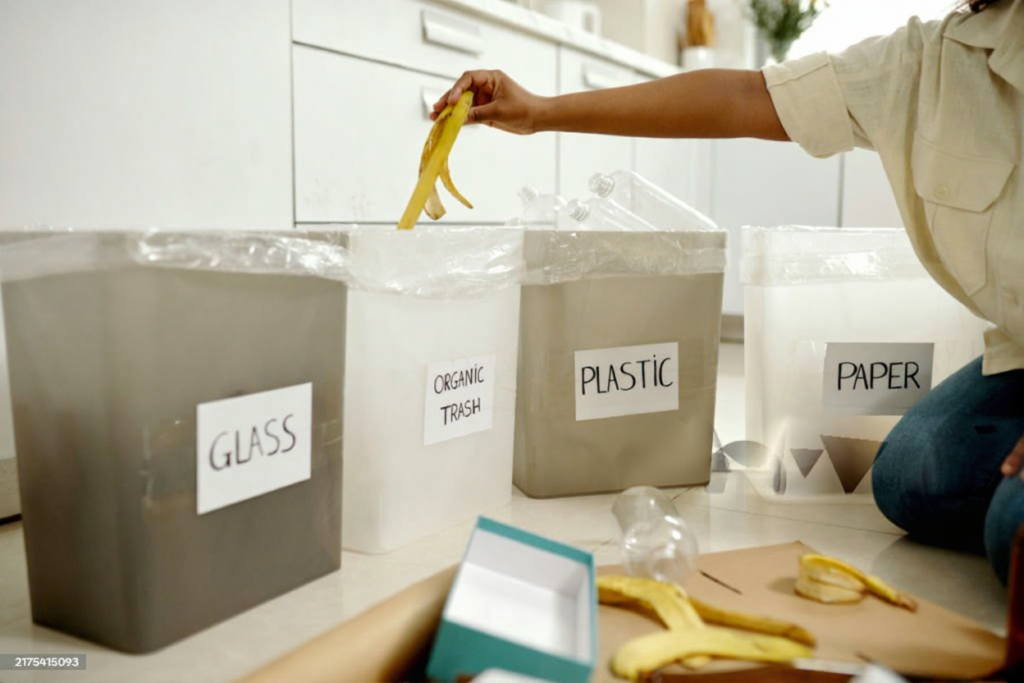
Waste separation does not have to feel technical or dull. For children, it can become a fun daily activity.
Simple steps include:
- Using color-coded bins at home
- Teaching children what goes into recycling versus general waste
- Turning sorting into a challenge or reward system
By involving children in waste sorting, families help them understand that waste does not disappear — it goes somewhere. This awareness aligns strongly with the circular economy principles championed by CleanCyclers.
Through SustainabilityUnscripted, we consistently emphasize that recycling education works best when it starts young and stays simple.
💡 Reducing Energy Waste: Making Conservation a Daily Habit
Children are naturally curious. This curiosity can be channeled into energy-saving habits that quickly become routine.
Families can encourage children to:
- Turn off lights when leaving a room
- Unplug unused chargers
- Use natural light during the day
- Limit unnecessary screen time
These actions teach children that energy is valuable — not endless. Over time, these habits reduce household costs while building environmental awareness.
As I often share at the Global Sustainability Summit, sustainability succeeds when it becomes habitual, not heroic.
🌍 Teaching by Example: The Most Powerful Lesson
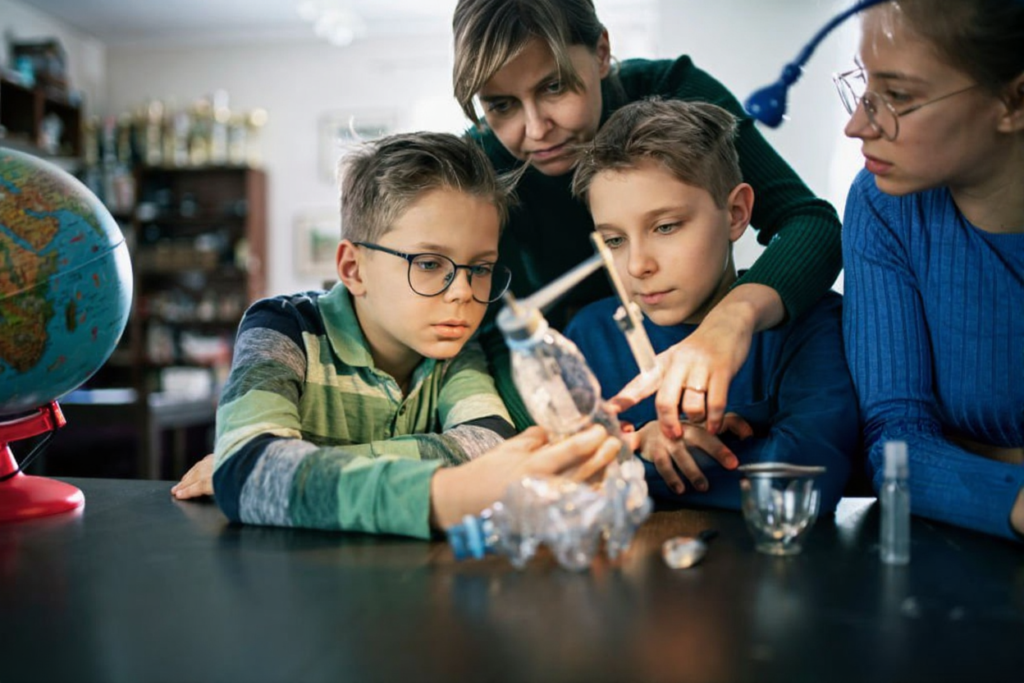
Children are not inspired by instructions alone. They are inspired by consistency.
When parents:
- Carry reusable bags
- Avoid unnecessary plastics
- Repair instead of replace
- Choose sustainable options when possible
Children internalize these behaviors without being told. At CleanCyclers, we believe modeling sustainability is far more effective than explaining it.
This philosophy is central to our storytelling approach on SustainabilityUnscripted — showing real people living sustainability, not just talking about it.
Making Sustainability Fun, Not Fearful
One of the most important lessons for families is this: sustainability should inspire hope, not anxiety.
Children should associate caring for the planet with:
- Creativity
- Teamwork
- Pride
- Purpose
Eco-friendly activities should feel empowering, not overwhelming. When sustainability feels positive, children grow into confident environmental stewards rather than fearful observers.
A Canon Otto Reflection
At the Global Sustainability Summit, I once shared a simple but enduring thought:
“If we teach our children to respect the planet today, we will not need to beg them to protect it tomorrow.”
— Amb. Canon Otto (CanonOtto)
CleanCyclers’ Commitment: Building Sustainability From the Family Up
At CleanCyclers, our vision of a circular, climate-resilient future begins with people — and families are at the heart of that journey. By integrating sustainability into daily family life, we build communities that naturally protect their environment.
Through innovation, advocacy, and education shared via SustainabilityUnscripted, we remain committed to making sustainability practical, relatable, and achievable for every household.
When families lead, children follow — and the planet benefits.