

By Amb. Canon Otto
There are certain routines we perform so frequently that we never stop to question their impact.
Laundry is one of them.
It is automatic. It is habitual. It is necessary.
But rarely do we consider that this simple act—washing our clothes—has a direct and ongoing effect on the environment.
At CleanCyclers, we believe sustainability is found in these overlooked spaces. Because the truth is clear:
What we do repeatedly shapes the future we live in.
The Environmental Cost of Clean Clothes
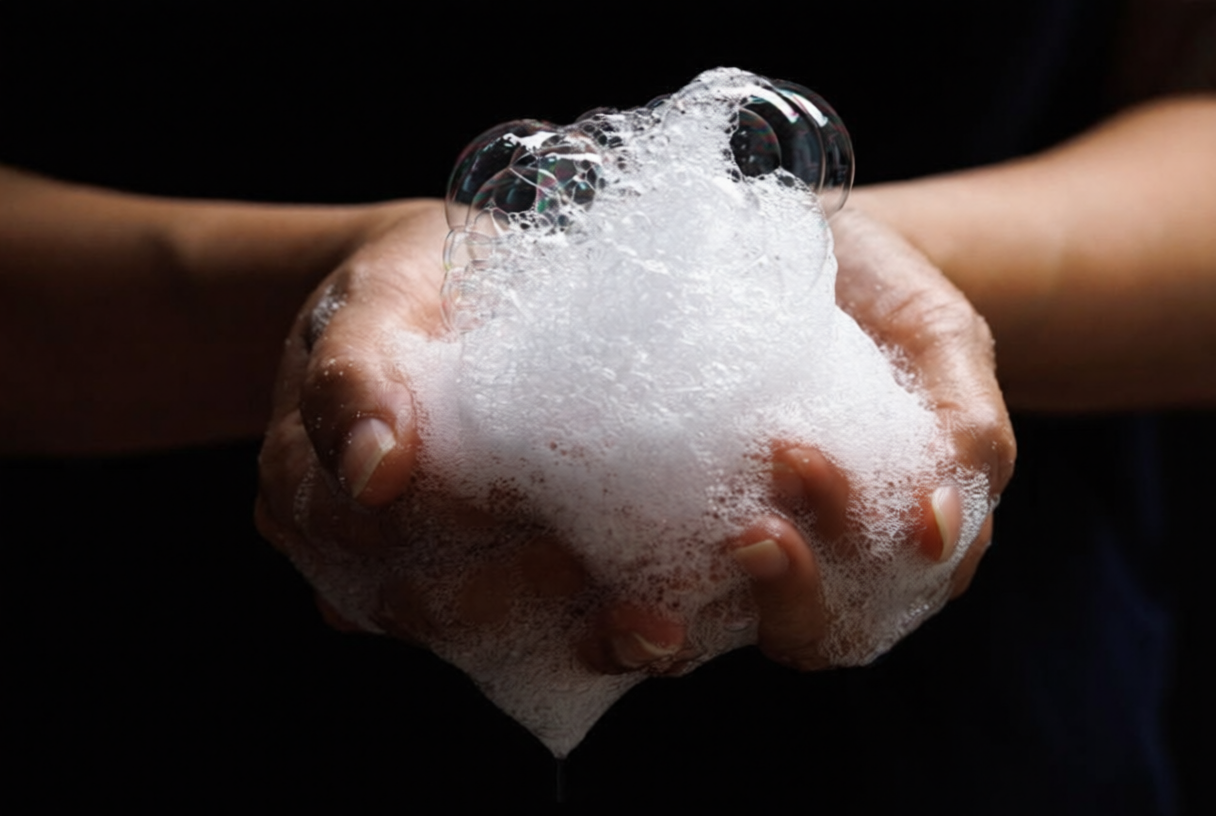
Behind every load of laundry lies a chain of environmental consequences:
- Significant water consumption
- Energy usage from washing and drying
- Chemical pollution from detergents
- Microfiber pollution entering waterways
These impacts are not visible in our homes—but they are very real in our ecosystems.
Through SustainabilityUnscripted, we continue to emphasize that sustainability is not just about what we see. It is about what we fail to see—but continue to do.
The Hidden Threat: Microfiber Pollution
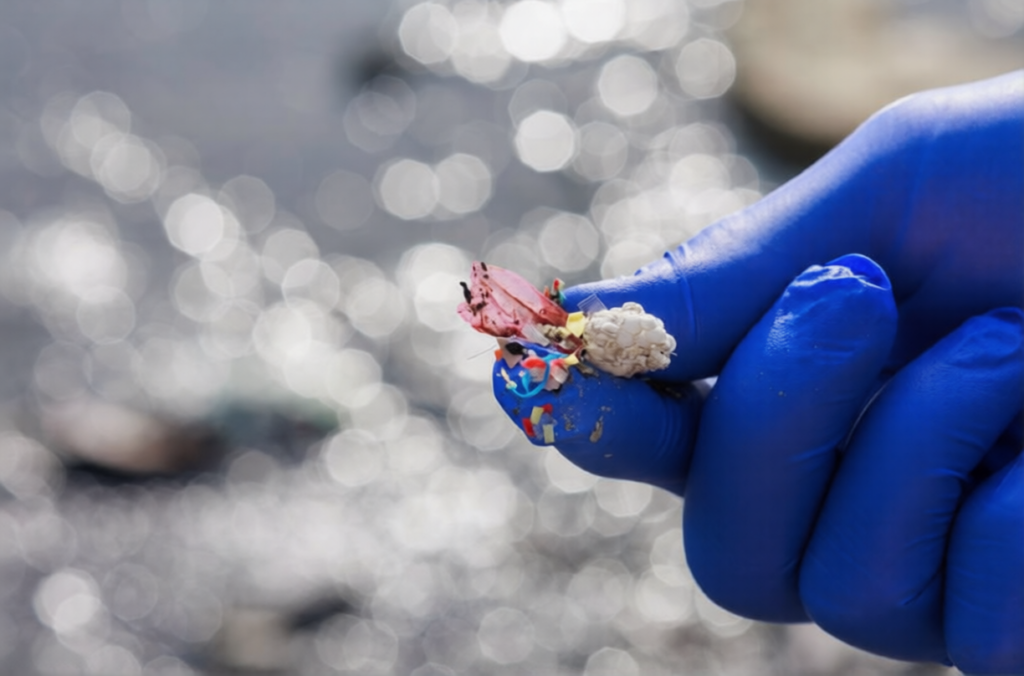
One of the most critical yet under-discussed issues in modern laundry is microfiber pollution.
Synthetic fabrics—such as polyester and nylon—release tiny plastic fibers during washing. These microfibers pass through water systems and end up in rivers, oceans, and even the food chain.
This means that a simple wash cycle can contribute to long-term environmental damage.
“The most dangerous impact is often the one we cannot see.” — CanonOtto
Rethinking Laundry: From Routine to Responsibility
Sustainable laundry is not about abandoning cleanliness. It is about redefining how we clean.
At CleanCyclers, we advocate for practical, accessible changes that align daily living with environmental responsibility.
Simple Shifts That Make a Big Difference
1. Wash Less, Wear More
Not every piece of clothing needs to be washed after one use.
Overwashing:
- Wastes water and energy
- Shortens the lifespan of clothes
- Increases microfiber release
Extending wear between washes is one of the simplest ways to reduce impact.
2. Use Cold Water
Heating water consumes a large portion of energy in laundry.
Switching to cold water:
- Reduces energy usage significantly
- Preserves fabric quality
- Maintains effective cleaning for most garments
This is sustainability that is both environmental and economical.
3. Choose Eco-Friendly Detergents
Many conventional detergents contain chemicals that harm aquatic life when released into water systems.
Opting for biodegradable, eco-friendly alternatives reduces chemical pollution and supports healthier ecosystems.
At CleanCyclers, we emphasize that what leaves your home eventually enters the environment.
4. Air Dry When Possible
Dryers consume high amounts of energy.
Air drying:
- Eliminates energy use from drying
- Extends the life of clothing
- Reduces carbon footprint
Sometimes, the most sustainable solution is also the simplest.
5. Be Mindful of Fabric Choices
The type of clothing we buy affects how sustainable our laundry habits can be.
Natural fabrics like cotton (when responsibly sourced) tend to release fewer harmful fibers compared to synthetic materials.
This connects consumption directly with environmental impact—a key principle we highlight on SustainabilityUnscripted.
6. Use Full Loads
Running half-full washing machines wastes both water and energy.
Maximizing each load increases efficiency and reduces overall resource consumption.
The Behavioral Shift We Need
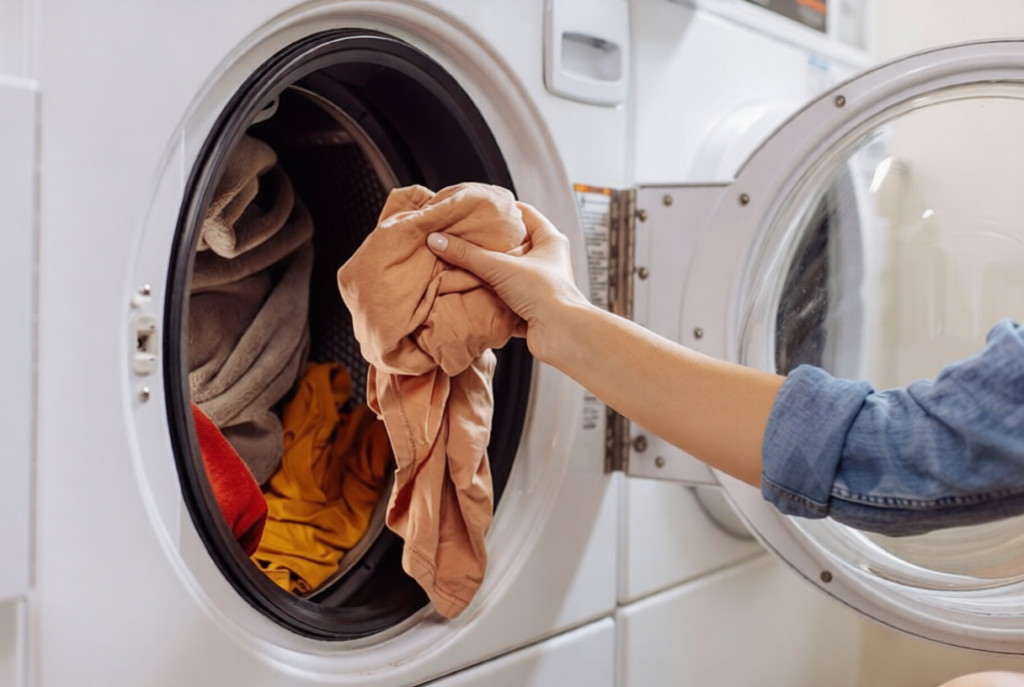
Laundry is not just a technical process—it is a behavioral one.
We wash because it is routine, not always because it is necessary.
Through SustainabilityUnscripted, we continue to explore this gap between habit and awareness. Sustainability requires us to pause, rethink, and act with intention.
Because:
“Sustainability is not about changing everything. It is about changing what we repeat.” — CanonOtto
From Individual Habits to Global Impact
Imagine millions of households adopting just a few of these changes:
- Reduced energy demand
- Lower water consumption
- Less chemical pollution
- Decreased microfiber release
This is how everyday actions scale into environmental transformation.
As convener of the Global Sustainability Summit, I have witnessed global commitments toward sustainability. But these commitments rely heavily on individual participation.
And that participation is expressed through daily routines—like laundry.
The CleanCyclers Perspective
At CleanCyclers, we are redefining sustainability as a lifestyle, not a concept.
We believe:
- Waste is often a result of unconscious behavior
- Environmental impact is embedded in daily routines
- Real change begins with awareness and consistency
Laundry may seem small—but it is part of a much larger system of consumption and impact.
A Final Reflection
The clothes we wear tell a story.
But so do the ways we care for them.
Every wash cycle is a choice:
- A choice of energy
- A choice of water
- A choice of impact
The question is not whether we will continue doing laundry.
The question is whether we will do it differently.
Because in the end, sustainability is not built through occasional effort—it is built through everyday discipline.