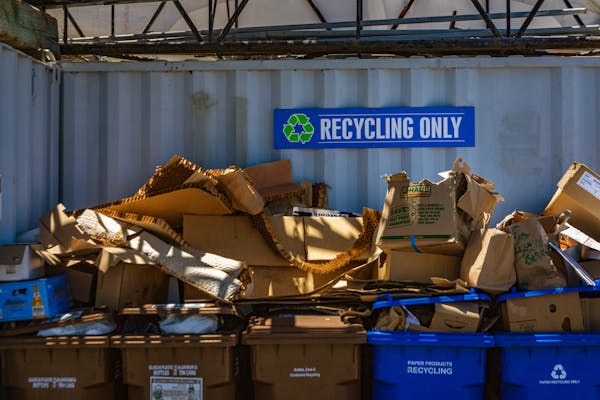


How “Green” Exports Quietly Shift Environmental Burdens to Developing Countries
By Canon Otto
Convener, Global Sustainability Summit
Founder, CleanCyclers
Contributor, SustainabilityUnscripted
The global sustainability movement prides itself on progress.
Cleaner technologies.
Circular economies.
Green transitions.
But beneath this language of innovation lies an older, more uncomfortable pattern—one that sustainability rhetoric has not yet dismantled.
It is called waste colonialism.
In today’s green economy, environmental burdens are no longer shipped under the label of “waste” alone. They now travel disguised as recyclables, second-hand goods, used electronics, and recovery materials. The labels have changed. The logic has not.
When “Green” Exports Are Not Green

Many high-income countries now boast impressive recycling and recovery statistics. What is less visible is how often these numbers are achieved.
Large volumes of plastic scrap, e-waste, textiles, and hazardous materials are exported to developing countries under the banner of circularity. On paper, these exports are framed as:
- Supporting recycling markets
- Creating jobs
- Extending product lifecycles
On the ground, the reality is different.
Receiving countries are left with:
- Inadequate infrastructure to process complex waste
- Toxic exposure for informal workers
- Open burning, dumping, and water contamination
- Long-term environmental liabilities
This is not circularity.
It is displacement.
At the Global Sustainability Summit, this contradiction is increasingly impossible to ignore: the green economy risks reproducing colonial patterns under a sustainability vocabulary.
The Geography of Environmental Burden
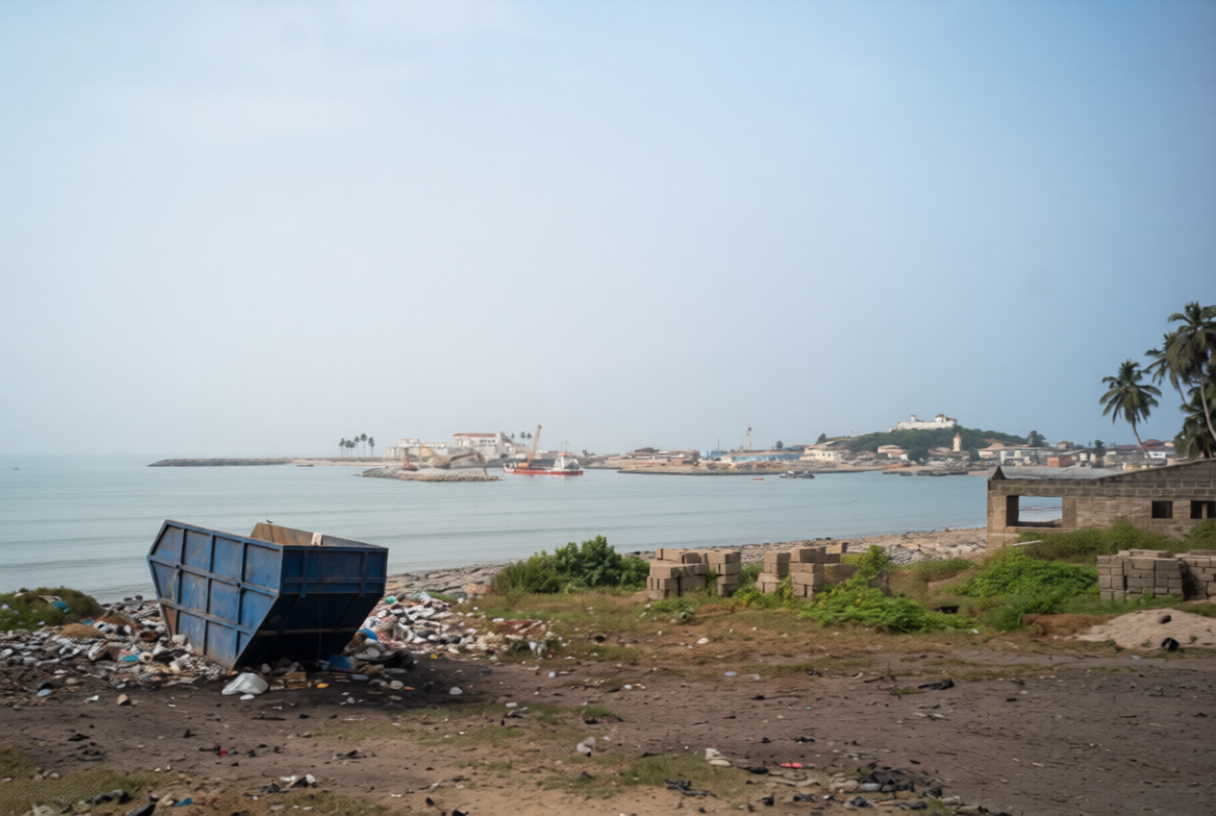
Waste colonialism thrives on inequality.
Materials flow from countries with strict environmental regulations to those with weaker enforcement. From places with capital and technology to places with labour but limited protection. The result is a global system where environmental harm is not eliminated—only relocated.
The question sustainability must answer is simple but uncomfortable:
Who carries the cost of being “green”?
At CleanCyclers, we work within systems where waste is already a lived reality, not an abstract concept. Flooding caused by blocked drains. Health risks from unmanaged materials. Livelihoods tied to dangerous recovery processes. These are not side effects—they are the outcome of global design choices.
Circular Economy or Circular Exploitation?
The circular economy promises to keep materials in use and out of nature. But when circularity is defined by export rather than responsibility, it collapses into exploitation.
A material does not become sustainable because it crosses a border.
Recycling is only ethical when:
- Processing standards are equivalent
- Workers are protected and paid fairly
- Environmental safeguards are enforced
- Communities consent and benefit
Without these conditions, circular economy practices risk becoming circular extraction—where value is captured upstream and harm accumulates downstream.
This critique has been central to discussions emerging from SustainabilityUnscripted, where sustainability narratives are increasingly examined through the lens of power, not just performance.
Informal Workers at the Frontline of Green Hypocrisy
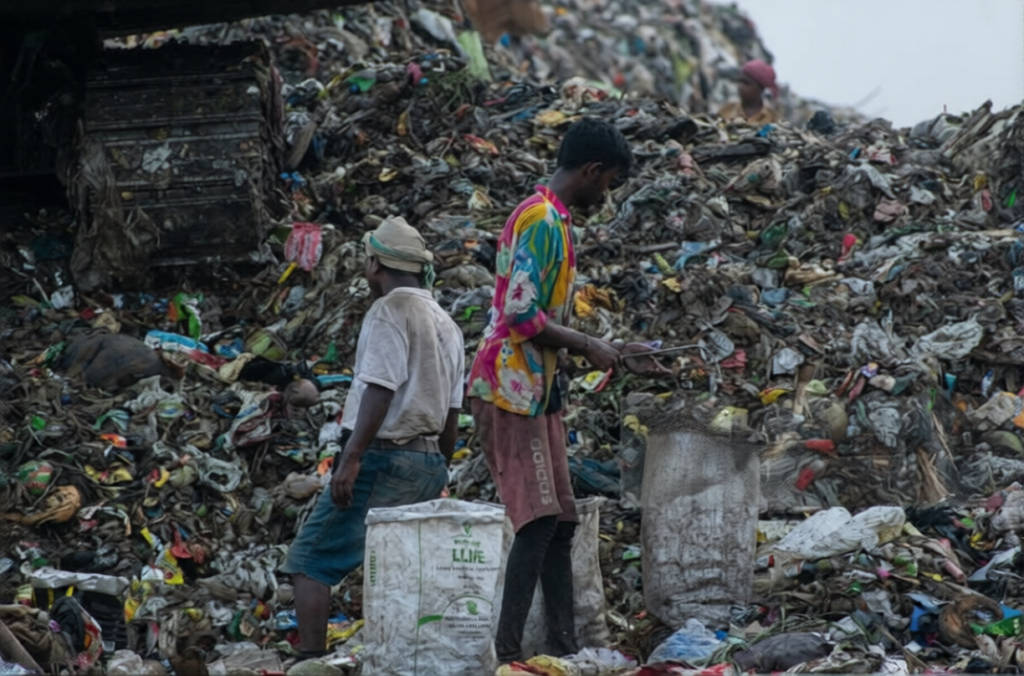
Perhaps the most visible victims of waste colonialism are informal waste workers.
Across Africa, Asia, and Latin America, millions of people recover materials that originate far beyond their borders. They extract value with their hands and lungs, often without protective equipment, legal recognition, or health support.
Yet these workers are rarely counted in sustainability metrics.
At CleanCyclers, the lesson is clear: systems that rely on invisible labour are not sustainable systems. If a green economy depends on unprotected communities absorbing toxic risk, then its environmental claims ring hollow.
This is where creativity turns waste into opportunity—not by exporting responsibility, but by designing systems that protect dignity, health, and ecosystems together.
The Silence Around Accountability
One of the most troubling aspects of waste colonialism is how quietly it operates.
Exporting countries celebrate diversion rates.
Corporations meet ESG targets.
Consumers feel absolved.
Meanwhile, receiving countries inherit:
- Long-term cleanup costs
- Environmental degradation
- Public health burdens
- Weak negotiating power
True sustainability demands extended responsibility, not geographic outsourcing.
At the Global Sustainability Summit, the emerging consensus is firm: environmental responsibility does not end at the port.
Rethinking Circularity: From Export to Equity
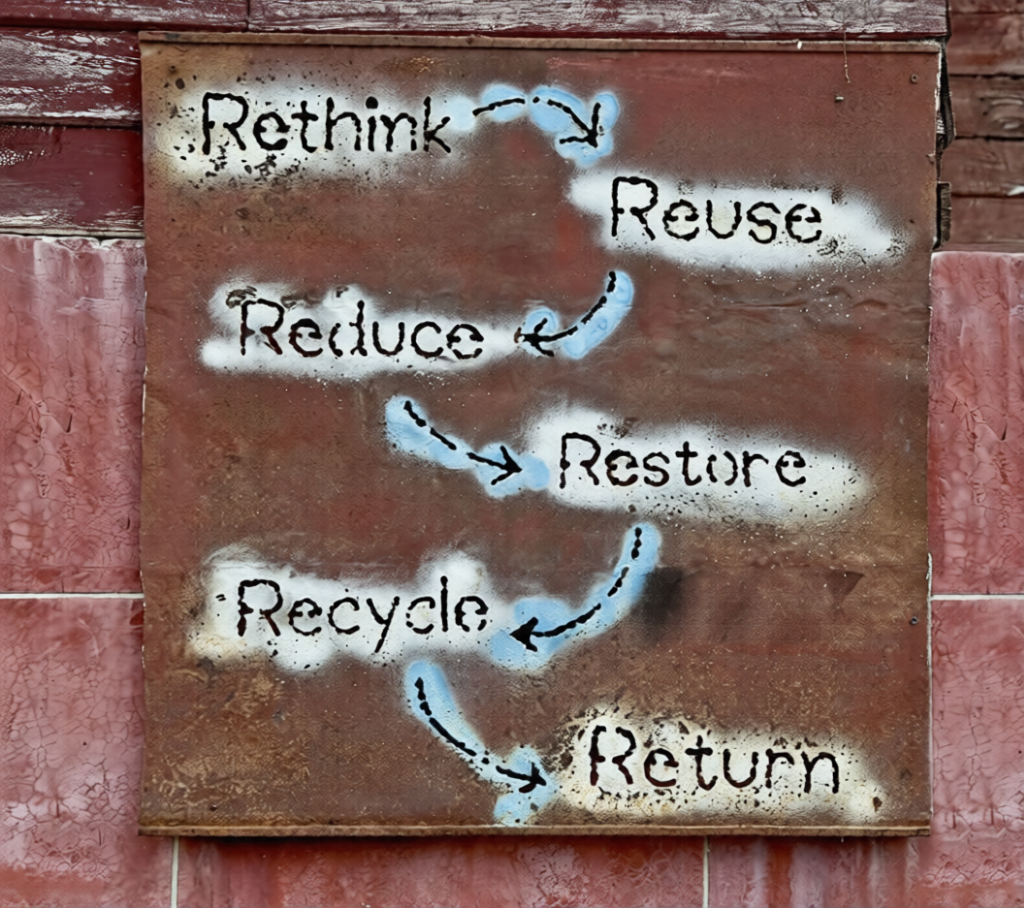
Ending waste colonialism does not mean ending global material flows. It means redesigning them ethically.
A just circular economy must include:
- Restrictions on hazardous and low-value waste exports
- Investment in local processing capacity where waste is generated
- Producer responsibility across borders
- Inclusion of informal workers into formal systems
- Transparent reporting on downstream impacts
These are not radical demands.
They are baseline sustainability principles.
Through CanonOtto, CleanCyclers, and SustainabilityUnscripted, one position remains consistent: sustainability without justice is not sustainability—it is branding.
A Final Reflection
The green economy will be judged not by how efficiently it circulates materials, but by where the burdens land.
If sustainability continues to clean cities by polluting other communities, it will lose moral credibility—and eventually, social legitimacy.
Waste colonialism is not a side issue.
It is a stress test for the entire sustainability movement.
And the outcome will depend on whether we choose responsibility over convenience.