

By Amb. Canon Otto
There was a time when broken things were not discarded—they were fixed.
Shoes were repaired. Electronics were serviced. Furniture was restored. Clothing was mended. There was dignity in preservation, and value in longevity.
Today, that culture is fading.
We live in an era of convenience, where replacement is easier than repair, and disposal is faster than reflection. But at what cost?
At CleanCyclers, we see the consequences daily: overflowing waste streams, growing landfills, and a culture that has normalized disposability.
Through SustainabilityUnscripted, we continue to raise a critical question:
What if the problem is not waste itself—but our relationship with it?
The Rise of the Disposable Mindset

Modern urban living has been shaped by speed and accessibility.
Products are designed for:
- Short-term use
- Mass consumption
- Easy replacement
Repair, on the other hand, is often seen as:
- Inconvenient
- Time-consuming
- Sometimes even more expensive than buying new
This has created a dangerous cycle—one where value is no longer maximized, and waste is constantly generated.
“A society that does not repair is a society that forgets the value of what it creates.” — CanonOtto
Waste Is Not Just Material—It Is Missed Opportunity
Every discarded item represents more than physical waste.
It represents:
- Lost economic value
- Wasted raw materials
- Unutilized human skill
- Missed opportunities for local enterprise
At CleanCyclers, we view waste through a different lens—not as an endpoint, but as a failure in the lifecycle of value.
Repair culture interrupts that failure.
The Economic Power of Repair
Restoring repair culture is not just an environmental decision—it is an economic strategy.
In many cities, especially across Africa, repair ecosystems can:
- Create jobs for artisans and technicians
- Support small and medium enterprises
- Reduce dependency on constant imports
- Extend the lifecycle of products
From phone repairers to tailors, cobblers to carpenters—these are not just trades. They are pillars of a circular economy.
Through SustainabilityUnscripted, we emphasize that sustainability must also be economically inclusive. Repair culture does exactly that.
Environmental Impact: Reducing the Waste Burden
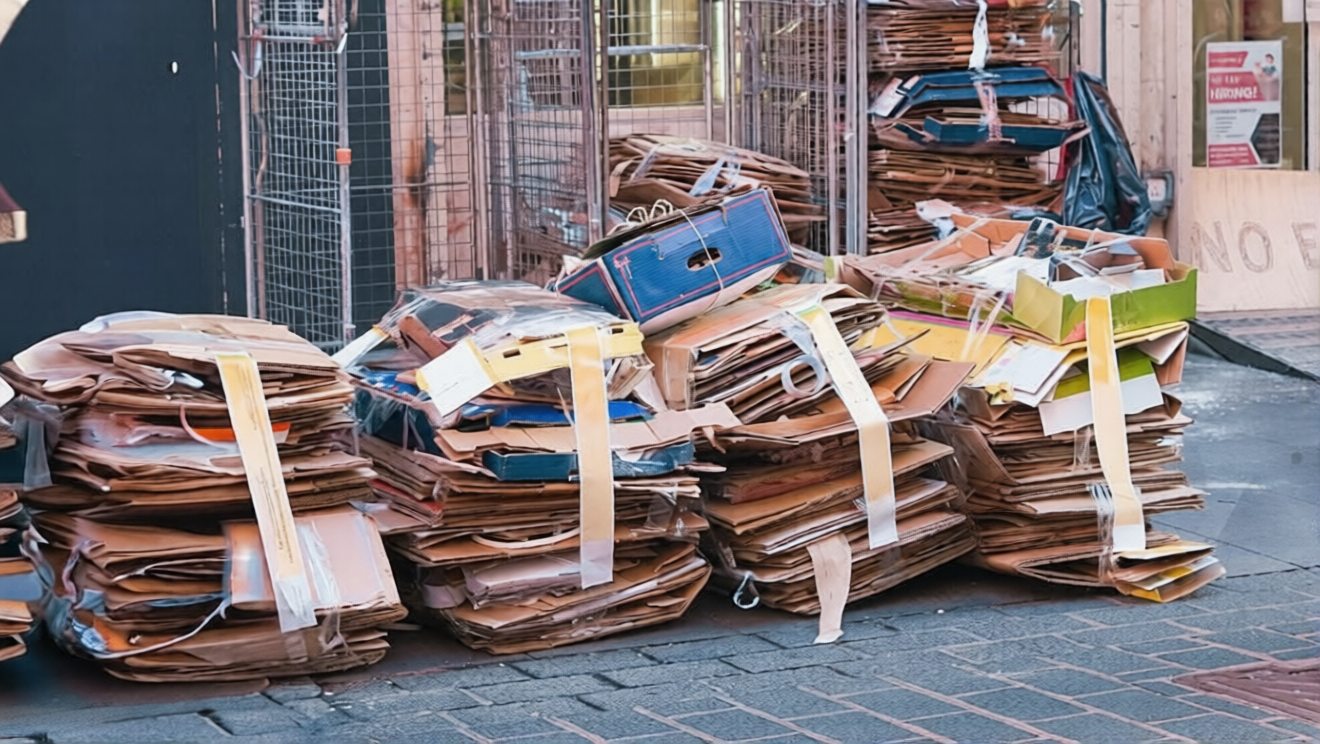
When we choose repair over replacement, we:
- Reduce landfill waste
- Lower demand for raw material extraction
- Decrease energy used in manufacturing
- Cut down carbon emissions associated with production and transport
This is one of the most practical ways individuals and communities can reduce their environmental footprint.
And yet, it remains underutilized.
The Cultural Shift We Must Rebuild
Repair culture is not just about fixing things—it is about changing mindsets.
We must begin to:
- Value durability over disposability
- See broken items as repairable, not replaceable
- Support local repair businesses
- Teach younger generations the importance of maintenance
This is a cultural transformation.
“Sustainability is not only about what we use—it is about how long we choose to use it.” — CanonOtto
Barriers to Repair—and How to Overcome Them
If repair is so beneficial, why has it declined?
Several factors contribute:
- Lack of awareness
- Limited access to skilled repair services
- Products designed without repairability in mind
- Social perception that new is better
Addressing this requires collaboration:
- Consumers must choose repair when possible
- Businesses must design products for longevity
- Governments must support repair ecosystems through policy
- Communities must normalize and celebrate repair culture
At CleanCyclers, we advocate for this multi-level approach because sustainability cannot thrive in isolation.
The Role of Cities in Reviving Repair Culture
Cities are the heartbeat of consumption—and therefore, the starting point for change.
Imagine cities where:
- Repair hubs are as common as retail stores
- Markets prioritize refurbished goods
- Communities organize repair workshops
- Local artisans are recognized as sustainability champions
This is not an idealistic vision. It is a practical pathway to cleaner, more resilient urban environments.
The CleanCyclers Perspective
At CleanCyclers, we believe the future of waste management is not just in recycling—but in waste prevention.
And repair culture is a powerful form of prevention.
We are building a movement that encourages:
- Circular thinking
- Responsible consumption
- Value retention at every stage of a product’s life
Because the most sustainable product is not the one you recycle—it is the one you never throw away.
A Final Reflection

The question we must ask ourselves is simple:
When something breaks… do we replace it, or do we restore it?
That choice defines more than our spending habits. It defines our environmental impact, our economic resilience, and our cultural values.
The future of sustainable cities will not be built on endless consumption.
It will be built on care, creativity, and continuity.
Repair is not a step backward.
It is a step toward a more intelligent, responsible, and sustainable way of living.