

By Amb. Canon Otto
There is a common tendency to speak about young people only in terms of the future.
We often say:
- “The youth are tomorrow’s leaders.”
- “The next generation will solve climate change.”
- “Young people will shape the future of sustainability.”
But at CleanCyclers, we believe this framing is incomplete.
Because the truth is:
Young people are not waiting to become climate leaders someday. Many are already leading now.
Across communities, campuses, social platforms, startups, and grassroots movements, young people are already influencing environmental conversations, reshaping sustainability culture, and challenging outdated systems.
Through SustainabilityUnscripted, we continue to emphasize a powerful reality:
Youth climate leadership is not emerging. It is already happening.
Why Young People Are Leading the Sustainability Conversation

Young people are growing up in a world where environmental consequences are increasingly visible.
They are witnessing:
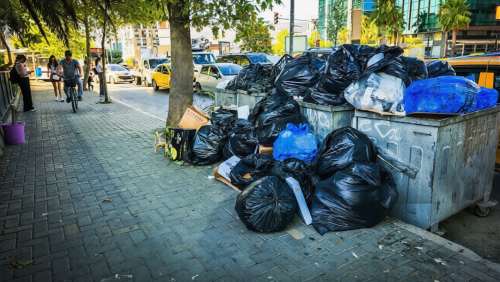
- Plastic pollution
- Flooding and environmental degradation
- Resource scarcity
- Extreme weather patterns
- Unsustainable consumption systems
Unlike previous generations, climate change is not abstract to them.
It is immediate.
This urgency has created a generation that is often:
- More environmentally aware
- More willing to challenge systems
- More open to innovation
- More comfortable with behavioral change
“Young people are not inheriting sustainability conversations passively. They are actively reshaping them.” — CanonOtto
Leadership No Longer Requires Formal Titles
One of the most significant shifts happening today is that influence is no longer limited to institutions.
Young climate leaders are creating impact through:
- Community projects
- Digital storytelling
- Recycling initiatives
- Environmental startups
- Social campaigns
- Sustainable innovation
Many are leading without formal authority.
What they possess instead is:
- Conviction
- Creativity
- Visibility
- Community influence
At CleanCyclers, we believe this decentralized leadership model is one of the defining features of modern sustainability movements.
Young People Understand the Power of Culture
Climate leadership today is not only about policy.
It is also about culture.
And young people are often at the center of cultural influence.
They shape:
- Consumption trends
- Social conversations
- Digital narratives
- Lifestyle behavior
- Community awareness
This matters because sustainability succeeds when behavior changes become culturally normalized.
Through SustainabilityUnscripted, we consistently highlight that environmental transformation is not only technical—it is social.
Innovation Is Being Driven from the Ground Up
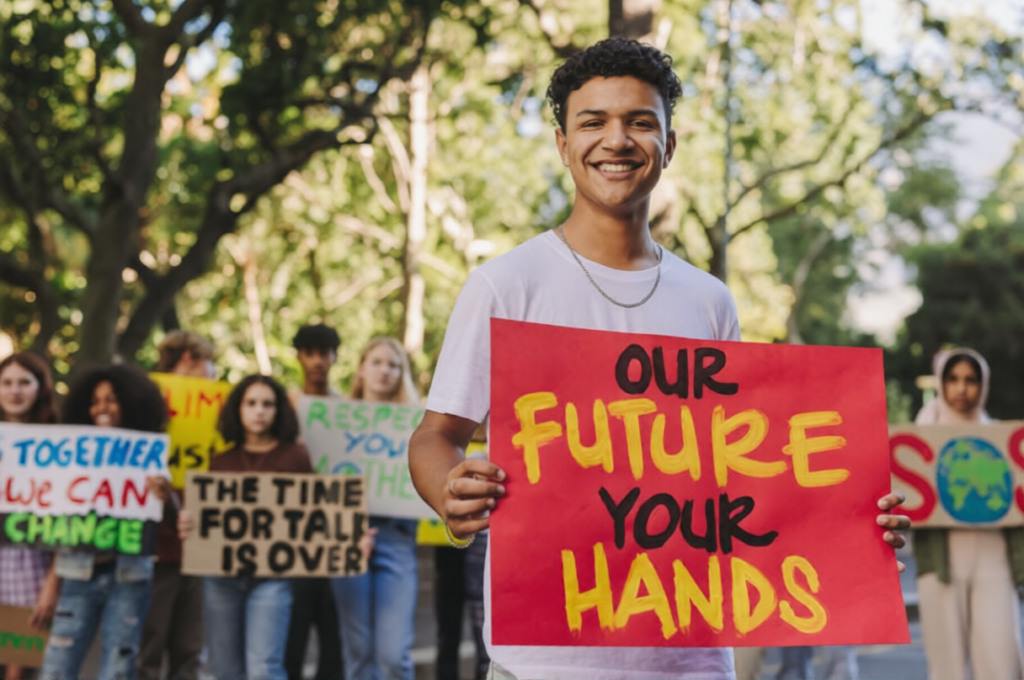
Many young climate leaders are not waiting for perfect systems before taking action.
Instead, they are creating practical solutions from available resources.
Examples include:
- Waste-to-value initiatives
- Upcycling businesses
- Circular economy startups
- Community clean-up movements
- Sustainable fashion innovation
- Educational environmental platforms
This reflects something important:
Innovation often grows fastest where urgency is highest.
At CleanCyclers, we see this creativity as one of Africa’s greatest sustainability assets.
“Youth leadership thrives because young people often see possibility where older systems see limitation.” — CanonOtto
The Digital Generation Is Accelerating Awareness
Young people understand the power of communication in ways previous generations often did not.
Through digital platforms, they are:
- Sharing environmental education
- Amplifying climate advocacy
- Building sustainability communities
- Influencing public behavior
- Making environmental issues visible globally
Awareness that once took years to spread can now circulate within hours.
This has transformed climate leadership from localized activism into globally connected movements.
Youth Leadership Is Not Just Activism
There is a tendency to reduce youth climate leadership to protest movements alone.
But leadership is broader than visibility.
Many young people are quietly leading through:
- Entrepreneurship
- Research
- Education
- Waste innovation
- Community organization
- Sustainable product design
At CleanCyclers, we believe youth leadership must be understood not only as advocacy—but as solution-building.
The Challenge Young Leaders Face
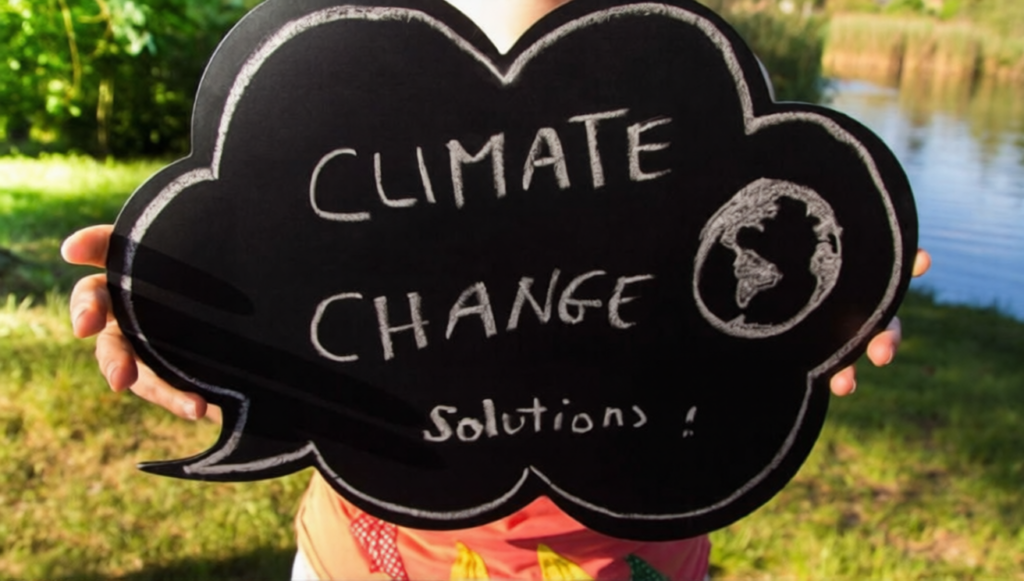
Despite growing influence, many young climate leaders still face significant barriers.
These include:
- Limited funding access
- Weak institutional support
- Lack of mentorship
- Limited visibility for grassroots initiatives
- Underestimation by older systems
This is why intergenerational collaboration matters.
Young people bring:
- Energy
- Creativity
- Digital adaptability
- Urgency
Experienced institutions bring:
- Structure
- Networks
- Resources
- Policy access
Real progress happens when both work together.
Why Africa’s Youth Matter in Global Sustainability
Africa has one of the youngest populations in the world.
This is not only a demographic fact.
It is a sustainability opportunity.
The environmental systems Africa builds over the next decades will be heavily shaped by youth behavior, youth entrepreneurship, and youth leadership.
This includes:
- Waste management systems
- Circular economy adoption
- Renewable innovation
- Sustainable urban development
- Community environmental culture
Through SustainabilityUnscripted, we continue advocating for greater investment in youth-led sustainability ecosystems across Africa.
Climate Leadership Begins with Everyday Action
Not every young person will lead a global movement.
But leadership does not always begin on large stages.
It begins through:
- Organizing a local clean-up
- Starting a recycling initiative
- Influencing peers positively
- Creating sustainable habits
- Educating communities
These actions matter.
At CleanCyclers, we believe leadership becomes powerful when consistently practiced at every level.
The CleanCyclers Perspective
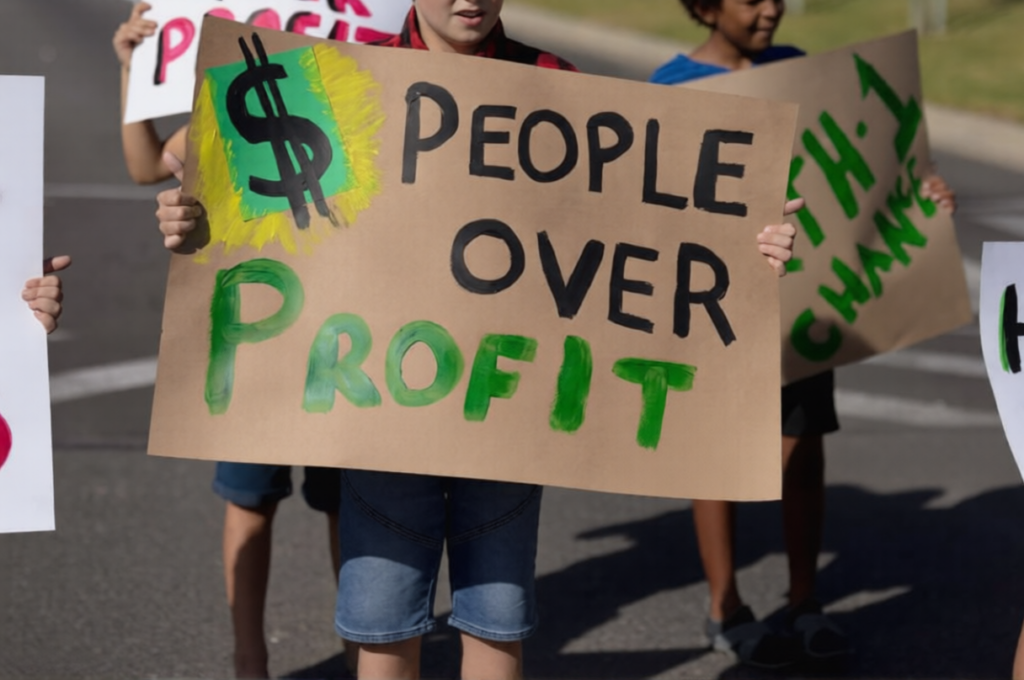
At CleanCyclers, we see young people not merely as participants in sustainability conversations—but as drivers of transformation.
That is why we support:
- Youth environmental engagement
- Circular economy awareness
- Sustainability storytelling
- Waste-to-value innovation
- Community leadership development
Because the transition toward sustainable systems will require a generation prepared not only to discuss climate issues—but to redesign systems around them.
A Final Reflection
The world often speaks about preparing young people for the future.
But perhaps the more important realization is this:
Young people are already preparing the future themselves.
The climate movement is no longer waiting for leadership to arrive later.
It is already visible:
- In classrooms
- In communities
- In startups
- On digital platforms
- In environmental initiatives happening every day
At CleanCyclers, through SustainabilityUnscripted, we believe the responsibility now is not simply to encourage youth leadership.
It is to recognize it, support it, and build systems that allow it to grow.
Because the next era of sustainability will not only be policy-driven.
It will be youth-driven.
And in many ways, that change has already begun.