


By Amb. Canon Otto, Convener, Global Sustainability Summit & Founder, CleanCyclers
There was a time when broken did not mean useless.
Across our cities and communities, people repaired what they owned. Shoes were stitched. Radios were fixed. Clothes were adjusted and redesigned. Household items were maintained, not discarded. This culture of repair was not just practical — it was sustainable.
Today, that culture is fading.
We now live in a system where replacing is easier than repairing, and convenience often overrides responsibility. At CleanCyclers, we see the consequences of this shift every day — increasing waste, growing landfills, and communities disconnected from the value of what they own.
Through conversations on SustainabilityUnscripted and insights shared at the Global Sustainability Summit, one truth continues to stand out: if we are serious about sustainability, repair culture must return.
The Rise of a Disposable Culture
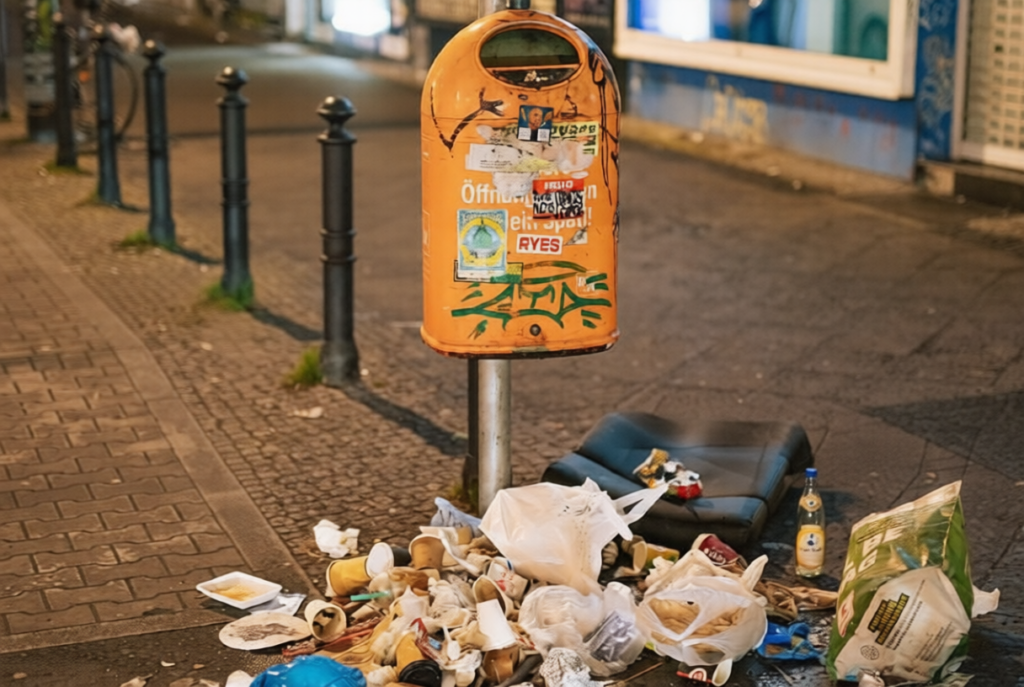
Modern consumer systems are built for speed. Products are designed to be used briefly and replaced quickly. In many cases, items are not even built to be repaired.
This “use and discard” culture has created a dangerous cycle:
- More consumption
- More waste
- More pressure on the environment
Items that could have been repaired — electronics, furniture, clothing — are thrown away prematurely. The result is not just environmental damage, but also economic loss.
As Canon Otto, I often emphasize that waste is rarely accidental — it is often the result of design and behavior combined.
Repair Culture Is Not Old-Fashioned — It Is Forward-Thinking
There is a common misconception that repair culture belongs to the past. In reality, it is one of the most relevant solutions for the future.
Repairing:
- Extends the lifespan of products
- Reduces waste generation
- Conserves resources used in production
- Supports local skills and livelihoods
- Lowers the cost of living for households
At CleanCyclers, we view repair not as a fallback option, but as a core pillar of the circular economy.
A circular city is one where products are used fully — not discarded prematurely.
The Economic Opportunity in Repair

Repair culture is not just about environmental responsibility. It is also about economic empowerment.
Across African cities, there are thousands of skilled artisans — tailors, cobblers, technicians, carpenters — whose services are often underutilized in a disposable economy.
Reviving repair culture can:
- Create jobs
- Strengthen local economies
- Build resilient community networks
- Reduce dependence on constant imports
Through SustainabilityUnscripted, we continue to highlight these hidden opportunities — showing that sustainability is not a cost, but a pathway to economic growth.
Changing the Mindset: From Replacement to Responsibility

One of the biggest barriers to repair culture is mindset.
Many people now associate new items with status, while repaired items are seen as inferior. This perception must change if sustainability is to succeed.
We must begin to ask:
- Can this be fixed instead of replaced?
- Is there someone locally who can repair this?
- Am I discarding this too quickly?
At CleanCyclers, we believe mindset change is the foundation of environmental transformation. When people begin to value longevity over convenience, entire systems begin to shift.
Repair as a Daily Sustainability Practice
Repair does not require large systems or policies to begin. It starts with simple daily decisions:
- Fix a torn piece of clothing instead of discarding it
- Repair household items before buying replacements
- Service electronics regularly to extend their lifespan
- Support local repair professionals
These actions may seem small, but they contribute significantly to reducing waste and promoting circular living.
Through SustainabilityUnscripted, we emphasize that sustainability must be practical. It must fit into everyday life.
A Canon Otto Reflection
During a session at the Global Sustainability Summit, I shared a thought that continues to resonate:
“A society that forgets how to repair will eventually drown in what it throws away.”
— Amb. Canon Otto (CanonOtto)
CleanCyclers’ Vision: Restoring Value Through Repair

At CleanCyclers, we are committed to building systems that reduce waste and promote circular solutions. Repair culture plays a critical role in this vision.
By encouraging repair over replacement, we:
- Reduce environmental pressure
- Empower local communities
- Extend the life of valuable resources
- Move closer to truly sustainable cities
Through education, advocacy, and storytelling on SustainabilityUnscripted, we continue to push for a return to practices that once defined our communities — not as nostalgia, but as necessity.
Final Thought: The Future Is Not Disposable

Sustainability is not about doing more.
It is about wasting less.
Repair culture reminds us that value does not disappear when something breaks. It simply requires attention, skill, and intention to restore it.
If we are to build cleaner cities, stronger economies, and a sustainable future, we must rediscover a simple truth:
Not everything that is broken needs to be replaced.
Some things just need to be repaired.