

By Amb. Canon Otto
When we speak about sustainability, we often think in terms of nations, policies, and global commitments.
But sustainability is not built at the top.
It is built from the ground up—street by street, community by community.
At CleanCyclers, we have come to understand a fundamental truth:
a sustainable world is simply a network of sustainable neighborhoods.
Through SustainabilityUnscripted, we continue to shift the conversation from abstract global goals to practical local realities—because that is where real, lasting change begins.
Beyond Clean Streets: Redefining Sustainability
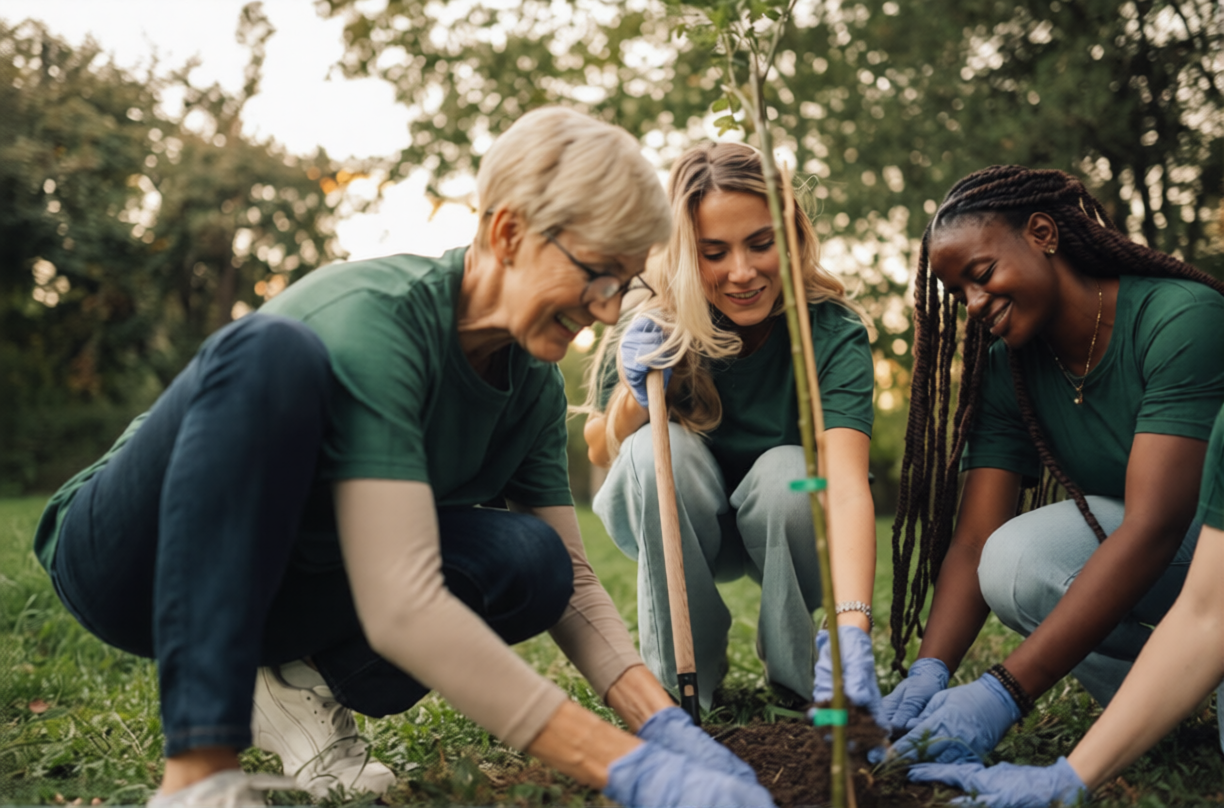
A clean neighborhood is not necessarily a sustainable one.
True sustainability goes deeper. It is not just about appearance—it is about systems, behaviors, and shared responsibility.
A truly sustainable neighborhood is one where:
- Waste is minimized and properly managed
- Resources are used efficiently
- People are environmentally conscious
- Systems support long-term resilience
“Sustainability is not what we see—it is what we sustain over time.” — CanonOtto
The Foundation: Responsible Waste Management
At the core of every sustainable neighborhood is an effective waste system.
This includes:
- Household waste segregation
- Accessible recycling systems
- Community awareness on disposal practices
- Reduced dependence on single-use materials
At CleanCyclers, we emphasize that waste management is not just an operational issue—it is a behavioral one.
Without participation from residents, even the best systems will fail.
Community Participation: The Missing Link
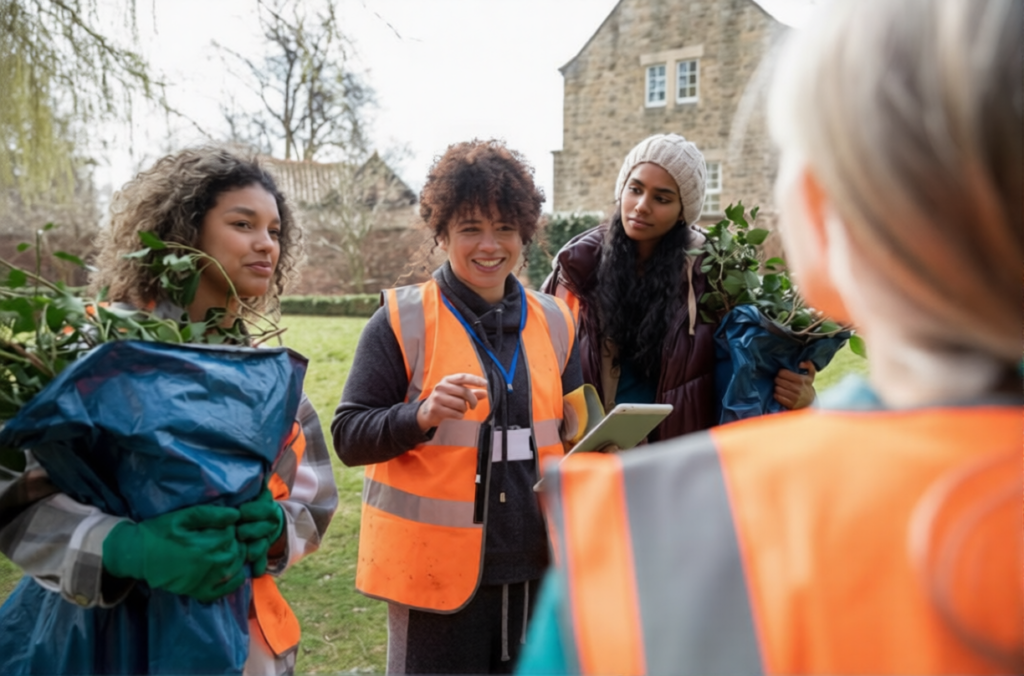
Infrastructure alone cannot create sustainability.
People do.
A sustainable neighborhood is defined by the level of engagement among its residents:
- Do people take responsibility for their environment?
- Are they aware of their impact?
- Do they influence others positively?
Through SustainabilityUnscripted, we highlight that sustainability becomes powerful when it becomes collective culture.
Because when communities act together, change accelerates.
Local Leadership and Environmental Champions
Every sustainable neighborhood has individuals who lead by example.
These are:
- Residents who advocate for cleaner environments
- Organizers of local clean-up initiatives
- Educators who spread awareness
- Innovators who create local solutions
At CleanCyclers, we recognize these individuals as environmental catalysts—they transform intention into action.
“One conscious individual can influence a street. A committed community can transform a city.” — CanonOtto
Resource Efficiency at the Local Level
Sustainability also means using resources wisely.
In practical terms, this includes:
- Efficient water usage
- Responsible energy consumption
- Shared community resources where possible
- Reduced reliance on wasteful systems
Small efficiencies, when multiplied across households, create significant environmental impact.
Designing for Sustainability
The structure of a neighborhood also plays a role.
A sustainable neighborhood considers:
- Accessibility to local markets and services
- Reduced need for excessive transportation
- Green spaces that support environmental health
- Infrastructure that supports recycling and waste reduction
This is where urban planning meets environmental responsibility.
Safety, Cleanliness, and Well-being
Sustainability is not only environmental—it is also social.
A truly sustainable neighborhood promotes:
- Clean and healthy living conditions
- Safe public spaces
- Strong community relationships
- Shared accountability
Because sustainability must improve quality of life—not complicate it.
The Role of Mindset
Ultimately, no system can succeed without the right mindset.
A sustainable neighborhood is one where residents understand that:
- Their actions matter
- Their environment reflects their behavior
- Their responsibility extends beyond their homes
Through SustainabilityUnscripted, we continue to reinforce this idea:
Sustainability is a mindset before it becomes a system.
From Neighborhoods to Cities
Cities are simply collections of neighborhoods.
If neighborhoods are unsustainable, cities will struggle.
But if neighborhoods become intentional, organized, and responsible—cities transform naturally.
At the Global Sustainability Summit, many conversations focus on large-scale change. Yet, the most scalable model is often the simplest:
Start local. Scale outward.
The CleanCyclers Vision

At CleanCyclers, our work is rooted in communities.
We are building systems and awareness that empower neighborhoods to:
- Manage waste effectively
- Adopt circular practices
- Take ownership of their environment
- Lead sustainability from the ground up
Because we believe that real impact does not begin with policy—it begins with people.
A Final Reflection
So, what makes a neighborhood truly sustainable?
It is not just infrastructure.
It is not just cleanliness.
It is not just policy.
It is people, systems, and shared responsibility working together consistently.
The future of sustainability will not be decided in isolation.
It will be decided in neighborhoods—
in how we live, how we interact, and how we take responsibility for the spaces we share.
Because when a neighborhood becomes sustainable, it does more than improve its environment.
It sets a standard for the world.