

By Amb. Canon Otto
The future of sustainability will not be decided only by policies, corporations, or global climate agreements.
It will also be shaped quietly—inside homes, around dinner tables, during school runs, and through the everyday habits children observe growing up.
At CleanCyclers, we believe one of the most powerful investments any society can make is raising children who understand responsibility toward the environment from an early age.
Because sustainability is not inherited automatically.
It is taught.
Modeled.
Repeated.
Normalized.
Through SustainabilityUnscripted, we continue to emphasize an important truth:
Climate-conscious adults are usually shaped by climate-conscious environments during childhood.
Children Learn More from Observation Than Instruction
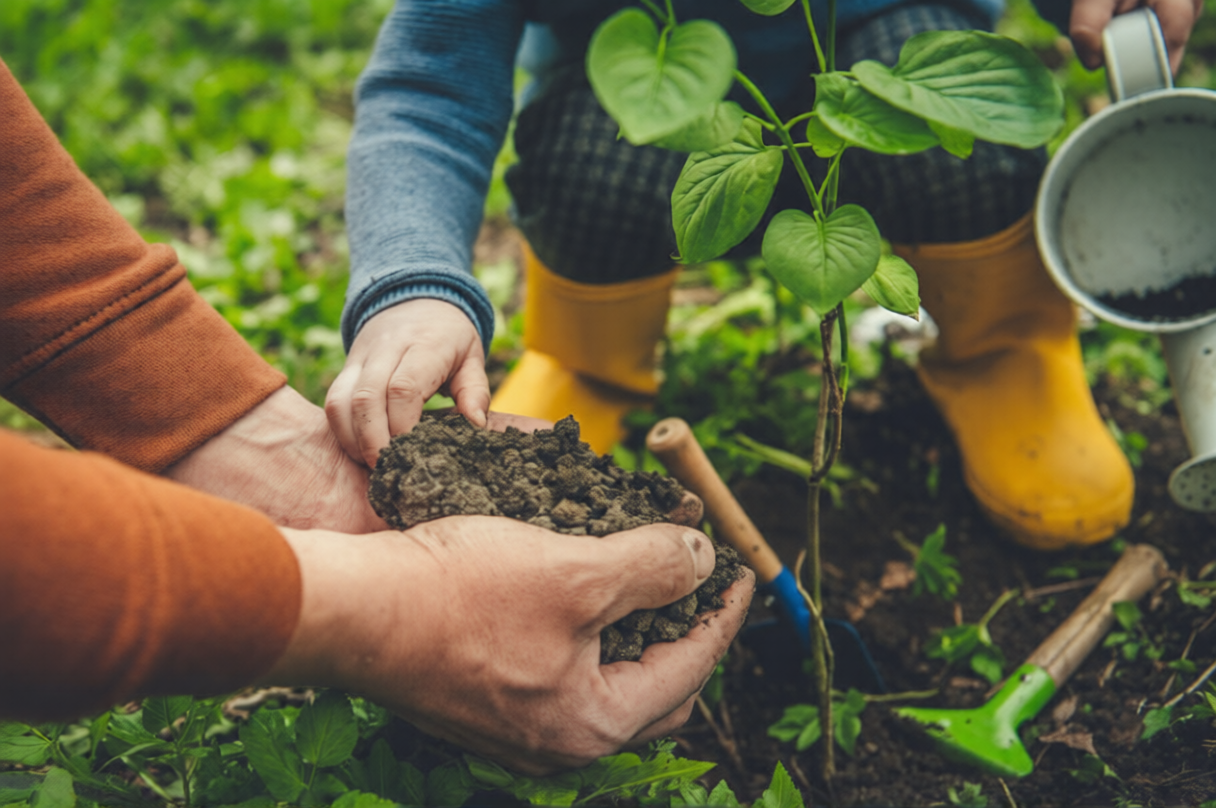
One of the greatest misconceptions about environmental education is believing it begins with formal lessons.
In reality, children learn sustainability first through behavior they repeatedly observe.
They notice:
- How adults dispose of waste
- Whether water is wasted carelessly
- How food is valued or discarded
- Whether reuse is practiced
- How public spaces are treated
These daily actions quietly shape their understanding of responsibility.
“Children do not only inherit the planet we leave behind. They inherit the habits we normalize.” — CanonOtto
At CleanCyclers, we believe sustainable parenting is less about perfection and more about consistency.
Sustainability Begins in Everyday Life
Raising climate-conscious children does not require complex systems.
It begins with simple, repeatable practices integrated into ordinary routines.
1. Teaching Respect for Resources
Children should understand that resources are not infinite.
Simple habits such as:
- Turning off unused lights
- Conserving water
- Avoiding food waste
- Using items carefully
teach resource consciousness naturally.
These small actions build long-term environmental awareness.
2. Introducing Waste Separation Early
One of the easiest ways to build sustainability awareness is through waste sorting.
Children can learn:
- What can be recycled
- What should be composted
- Why proper disposal matters
At CleanCyclers, we often emphasize that early exposure creates lifelong habits.
A child who grows up separating waste is more likely to practice responsible disposal as an adult.
3. Encouraging Reuse and Creativity
Modern consumer culture often promotes replacement over repair.
But children can be taught to see value differently.
Old containers can become storage tools.
Unused materials can become creative projects.
Worn items can be repaired or repurposed.
This teaches an important principle:
Not everything old has lost value.
Through SustainabilityUnscripted, we consistently advocate for creativity as a pathway to circular thinking.
Climate Awareness Should Empower, Not Frighten
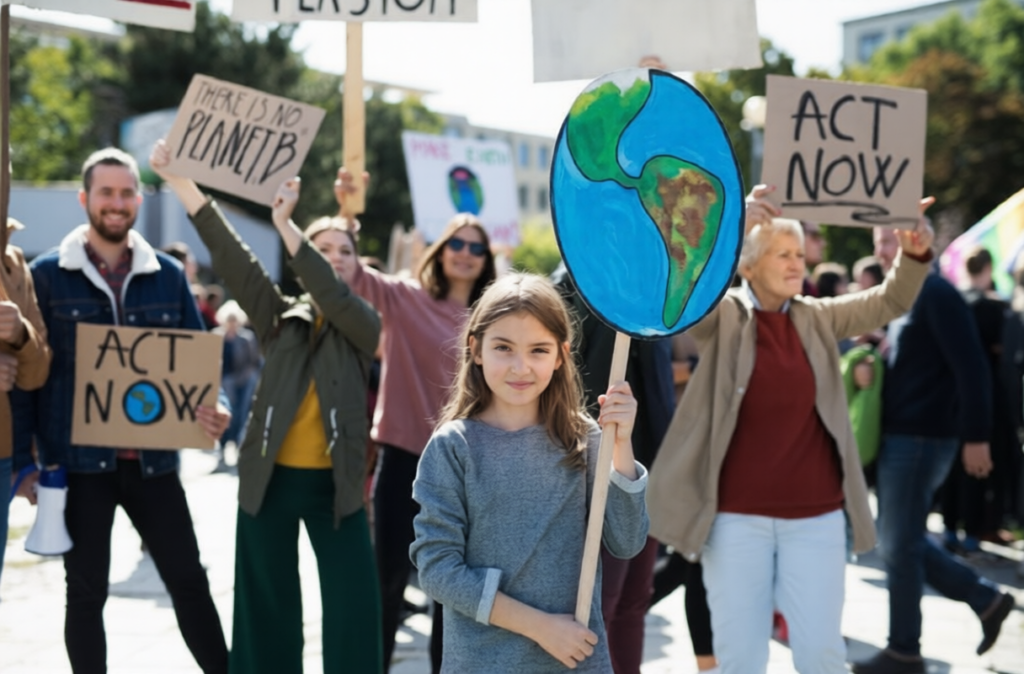
Many climate conversations today are driven by fear.
While environmental urgency is real, children should not grow up overwhelmed by hopelessness.
Instead, they should learn:
- That problems can be solved
- That individual actions matter
- That communities can improve systems
- That innovation creates opportunity
At CleanCyclers, we believe climate education should inspire responsibility—not paralysis.
“Children should grow up understanding environmental responsibility, not environmental despair.” — CanonOtto
The Role of Schools and Communities
Parents are important, but they are not alone.
Schools and communities also shape environmental behavior.
Climate-conscious environments can include:
- School recycling initiatives
- Environmental clubs
- Community clean-up exercises
- Tree planting activities
- Sustainability storytelling programs
These experiences help children connect environmental responsibility with real-world action.
Through SustainabilityUnscripted, we believe storytelling is especially powerful because stories make sustainability emotionally relatable.
Why Early Environmental Values Matter
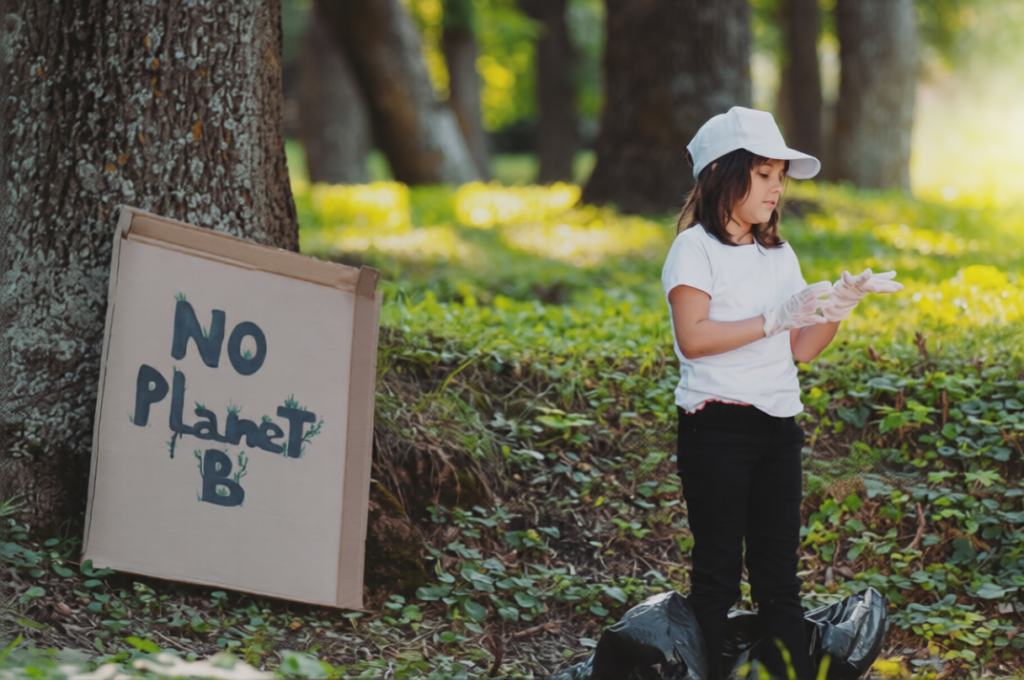
Habits formed early often persist into adulthood.
Children raised with sustainability awareness are more likely to become adults who:
- Consume consciously
- Waste less
- Support circular systems
- Respect public spaces
- Think long term
This is how generational transformation happens.
Not suddenly—but gradually, through repeated cultural reinforcement.
At CleanCyclers, we see this as one of the most scalable forms of climate action.
Parenting in a Convenience Culture
Modern systems often make unsustainable behavior easier.
Disposable products, excessive packaging, and fast-consumption culture surround children constantly.
This makes intentional parenting increasingly important.
Climate-conscious parenting may involve:
- Explaining why reusable options matter
- Choosing quality over excess consumption
- Teaching patience instead of instant replacement
- Helping children understand the impact behind products and waste
These conversations shape mindset.
And mindset shapes future behavior.
Sustainability as Character Development
Environmental responsibility is about more than protecting nature.
It also teaches:
- Discipline
- Gratitude
- Stewardship
- Long-term thinking
- Shared responsibility
In this way, sustainability contributes not only to ecological development—but personal development.
At CleanCyclers, we believe raising climate-conscious children is ultimately about raising responsible human beings.
The Future Is Being Shaped Quietly
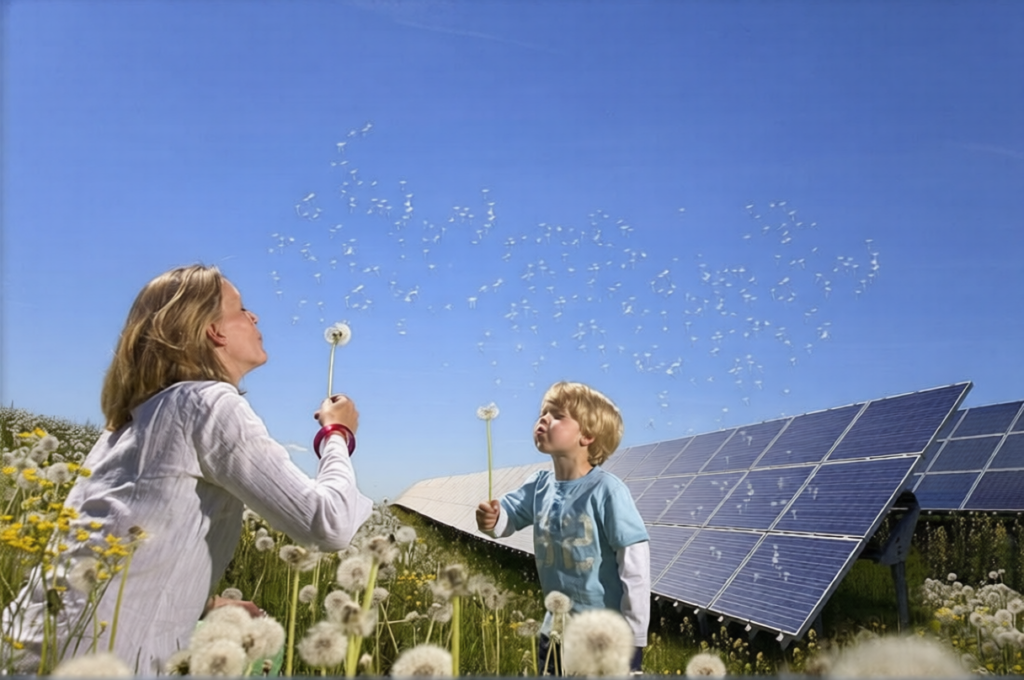
Many people imagine climate action only in large-scale terms:
- International summits
- Government policies
- Corporate sustainability targets
But some of the most important climate work happens quietly in daily life.
A child learning not to litter.
A family reducing unnecessary waste.
A school teaching environmental responsibility consistently.
These moments may appear small.
But repeated across generations, they become transformative.
The CleanCyclers Perspective
At CleanCyclers, we believe sustainability must become part of family culture—not just institutional policy.
That is why we advocate for:
- Everyday environmental education
- Practical sustainability habits
- Circular thinking from an early age
- Community-based climate awareness
Through SustainabilityUnscripted, we continue building conversations that make sustainability practical, relatable, and generational.
Because the future of climate leadership is already growing up around us.
A Final Reflection
The children of today will inherit the environmental consequences of today’s decisions.
But they will also inherit today’s habits.
The question is not only:
What kind of planet are we leaving behind?
The deeper question is:
What kind of environmental mindset are we passing forward?
Because climate-conscious children are not raised through slogans alone.
They are raised through example, repetition, and everyday responsibility.
At CleanCyclers, we believe that every small sustainable habit taught today becomes part of a larger future tomorrow.
And perhaps one of the greatest forms of climate action is this:
Raising a generation that naturally understands how to care for the world they live in.