

By Amb. Canon Otto
We live in a world that celebrates speed.
Faster delivery.
Easier access.
Instant satisfaction.
Convenience has become the standard by which modern living is measured. But beneath this comfort lies a truth we often ignore:
Convenience is not free—it comes at an environmental cost.
At CleanCyclers, we see this cost every day, not in theory, but in reality—piles of waste, increasing plastic pollution, and systems struggling to keep up with consumption patterns driven by ease rather than responsibility.
Through SustainabilityUnscripted, we continue to ask a critical question:
What are we trading for convenience—and is it worth it?
The Convenience Economy
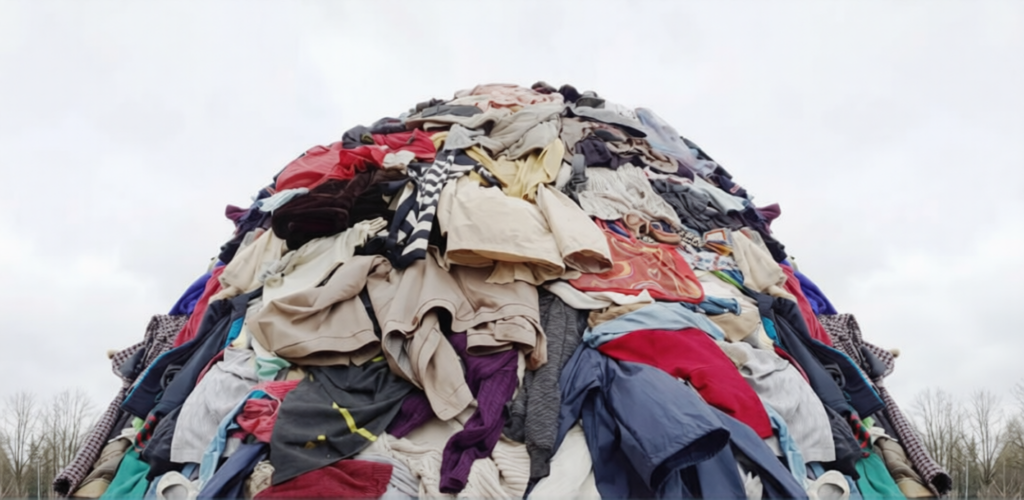
Today’s systems are designed to eliminate effort.
- Single-use packaging replaces reusable systems
- Fast fashion replaces long-lasting clothing
- Ready-to-use products replace thoughtful consumption
- Delivery culture replaces localized purchasing
These innovations are not inherently bad. They have improved access, saved time, and driven economic activity.
But they have also created a culture where waste is built into the system.
“The easier it becomes to consume, the easier it becomes to waste.” — CanonOtto
The Invisible Trail of Waste
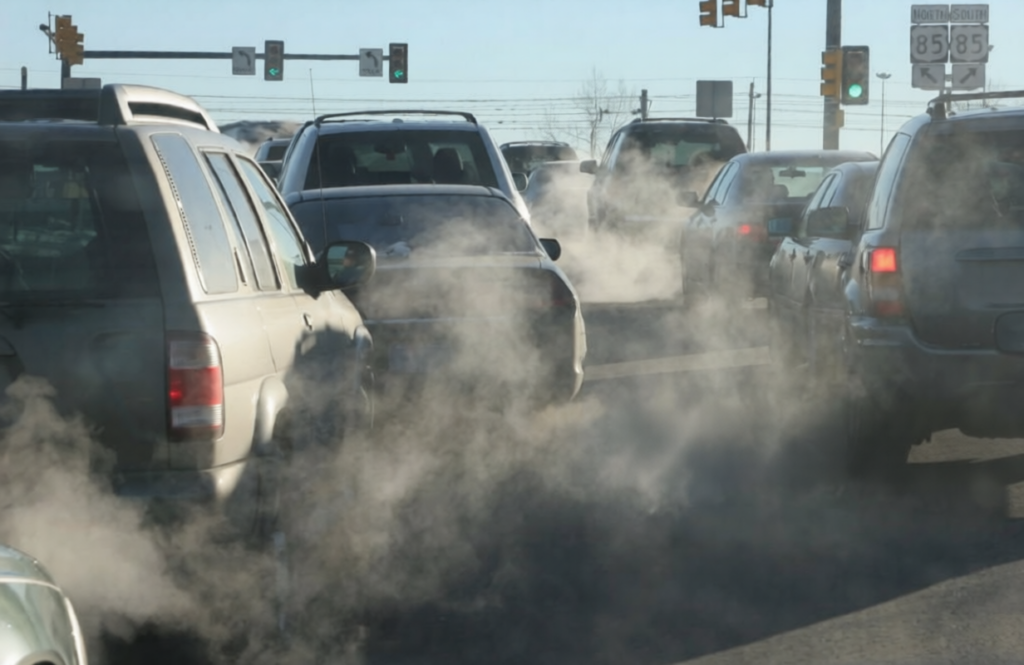
Every convenient choice leaves a footprint—often hidden from view.
Consider a simple takeaway meal:
- Plastic containers
- Disposable cutlery
- Packaging layers
- Transportation emissions
All used for minutes… but lasting in the environment for years.
This is the hidden cost—short-term comfort, long-term consequence.
At CleanCyclers, we emphasize that waste is not always visible at the point of consumption—but it always exists somewhere in the system.
Convenience vs. Responsibility
The real issue is not convenience itself—it is unquestioned convenience.
We rarely stop to ask:
- Do I need this level of packaging?
- Is there a reusable alternative?
- What happens to this item after use?
Through SustainabilityUnscripted, we explore how modern lifestyles have reduced friction—but also reduced awareness.
Because when consumption becomes effortless, responsibility often disappears.
The Environmental Impact at Scale
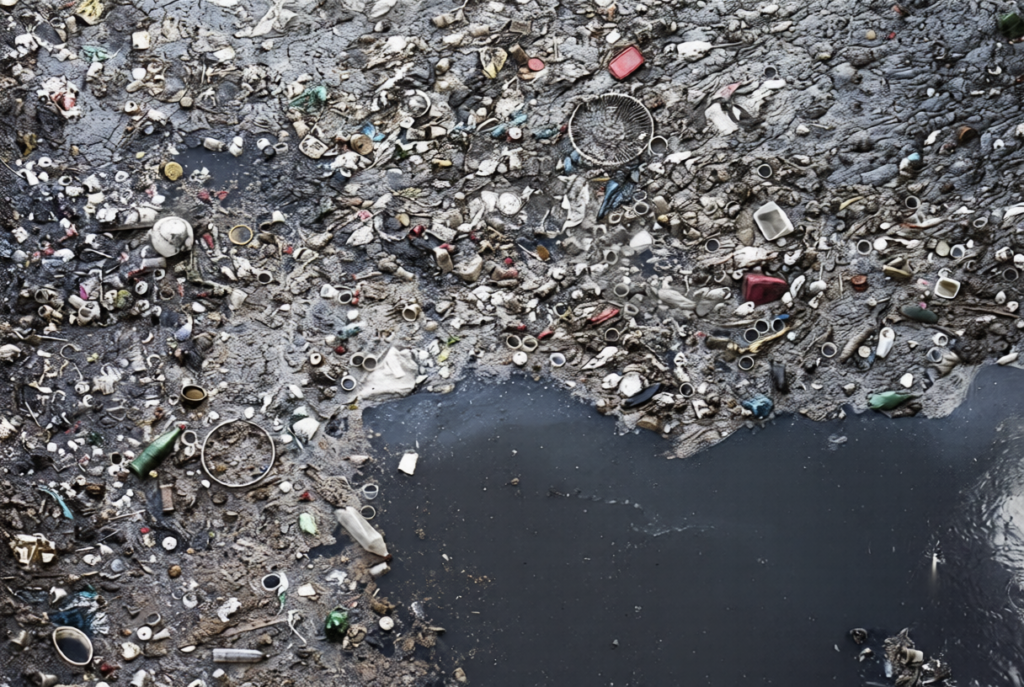
Individually, convenience seems harmless.
Collectively, it is overwhelming.
- Increased plastic pollution
- Overburdened waste management systems
- Higher carbon emissions from production and logistics
- Resource depletion driven by constant demand
This is the reality CleanCyclers works to address—not just by managing waste, but by challenging the behaviors that create it.
Reintroducing Conscious Friction
Sustainability requires something modern systems have tried to eliminate—intentional effort.
Not difficulty, but awareness.
Simple shifts can begin to rebalance convenience with responsibility:
1. Pause Before Consumption
Ask: Do I need this, or is it just easy to get?
This single question introduces awareness into automatic behavior.
2. Choose Reusable Over Disposable
From shopping bags to food containers, small substitutions reduce long-term waste significantly.
3. Support Systems That Reduce Waste
Local markets, refill stations, and sustainable brands often require slightly more effort—but deliver significantly less environmental impact.
4. Accept Inconvenience as a Form of Responsibility
Not every sustainable choice will be the easiest.
But it will be the most impactful.
“A sustainable life is not always the most convenient—but it is always the most responsible.” — CanonOtto
The Behavioral Reset
Convenience has shaped our habits. Now, we must reshape them consciously.
Through SustainabilityUnscripted, we continue to emphasize that sustainability is not about eliminating comfort—it is about redefining it.
True comfort should not come at the expense of environmental stability.
From Individual Choices to System Change
When individuals begin to question convenience:
- Demand shifts toward sustainable alternatives
- Businesses adapt to new consumer expectations
- Waste generation reduces at the source
- Circular systems become more viable
This is how change happens—not just through policy, but through collective behavior.
As convener of the Global Sustainability Summit, I have seen global conversations centered on innovation and investment. But one truth remains clear:
No system can outperform the habits of the people within it.
The CleanCyclers Perspective
At CleanCyclers, our mission goes beyond waste collection.
We are building awareness around:
- Responsible consumption
- Waste reduction at source
- Circular thinking in everyday life
Because the future of sustainability will not be determined only by how we manage waste—but by how we prevent it.
And that prevention begins with questioning convenience.
A Final Reflection
Convenience has made life easier.
But it has also made waste invisible.
The challenge before us is not to reject convenience—but to redefine it responsibly.
Because the choices we make in moments of ease are shaping outcomes we will all have to face.
So the next time something feels too easy, ask yourself:
What is the hidden cost?
Because in that question lies the beginning of sustainable living.