

By Amb. Canon Otto
For many people, waste leaves the home with little further thought.
A bag is filled.
A bin is emptied.
Collection happens.
And the cycle repeats.
But what if one of the greatest missed opportunities in sustainability is hidden inside our everyday household waste?
At CleanCyclers, we believe the future of sustainability begins much closer to home than many people imagine.
Because before waste becomes a city issue…
it begins as a household decision.
Through SustainabilityUnscripted, we continue to challenge one of the most limiting assumptions in environmental thinking:
Waste is not always a disposal problem. Sometimes it is unrealized value.
The Household: The First Stage of the Circular Economy
When conversations about sustainability happen, attention often turns toward governments, industries, and large infrastructure systems.
But every circular economy begins somewhere smaller.
It begins in homes.
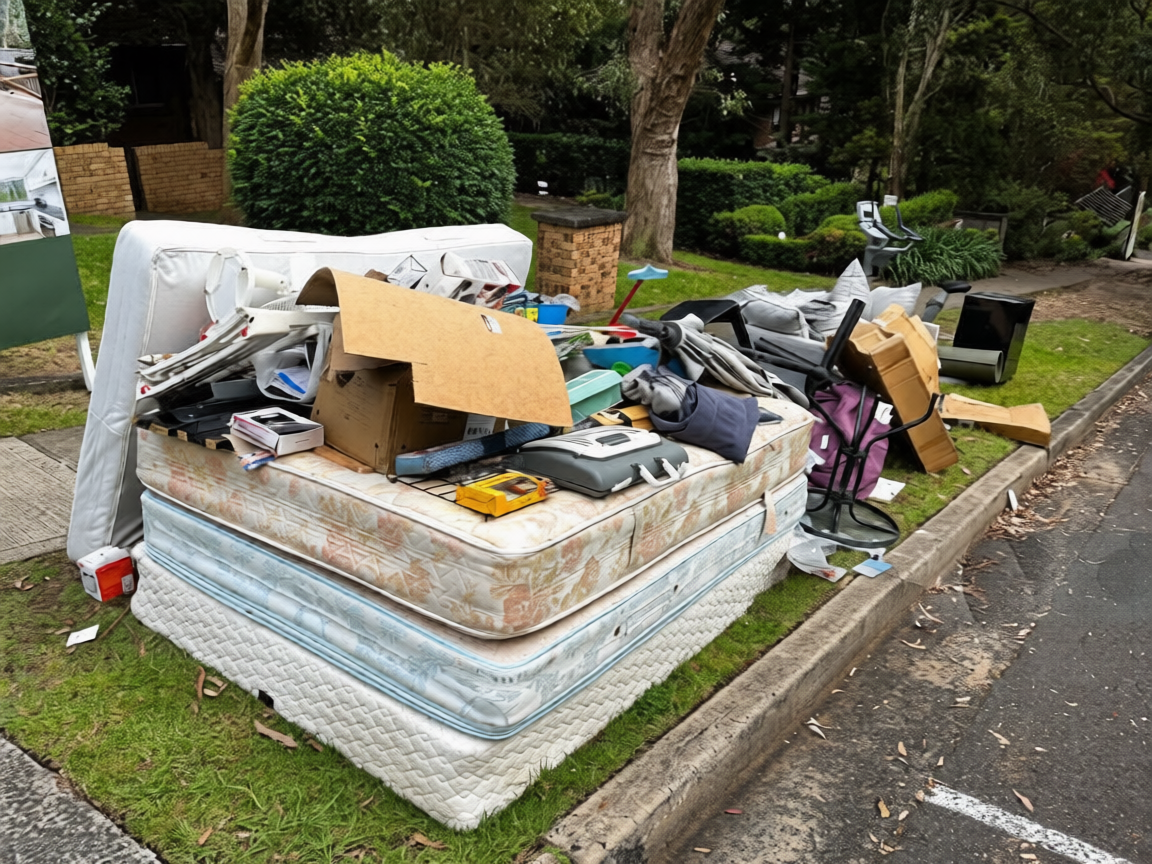
Every day, households generate:
- Food scraps
- Packaging materials
- Plastic containers
- Glass items
- Textiles
- Paper waste
- Household goods reaching the end of first use
Most of these materials are viewed as useless.
But value is often lost not because materials have no use—
but because systems for extending value are missing.
“Waste is often value waiting for a different perspective.” — CanonOtto
Rethinking What We Call Waste
One of the biggest barriers to sustainable living is perception.
The moment an item is labeled “waste,” people mentally disconnect from its potential.
But circular thinking asks a different question:
What else can this become?
That question changes behavior.
A glass container becomes storage.
Organic waste becomes compost.
Unused clothing becomes repurposed material.
Packaging becomes reusable household utility.
This is where creativity becomes transformative.
At CleanCyclers, we believe sustainability is not simply about throwing away less.
It is about seeing possibility more clearly.
Household Waste Carries Economic Potential
There is a common misconception that sustainability always requires sacrifice.
But many household waste solutions create value.
Examples include:
- Reducing replacement purchases through reuse
- Lowering household spending through repair
- Creating household compost for gardening
- Recovering recyclable materials
- Extending product lifecycles
- Reducing unnecessary consumption
Small decisions repeated consistently become meaningful economic outcomes.
Through SustainabilityUnscripted, we emphasize that circular living often improves both environmental and household resilience.
Creativity Is the Missing Link
Technology matters.
Infrastructure matters.
But creativity often determines whether waste becomes burden or opportunity.
Creative households begin asking:
- Can this be repaired?
- Can this serve another purpose?
- Can this be separated for recovery?
- Can consumption patterns change?
This mindset shifts the conversation from disposal to design.
Children raised in these environments begin seeing value differently.
Families begin consuming more intentionally.
Households become active participants in sustainability.
“Creativity does not only create products. It creates possibilities.” — CanonOtto
Food Waste: One of the Biggest Household Opportunities
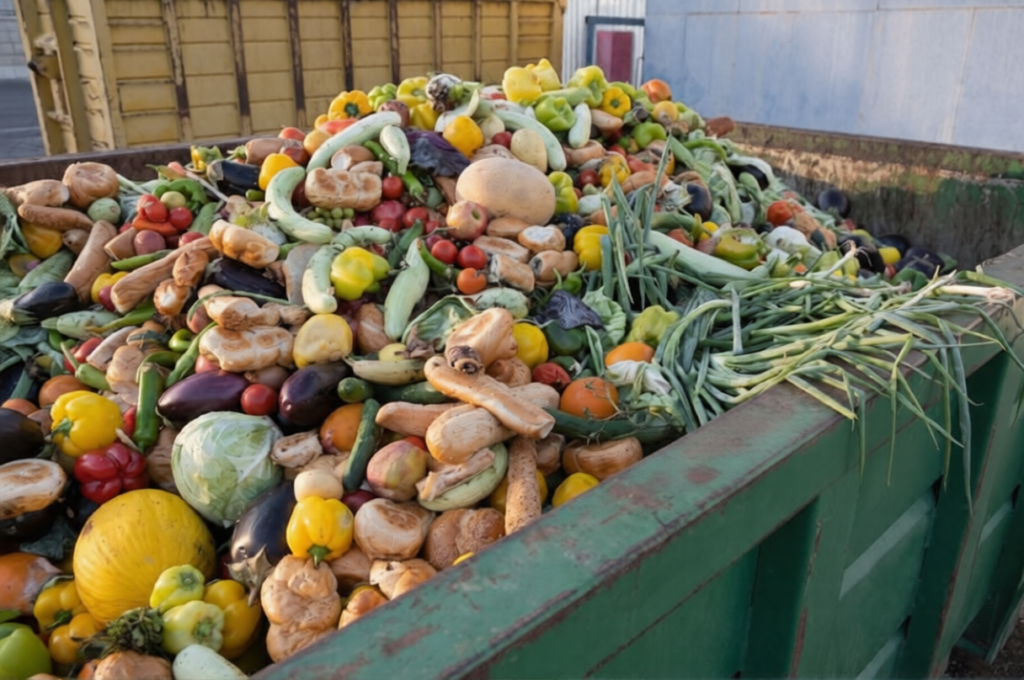
Food waste remains one of the most overlooked household challenges.
Small changes create meaningful results:
- Planning purchases more intentionally
- Storing food properly
- Repurposing leftovers
- Managing portions carefully
- Composting organic material where practical
When food is respected, waste decreases naturally.
At CleanCyclers, we believe resource awareness begins at the table.
Repair Culture Must Return to Homes
Modern convenience often encourages replacement.
But repair culture creates value.
Repair extends:
- Product life
- Household savings
- Resource efficiency
- Emotional connection to ownership
Many previous generations understood this instinctively.
Items were maintained.
Adjusted.
Repurposed.
Today, restoring repair culture may become one of the most practical sustainability actions households can adopt.
Waste Separation Creates New Possibilities
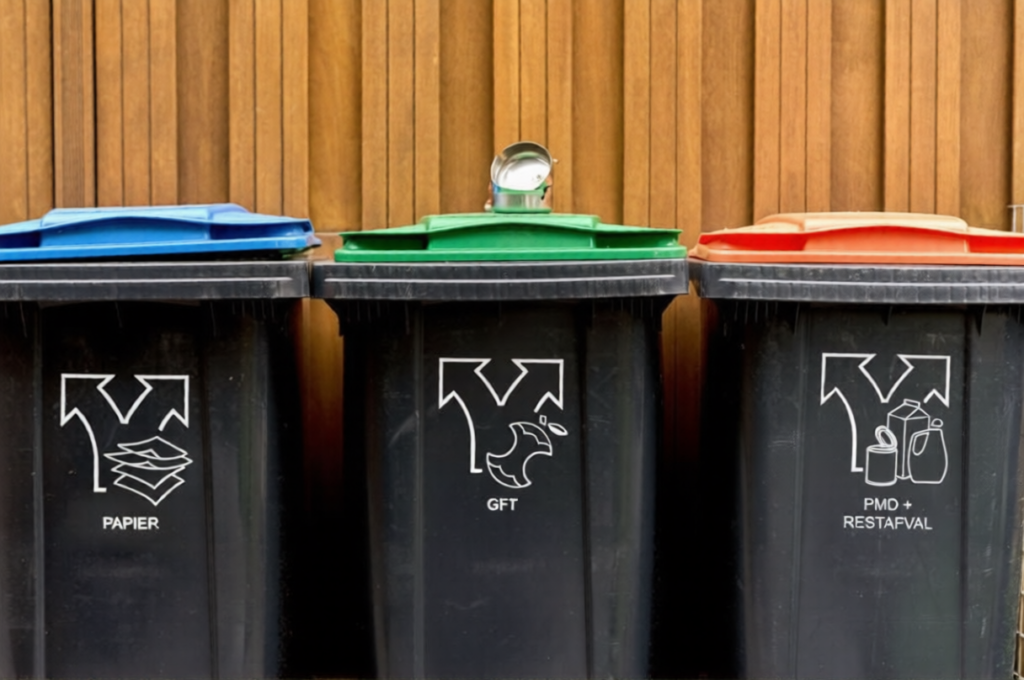
Household value recovery begins with visibility.
When everything enters one waste stream, value disappears.
Simple separation helps households recognize:
- Organic materials
- Recyclables
- Reusable items
- Residual waste
This creates awareness and supports more circular decisions.
Through SustainabilityUnscripted, we continue emphasizing that sustainable households are not necessarily those producing zero waste—
but those understanding their waste more intentionally.
Teaching Children to See Value Differently
Perhaps one of the most powerful household sustainability opportunities involves education.
Children who learn:
- Resource awareness
- Creative reuse
- Repair thinking
- Responsible consumption
often carry these habits into adulthood.
This creates long-term cultural impact.
At CleanCyclers, we believe every household can become an environmental classroom.
Circular Homes Create Circular Communities
When enough households shift behavior, broader systems begin changing.
Communities become:
- Cleaner
- More resource efficient
- More economically resilient
- More environmentally conscious
This is how environmental transformation scales.
Not only from institutions—
but from everyday decisions repeated across homes.
“The Circular Economy does not begin in factories. It begins in ordinary homes making extraordinary decisions.” — CanonOtto
The CleanCyclers Perspective
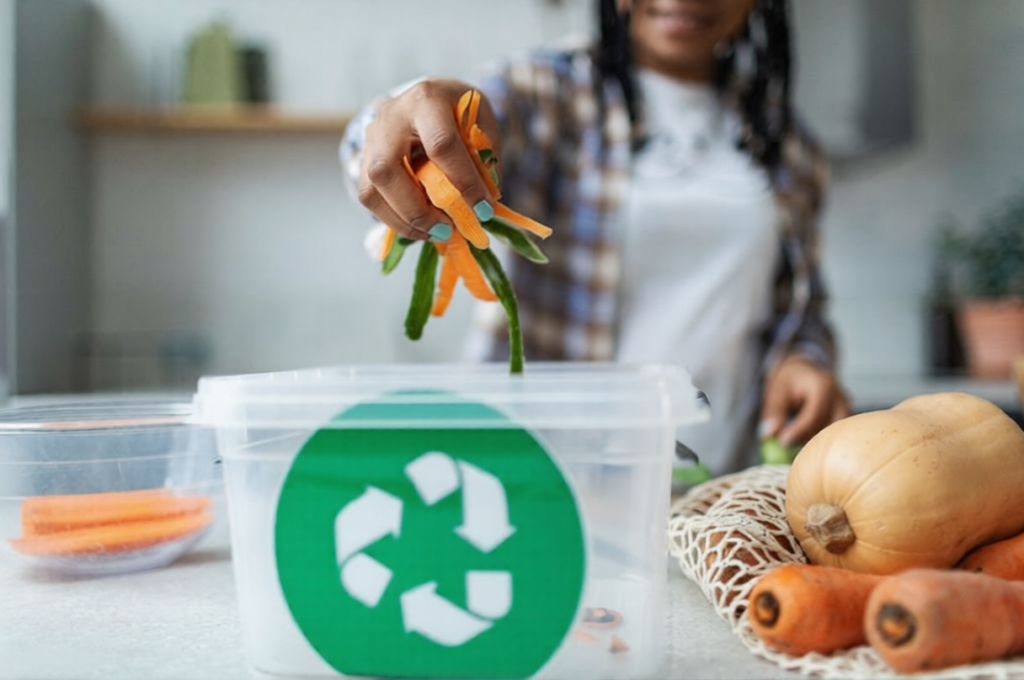
At CleanCyclers, we believe households are one of the greatest untapped opportunities in sustainability.
That is why we advocate for:
- Household circular practices
- Waste-to-value thinking
- Environmental education
- Resource efficiency
- Everyday sustainability culture
Through SustainabilityUnscripted, our mission is to make sustainability practical, accessible, and actionable.
Because meaningful environmental change does not begin when waste reaches the landfill.
It begins at home.
A Final Reflection
Perhaps the question is not:
How much waste does a household produce?
Perhaps the better question is:
How much value leaves the household unnoticed?
Every container.
Every leftover.
Every discarded item.
Every repair opportunity.
Every resource.
Contains possibility.
At CleanCyclers, we believe the future of sustainability will belong to households that stop seeing waste as the end—
and start seeing it as the beginning of something new.
Because value does not always arrive in new forms.
Sometimes—
it is rediscovered in what was almost thrown away.
— Amb. Canon Otto
Convener, Global Sustainability Summit
Founder, CleanCyclers
Voice at SustainabilityUnscripted
CanonOtto