

By Amb. Canon Otto
For many people, recycling is viewed as an environmental obligation.
It is something we do to reduce pollution, keep our communities clean, and protect nature.
While all of this is true, I believe we are overlooking one of recycling’s greatest contributions.
Recycling is not merely an environmental activity—it is an economic opportunity waiting to be fully realized.
At CleanCyclers, we believe the conversation around recycling must evolve. We must stop seeing it solely as a waste management solution and begin recognizing it as a catalyst for economic growth, innovation, entrepreneurship, and job creation.
Through SustainabilityUnscripted, we continue to advocate for a new perspective—one where every discarded material is viewed not as the end of its journey, but as the beginning of a new economic cycle.
Waste Is Not Wealth Lost—It Is Wealth Waiting
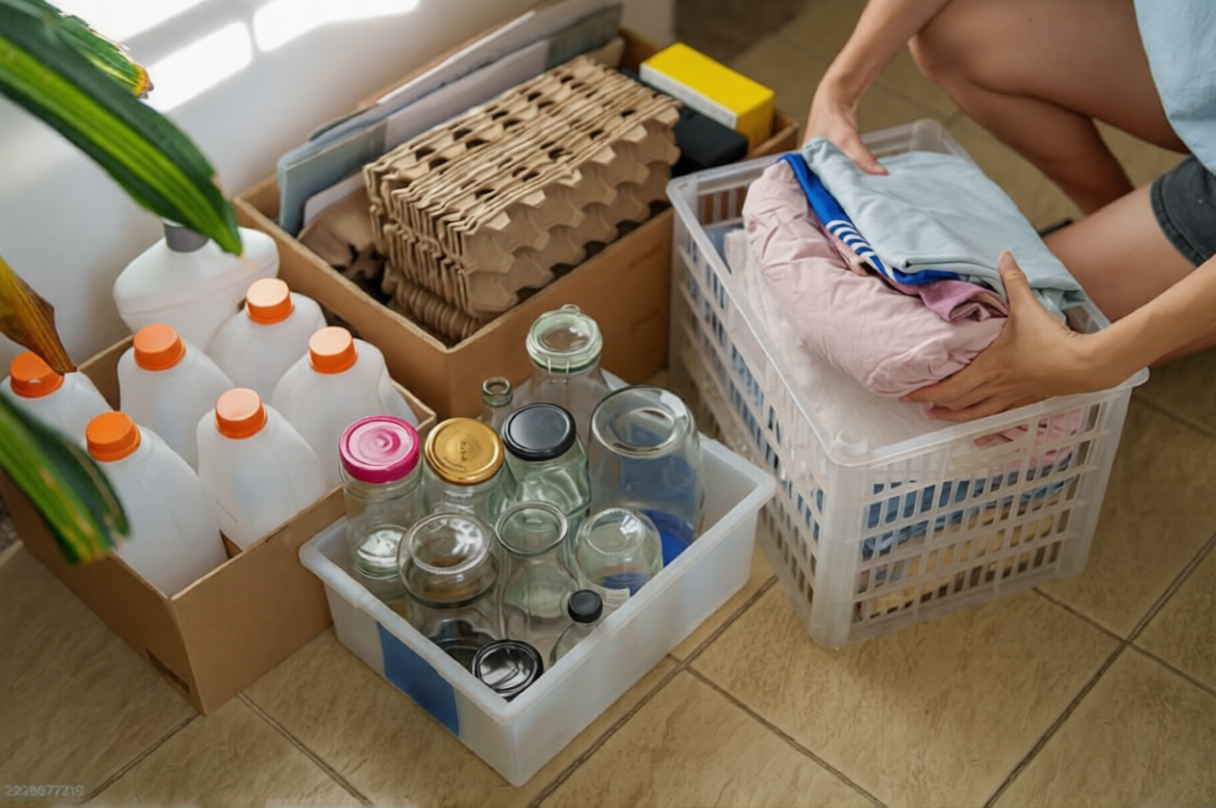
Every day, millions of tonnes of recyclable materials are discarded around the world.
Plastic bottles.
Aluminium cans.
Glass containers.
Paper products.
Electronic waste.
Textiles.
Most of these materials still possess value.
Yet because they are discarded instead of recovered, that value is lost.
This represents one of the greatest inefficiencies in modern economies.
“The greatest waste is not the material itself—it is the opportunity we fail to recognize within it.” — Canon Otto
At CleanCyclers, we see recyclable materials not as rubbish, but as resources waiting to re-enter the economy.
Recycling Creates More Than Cleaner Communities
Too often, recycling is discussed only in environmental terms.
Cleaner streets.
Reduced landfill pressure.
Lower pollution.
These outcomes matter.
But recycling also stimulates economic activity at every stage of the value chain.
It creates opportunities in:
- Collection and logistics
- Material sorting and processing
- Manufacturing using recycled materials
- Product design and innovation
- Research and development
- Green entrepreneurship
- Circular supply chains
Every recycled material has the potential to support livelihoods while reducing pressure on natural resources.
The Circular Economy Is an Economic Model
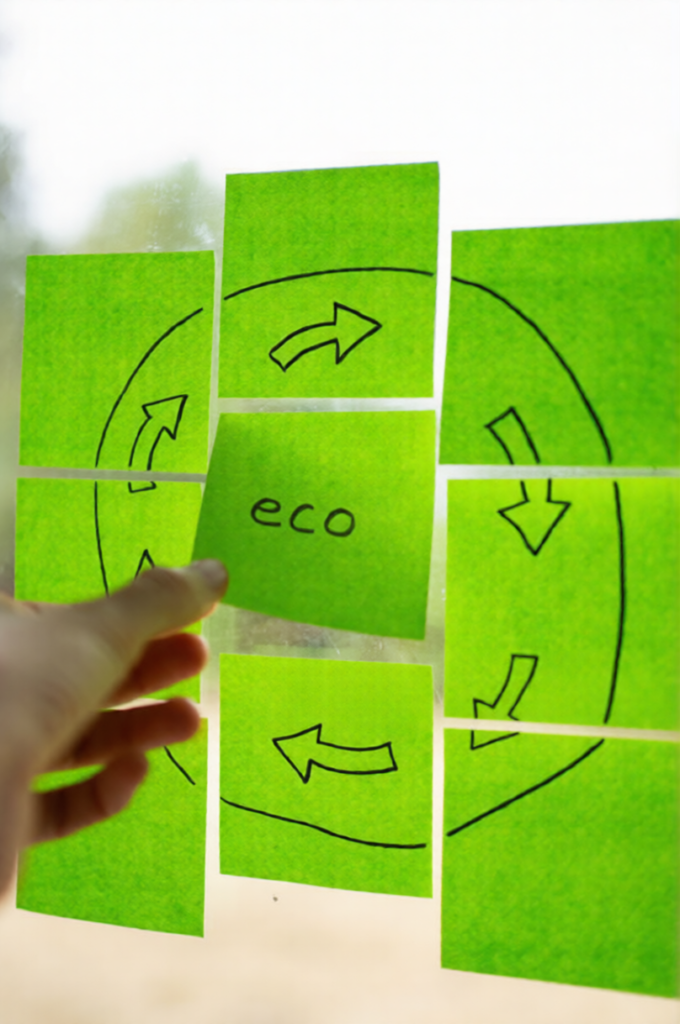
At CleanCyclers, we frequently discuss the Circular Economy because it changes how we think about value.
In a traditional linear economy, the process is simple:
Take.
Make.
Dispose.
In a circular economy, resources remain in circulation for as long as possible through:
- Reuse
- Repair
- Recycling
- Refurbishment
- Remanufacturing
This is not merely environmental stewardship.
It is smarter economics.
Instead of continuously extracting new raw materials, we maximize the value of materials already in circulation.
Through SustainabilityUnscripted, we continue encouraging businesses and policymakers to see recycling as an investment rather than an expense.
Recycling Can Become a Major Employer
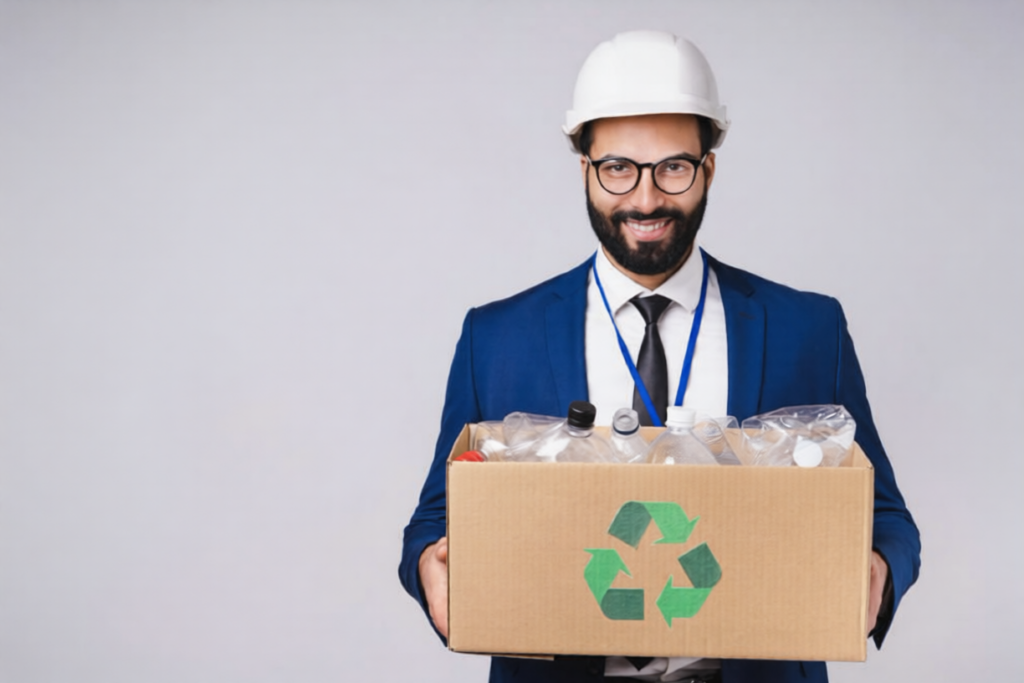
Across the world, recycling industries are creating employment opportunities.
They support:
- Waste collectors
- Material recovery specialists
- Recycling facility operators
- Engineers
- Product designers
- Environmental consultants
- Logistics providers
- Green technology innovators
In many developing economies, recycling also supports thousands of informal workers whose contributions often go unrecognized.
Imagine what could happen if these activities were strengthened through better infrastructure, formal investment, and supportive policies.
At CleanCyclers, we believe recycling has the potential to become one of the largest green employment sectors of the future.
“Every recycled item carries not only environmental value, but economic potential.” — Canon Otto
Africa’s Recycling Opportunity
Africa is experiencing rapid urbanization and increasing consumption.
These trends inevitably generate more waste.
But they also create opportunity.
Rather than viewing waste as an unavoidable consequence of growth, Africa can position itself as a leader in resource recovery and circular manufacturing.
The continent possesses:
- A young and innovative population
- Growing entrepreneurial ecosystems
- Expanding urban markets
- Increasing demand for sustainable solutions
These advantages create fertile ground for recycling-driven economic development.
At CleanCyclers, we believe Africa has the opportunity to leapfrog outdated linear systems and build industries centered on resource efficiency and circular innovation.
Innovation Begins Where Others See Waste
Some of today’s most successful green enterprises began with a simple question:
What can we create from what others discard?
Across the world, entrepreneurs are transforming:
- Plastic waste into construction materials
- Used tyres into furniture and playground surfaces
- Textile waste into fashion products
- Agricultural waste into renewable energy
- Glass into decorative and construction materials
These innovations demonstrate that creativity is often the missing ingredient in waste management.
Through SustainabilityUnscripted, we consistently highlight stories of individuals and businesses proving that recycling is not simply about recovery—it is about reinvention.
Investment Must Follow Opportunity
Despite its enormous potential, recycling remains underfunded in many regions.
Investment is needed in:
- Collection infrastructure
- Processing technology
- Public education
- Research and innovation
- Circular manufacturing
- Skills development
Governments, financial institutions, and private investors all have a role to play.
Supporting recycling is not simply supporting environmental protection.
It is supporting economic resilience.
Every Household Has a Role
The economic power of recycling does not begin in factories.
It begins in homes.
Simple actions such as:
- Separating recyclable materials
- Reducing contamination
- Supporting recycled products
- Choosing reusable alternatives
strengthen the entire recycling ecosystem.
At CleanCyclers, we believe every household contributes to building a circular economy through everyday choices.
The CleanCyclers Perspective
Our mission at CleanCyclers extends beyond collecting waste.
We are committed to changing how society thinks about resources.
Through education, advocacy, partnerships, and innovation, we seek to demonstrate that recycling is one of the most practical pathways toward sustainable economic development.
Through SustainabilityUnscripted, we continue sharing ideas that challenge conventional thinking and encourage communities, businesses, and governments to recognize the true value hidden within discarded materials.
A Final Reflection
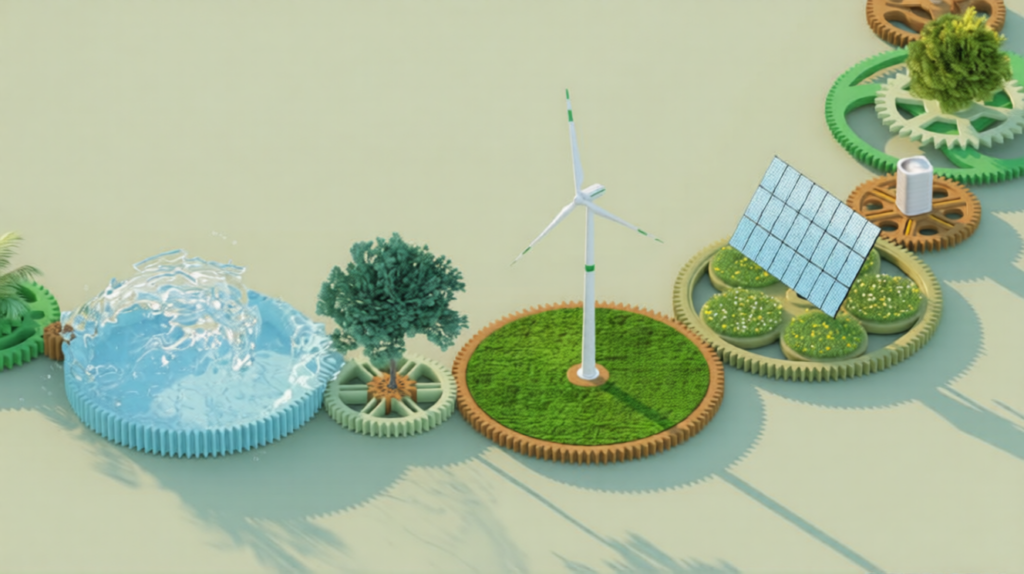
Imagine an economy where nothing valuable is casually discarded.
Where waste becomes raw material.
Where creativity becomes industry.
Where environmental responsibility generates employment.
Where recycling fuels innovation instead of filling landfills.
That future is not beyond our reach.
But it requires a shift in mindset.
We must stop asking:
“How do we dispose of waste?”
And begin asking:
“How do we unlock the economic value already hidden within it?”
At CleanCyclers, we believe the future belongs to societies that understand one simple truth:
The Circular Economy is not built on waste.
It is built on recognizing value where others see none.
Because recycling is not simply about protecting the planet.
It is about building prosperous communities, resilient economies, and a future where sustainability and opportunity grow together.