

By Amb. Canon Otto
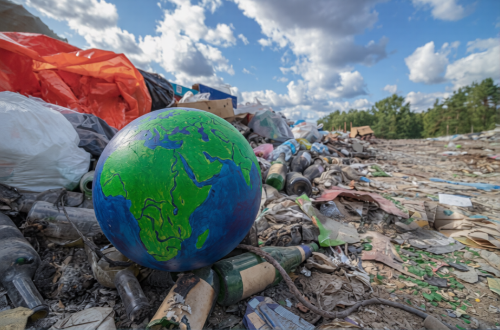
If we truly want a sustainable future, we must stop asking only how to change systems—and start asking how to shape people.
Because sustainability is not sustained by infrastructure alone.
It is sustained by mindset, behavior, and culture.
And few places shape culture more powerfully than schools.
At CleanCyclers, we believe schools are not just centers of academic learning. They are environments where values are formed, habits are repeated, and future citizens learn how to interact with the world around them.
Through SustainabilityUnscripted, we continue to advocate for a critical shift in thinking:
Sustainability education should not begin in adulthood. It should begin in childhood.
Why Schools Matter in Sustainability
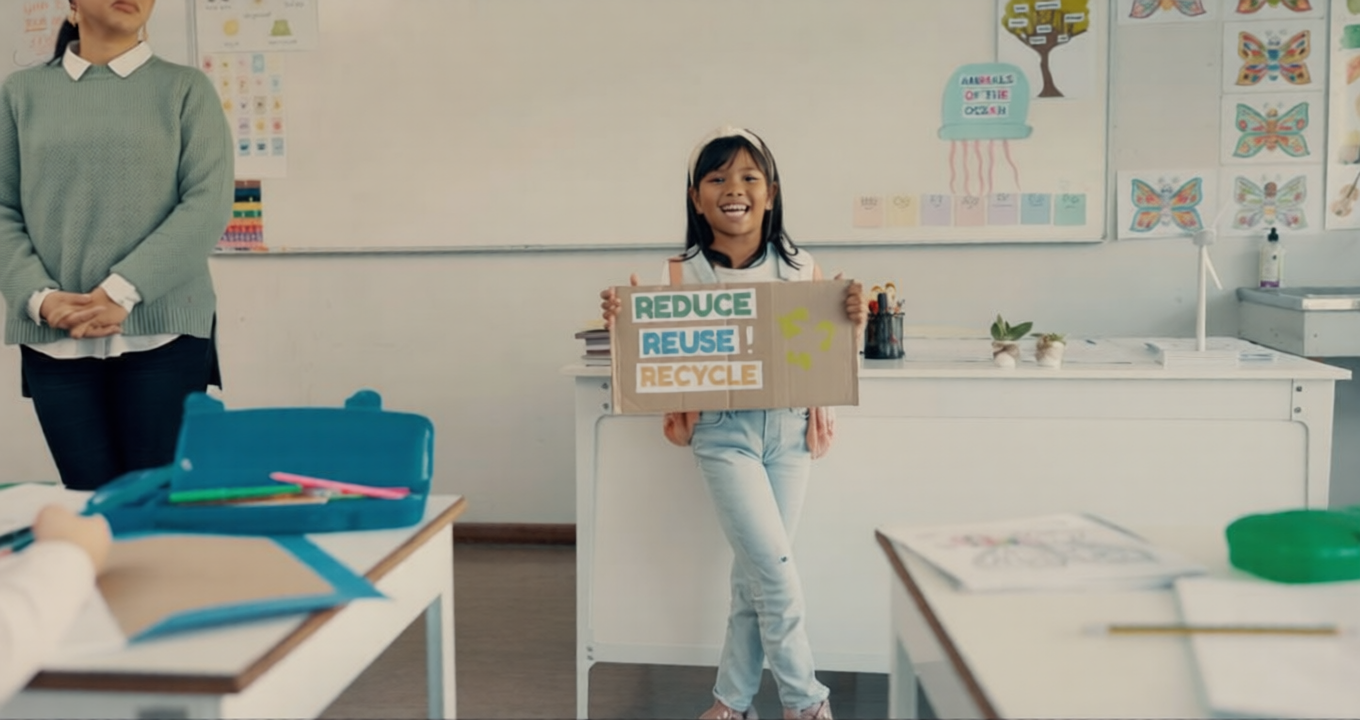
Children spend some of the most formative years of their lives in educational environments.
What they repeatedly experience in schools often becomes normalized behavior.
Schools teach more than subjects.
They teach:
- Responsibility
- Discipline
- Cooperation
- Habit formation
- Social behavior
This makes them one of the most powerful platforms for environmental transformation.
“If sustainability becomes part of education early, responsibility becomes part of culture later.” — CanonOtto
Sustainability Is Learned Through Practice, Not Theory Alone
Many institutions approach environmental education only through information.
Students are taught:
- Climate change facts
- Environmental terminology
- Recycling concepts
These are important.
But awareness alone is not enough.
Real sustainability education happens when students practice environmental responsibility consistently.
For example:
- Separating waste within classrooms
- Reducing unnecessary paper use
- Participating in recycling programs
- Conserving water and electricity
- Maintaining clean school environments
At CleanCyclers, we believe sustainability becomes effective when it moves from abstract discussion to visible daily action.
Schools Shape Lifelong Habits
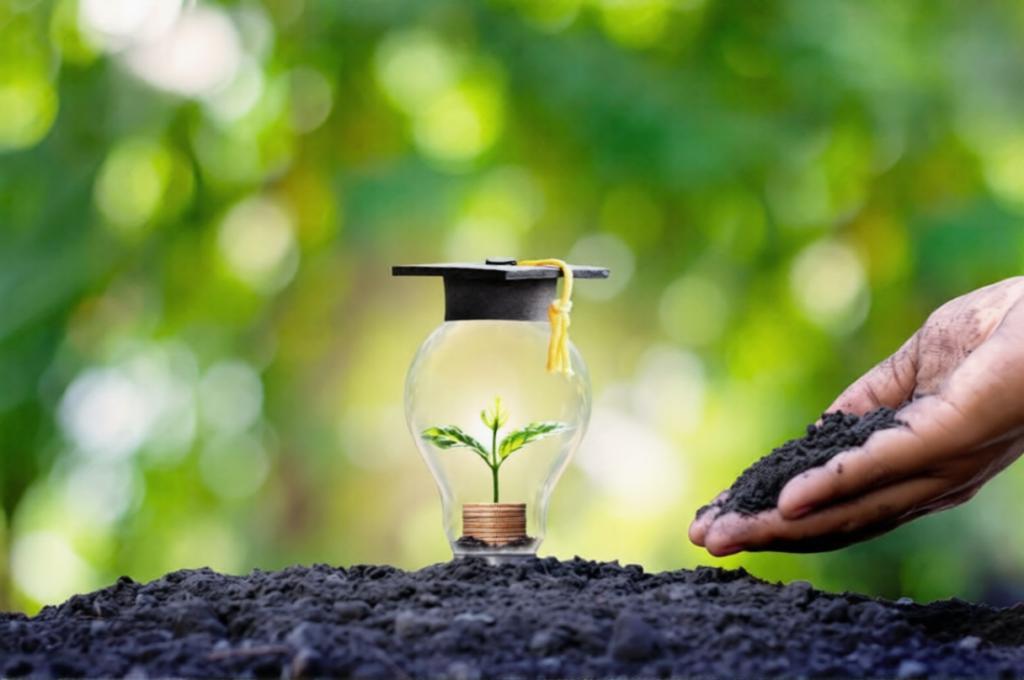
The habits children develop early often continue into adulthood.
A child who grows up:
- Respecting shared spaces
- Avoiding littering
- Understanding waste separation
- Valuing resource efficiency
is more likely to become an environmentally responsible adult.
This is why schools are so important.
They are not only educating students for exams.
They are shaping future citizens.
Through SustainabilityUnscripted, we consistently emphasize that sustainability is not merely an environmental issue—it is a behavioral one.
The Power of School Culture
School environments influence behavior through repetition and social reinforcement.
When sustainability becomes part of school culture:
- Students normalize environmental responsibility
- Peer influence strengthens participation
- Sustainable behavior feels expected rather than optional
This creates long-term behavioral impact.
At CleanCyclers, we often say:
Culture is what people continue doing even when no one is reminding them.
“The most powerful sustainability lesson is not taught once. It is practiced daily.” — CanonOtto
Schools as Miniature Sustainable Communities
A school functions like a small society.
It has:
- Shared spaces
- Resource systems
- Waste generation
- Leadership structures
- Community participation
This makes schools ideal environments for teaching real-world sustainability systems.
Students can learn practically through:
- Waste management initiatives
- School gardens
- Circular economy projects
- Environmental clubs
- Clean-up campaigns
- Upcycling and reuse activities
These experiences make sustainability tangible.
Environmental Education Builds Character
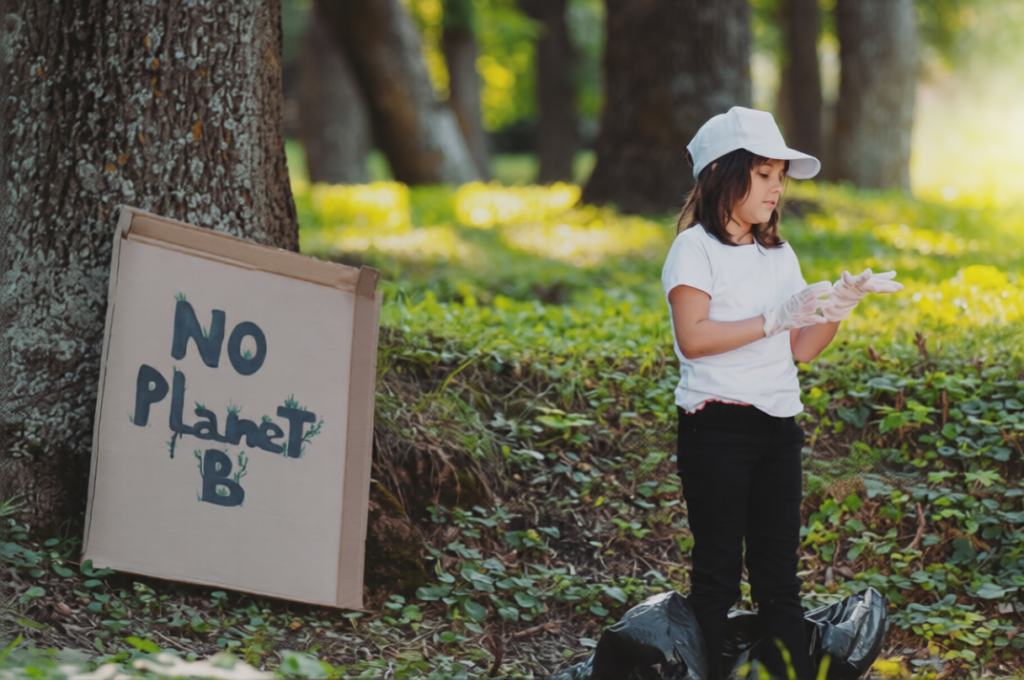
One of the most overlooked aspects of sustainability education is character development.
Environmental responsibility teaches:
- Accountability
- Stewardship
- Long-term thinking
- Shared responsibility
- Respect for collective systems
At CleanCyclers, we see sustainability as deeply connected to leadership development.
Because a student who learns to care for their environment is also learning:
- Discipline
- Civic responsibility
- Conscious decision-making
Teachers as Environmental Influencers
Teachers play a critical role in shaping environmental mindset.
Students observe not only what educators say—but what they model.
A teacher who practices:
- Responsible waste disposal
- Conscious resource use
- Respect for public spaces
reinforces sustainability more effectively than theory alone.
Through SustainabilityUnscripted, we emphasize that environmental leadership begins with visible example.
Sustainability Should Be Embedded, Not Isolated
Sustainability should not exist only as a special event or occasional campaign.
It should be integrated into everyday school operations.
This includes:
- Classroom practices
- Procurement decisions
- Waste systems
- School events
- Student leadership activities
When sustainability becomes embedded rather than occasional, its impact deepens significantly.
Preparing Future Climate Leaders
The climate challenges of the future will require:
- Innovative thinking
- Resource consciousness
- Systems understanding
- Responsible leadership
Schools are where these capabilities begin to form.
At CleanCyclers, we believe today’s students are not merely future participants in sustainability conversations.
They are future decision-makers.
Future entrepreneurs.
Future policymakers.
Future community leaders.
The mindset they develop now will shape the systems they build later.
The Cost of Ignoring Environmental Education
If sustainability is absent from educational culture, societies risk producing generations disconnected from environmental consequence.
This leads to:
- Careless consumption
- Weak waste management behavior
- Limited ecological awareness
- Poor civic responsibility toward shared spaces
In many ways, environmental crises are not only infrastructure failures.
They are educational failures.
The CleanCyclers Perspective
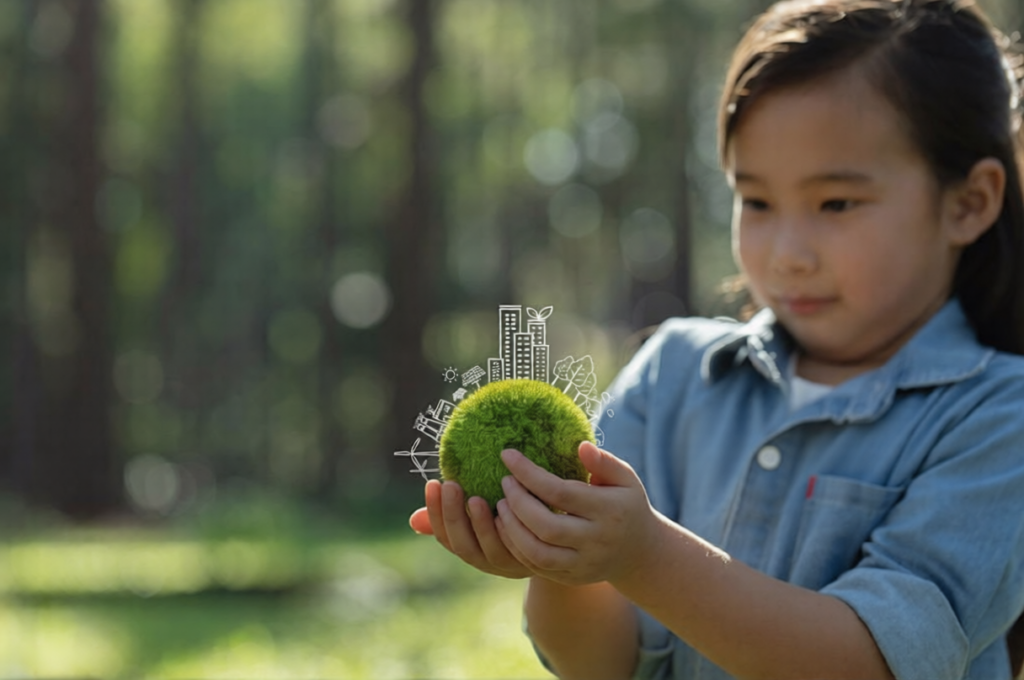
At CleanCyclers, we strongly believe schools must become active sustainability ecosystems—not passive learning spaces.
That is why we advocate for:
- Practical environmental education
- Circular economy awareness in schools
- Waste management participation programs
- Youth environmental leadership development
- Everyday sustainability culture
Through SustainabilityUnscripted, we continue building conversations that position education at the center of climate action.
Because sustainable societies are not built suddenly.
They are educated gradually.
A Final Reflection
If we want cleaner cities tomorrow, we must shape cleaner habits today.
If we want responsible leadership tomorrow, we must teach responsibility early.
And if we want sustainability to become culture, we must introduce it where culture first begins to form:
In schools.
The classroom is not separate from the future.
It is where the future is prepared.
At CleanCyclers, we believe one of the greatest climate investments any society can make is simple:
Teach children how to live responsibly before unsustainable habits become normalized.
Because sustainability is not only about protecting the next generation.
It is about preparing them.